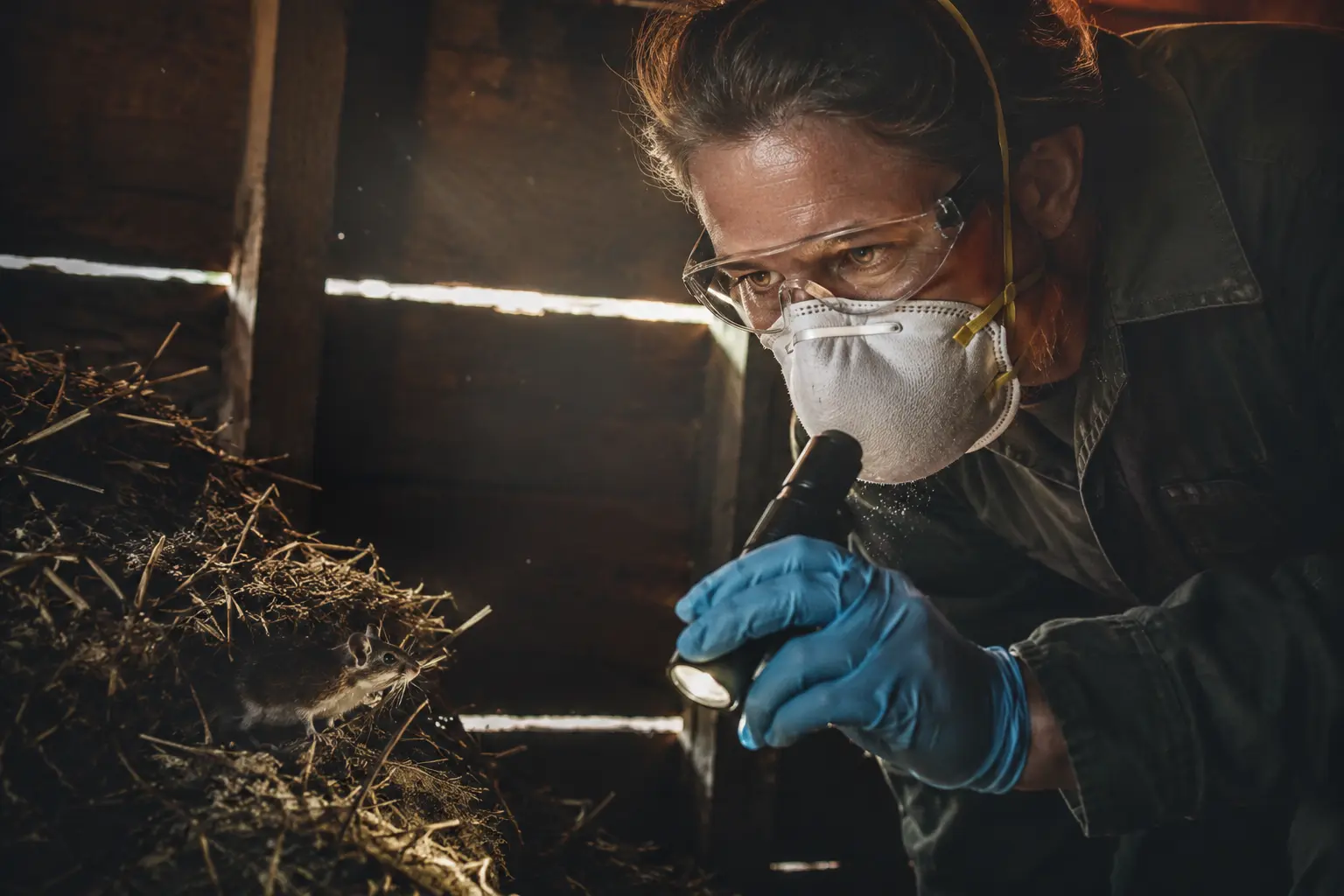
You’re cleaning out a storage closet or garage and suddenly notice droppings in the corner, and now you’re worried sick about what that means for your health, but hantavirus explained simply means understanding exactly what you’re actually dealing with and what to do about it right now.
Recognizing hantavirus symptoms
Hantavirus symptoms start quietly, which is what makes them tricky to catch early. You might wake up feeling like you have the flu: your muscles ache, you’re exhausted, and you have a fever that won’t quit. These first few days feel generic enough that you might brush them off as a regular cold. But here’s where it gets serious. After about a week, some people develop shortness of breath, chest tightness, or a persistent cough. This is when hantavirus moves into its dangerous phase. If you’ve had any contact with rodents, their droppings, or contaminated areas in the past few weeks, and you’re experiencing these symptoms, don’t wait it out. The progression from mild flu-like symptoms to severe respiratory distress can happen quickly, sometimes within days. Women often delay seeking care because they attribute symptoms to stress or fatigue, but early medical intervention genuinely changes outcomes.
- Fatigue and muscle aches are common early signs that appear within one to five days of exposure
- Fever typically accompanies initial symptoms and can reach 101 to 104 degrees Fahrenheit
- Symptoms can progress to severe breathing difficulties, requiring immediate emergency care
Taking preventive measures
Prevention is your strongest defense, and it’s entirely within your control. Start by examining your living spaces with fresh eyes. Look under sinks, in closets, the garage, and basement corners where rodents like to hide and leave droppings. Seal any gaps larger than a quarter inch around pipes, vents, and foundation cracks using steel wool and caulk. Rodents can squeeze through surprisingly small spaces, so be thorough. Keep your kitchen clean by storing food in airtight containers and wiping down counters daily. Don’t leave pet food out overnight. Remove clutter where rodents might nest, including stacks of papers, cardboard boxes, or old clothing. If you live in a rural area or near fields, this becomes even more critical. Set traps in areas where you’ve seen droppings, but wear gloves and a mask when handling them. Many women find that creating a simple monthly checklist helps them stay consistent with these habits without feeling overwhelmed by the task.
📘 Fix your day in under 2 minuteschoose where to begin:
Understanding hantavirus transmission
Hantavirus lives in the droppings, urine, and saliva of infected rodents, particularly deer mice, but also cotton rats and rice rats depending on your region. You don’t catch it from touching a rodent directly. Instead, you inhale virus particles when you disturb contaminated dust or material. Picture this scenario: you’re cleaning out a shed and sweep up what looks like old dirt and debris without a mask. Those particles become airborne, you breathe them in, and infection begins. This is why proper technique matters so much. When cleaning areas with suspected rodent activity, spray the area first with a bleach solution (one part bleach to ten parts water) to kill the virus before disturbing anything. Wear an N95 mask, gloves, and eye protection. Open windows for ventilation. Never use a vacuum or compressed air, as these spread particles further. The virus cannot spread from person to person, so you won’t catch it from someone else who has hantavirus, but you can catch it from the environment they’ve contaminated.
Preparing for potential exposure
If you believe you’ve been exposed to hantavirus, time is your ally. Seek medical attention immediately rather than waiting to see if symptoms develop. Call ahead and tell the healthcare provider about your potential exposure so they can prepare and take appropriate precautions. Bring specific details: when and where you were exposed, what you were doing, and whether you saw rodents or droppings. This information helps doctors make a faster diagnosis. Early supportive care, including oxygen therapy and careful monitoring, can prevent the infection from progressing to its most severe stages. Many women hesitate to go to the emergency room because they’re unsure if their symptoms warrant it, but with hantavirus, it’s better to err on the side of caution. Hospitals have protocols for suspected cases and can run tests to confirm or rule out infection. If you live with others, isolate yourself until hantavirus is ruled out, though transmission between people is extremely rare. Keep a list of symptoms to watch for and don’t dismiss them as stress or overreaction.
Maintaining safety practices
Safety isn’t a one-time effort but an ongoing habit that becomes second nature. Create a routine that includes regular inspection of your home’s exterior and interior for signs of rodent activity. Every few months, check those sealed gaps and caulking to ensure they’re still intact. Disinfect high-risk areas like garages, sheds, and basements quarterly using a bleach solution. Keep rodent traps set in these spaces year-round, especially during fall and winter when rodents seek shelter indoors. If you find droppings, clean them using the spray-and-wait method rather than dry sweeping. Educate family members and housemates about these practices so everyone understands the importance. Stay informed about hantavirus activity in your region, as cases cluster in certain areas and seasons. If you’re planning outdoor activities like camping or hiking, research whether hantavirus is present in that area. Wear gloves when handling firewood, gardening, or working in sheds. These practices protect not just you but everyone in your household.
Recognize hantavirus symptoms early by watching for flu-like signs that progress to breathing difficulties, take preventive measures at home by sealing gaps and maintaining cleanliness, understand transmission happens through inhaling contaminated dust not person-to-person contact, prepare for potential exposure by seeking immediate medical attention if you suspect contact, and maintain ongoing safety practices through regular inspection and disinfection to safeguard against this viral threat.
Can hantavirus be transmitted between humans?
No, hantavirus is not known to be transmitted from person to person. The primary mode of transmission is through contact with infected rodents or their excreta. You cannot catch hantavirus from someone who has the infection.
Is there a specific treatment for hantavirus infection?
There is no specific cure for hantavirus, but early detection and supportive care can improve outcomes significantly. Seeking medical help promptly is essential in case of suspected exposure. Treatment focuses on managing symptoms and supporting your body through the infection.
Others also read:
Disclaimer: This article is for informational purposes only and is not a substitute for professional medical advice. Always consult a healthcare professional for personal guidance.
This guide has been prepared and reviewed by the GlobalHealthBeacon editorial team and reflects current medical research as of 2026. It provides structured, evidence-based information to support informed health decisions.
