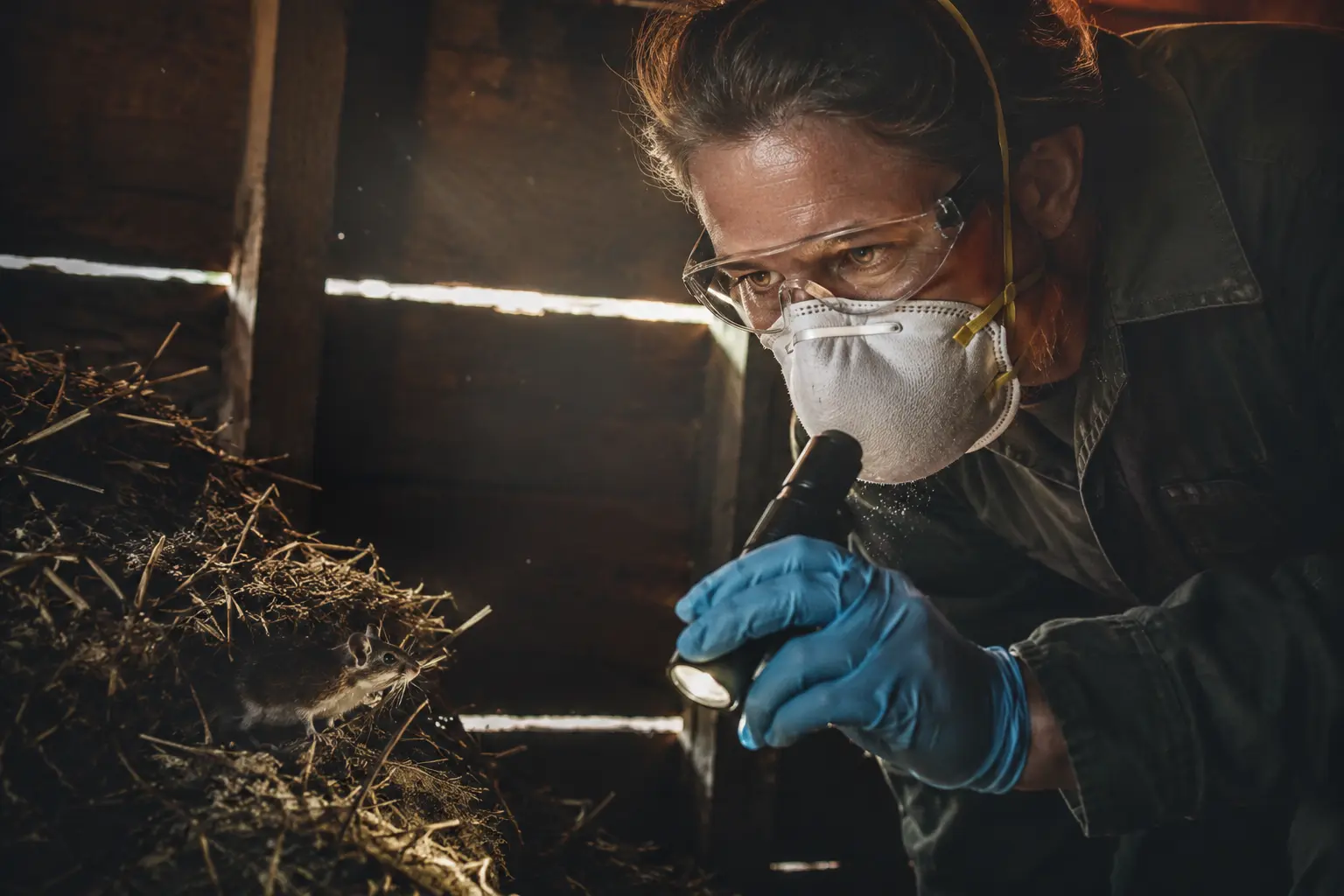
You’re cleaning out your garage or cabin and suddenly feel that creeping dread about rodent droppings, wondering if you’re actually at risk, and hantavirus explained simply means finally understanding what this virus really is, how it spreads, and whether you should actually be worried.
What is hantavirus?
Hantavirus belongs to a family of viruses that live in rodent populations worldwide, and understanding what it actually is helps separate real risk from unnecessary fear. The virus exists primarily in deer mice, cotton rats, and other rodent species, where it replicates without harming the animals themselves. When humans come into contact with infected rodent urine, droppings, or saliva, the virus can enter the body through inhalation or minor cuts in the skin. The virus causes two main disease patterns: Hantavirus Pulmonary Syndrome (HPS), which primarily affects the lungs and respiratory system, and Hemorrhagic Fever with Renal Syndrome (HFRS), which damages blood vessels and kidneys. Think of it this way: the virus is essentially a passenger in rodent populations, and humans become infected only through direct contact with contaminated materials. This is why understanding transmission routes is so critical for women who garden, maintain rural properties, or work in environments where rodents might be present.
Symptoms and transmission
Hantavirus infection typically begins with flu-like symptoms that can easily be mistaken for a common cold or seasonal illness, which is why awareness matters. Early signs include fever, muscle aches, fatigue, and headaches that develop one to five weeks after exposure. As the infection progresses, respiratory symptoms emerge: coughing, shortness of breath, and chest discomfort that can escalate rapidly. The virus spreads almost exclusively through contact with infected rodent materials, not through person-to-person contact, which is genuinely reassuring news. Transmission happens when you inhale dust particles containing the virus from dried droppings or urine, or when contaminated material contacts broken skin. A common mistake women make is assuming they can catch hantavirus from handling a live rodent or being bitten, when the actual risk comes from the microscopic particles in their environment. For example, sweeping up droppings without proper protection or working in an attic where rodents have nested poses genuine risk, whereas simply seeing a mouse run across your kitchen floor does not.
Diagnosis and treatment
Diagnosing hantavirus requires blood tests that detect specific antibodies the immune system produces in response to infection, and timing matters because early detection improves outcomes. Healthcare providers look for IgM antibodies, which appear early in infection, and IgG antibodies, which develop later. Unfortunately, there is no specific antiviral medication that kills hantavirus once infection occurs, which is why early hospitalization and supportive care become absolutely critical. Treatment focuses on managing symptoms: oxygen therapy for respiratory distress, careful fluid management to prevent kidney damage, and monitoring for complications. Prevention remains the most effective strategy, involving rodent control measures like sealing entry points, removing food sources, and using traps in problem areas. Women should practice rigorous hygiene in potentially contaminated spaces: wear gloves and masks when cleaning areas where rodents have been, ventilate spaces before cleaning, and never sweep or vacuum droppings, which aerosolizes the virus. If you suspect exposure, consult a healthcare provider immediately rather than waiting to see if symptoms develop.
- Consult a healthcare provider immediately if you suspect hantavirus exposure or develop fever and respiratory symptoms within weeks of potential rodent contact.
- Practice meticulous hygiene in rodent-prone areas by wearing gloves and N95 masks when cleaning, and always spray droppings with disinfectant before touching them.
- Keep your home and surrounding property rodent-free by sealing cracks and gaps, removing food sources, storing grains in sealed containers, and maintaining clear spaces around your home’s foundation.
🔬 Science-backed benefits in 2 minuteschoose where to begin:
Risk factors and complications
Women living in rural areas, working in agriculture, or maintaining older homes face elevated hantavirus risk simply due to increased rodent exposure opportunities. Seasonal variations matter too: rodent populations surge in fall and winter when they seek shelter indoors, making these months higher-risk periods. Certain occupations carry particular risk: farmers, ranch workers, and those who work in grain storage facilities encounter rodent populations regularly. Severe hantavirus infections can progress to life-threatening complications including acute respiratory distress syndrome, where the lungs fill with fluid and oxygen exchange becomes severely compromised. Kidney damage represents another serious complication, particularly with HFRS, potentially leading to acute kidney injury requiring dialysis. Age and overall health status influence severity: older women and those with underlying health conditions may experience more severe disease progression. Understanding your personal risk factors helps you take appropriate precautions without developing unnecessary anxiety about routine activities.
Research and prevention strategies
Scientists continue investigating hantavirus transmission patterns and developing potential vaccines, with several candidates currently in research phases. Prevention strategies have evolved based on decades of epidemiological data showing exactly how transmission occurs. Public health agencies recommend integrated rodent management: exclusion (sealing entry points), sanitation (removing food and nesting materials), and population control (traps and monitoring). For women managing properties, this means inspecting foundations quarterly, maintaining vegetation away from buildings, and storing food in rodent-proof containers. Workplace prevention in high-risk settings involves proper ventilation, regular cleaning protocols using disinfectants, and employee education about exposure risks. Community-level prevention includes surveillance programs that track rodent populations and hantavirus prevalence in specific regions. Understanding these prevention strategies empowers you to take meaningful action rather than simply hoping exposure doesn’t occur.
Public health importance
Although hantavirus outbreaks remain relatively rare in most regions, their potential severity makes them significant public health concerns requiring coordinated response. When clusters of cases occur, public health agencies investigate exposure sources, identify common locations, and issue community alerts. Timely detection of hantavirus cases allows health departments to implement targeted prevention education in affected areas, potentially preventing additional exposures. Proper case management in hospital settings with isolation precautions protects healthcare workers while ensuring patients receive intensive supportive care. Community awareness campaigns help women and other at-risk populations recognize symptoms early and seek medical attention promptly, which genuinely improves outcomes. The rarity of hantavirus means many healthcare providers may not immediately consider it, making patient awareness and clear symptom reporting essential. Understanding the public health framework around hantavirus helps you appreciate why health departments take cases seriously and why early reporting matters for community protection.
Hantavirus, transmitted exclusively through contact with infected rodent materials, can cause serious diseases like HPS and HFRS that require hospitalization and supportive care. Early recognition of symptoms, immediate medical consultation, and practical prevention measures including rodent control and environmental hygiene are essential for managing infection risk.
Can hantavirus be transmitted between humans?
No, hantavirus is not transmitted from person to person under normal circumstances. The virus spreads exclusively through contact with infected rodent urine, droppings, or saliva. This means you cannot catch hantavirus from an infected family member, colleague, or healthcare worker, which is genuinely reassuring for caregivers and close contacts.
Is there a vaccine available for hantavirus?
Currently, no commercially available vaccine exists for hantavirus in most countries, though research continues on potential vaccine candidates. Prevention relies entirely on avoiding exposure through rodent control measures, proper hygiene practices, and environmental management. This makes personal prevention strategies your most effective tool for protection.
Others also read:
Disclaimer: This article is for informational purposes only and is not a substitute for professional medical advice. Always consult a healthcare professional for personal guidance.
This article has been prepared and reviewed by the GlobalHealthBeacon editorial team and is based on current medical research and published scientific literature available in 2026. It provides structured, evidence-based information to support informed health decisions.
