You felt fine this morning, but now you’re burning up with fever and your muscles ache like you’ve been hit by a truck, except you haven’t been sick in years and hantavirus explained simply means understanding that rodents in your space could be the silent culprit behind what feels like the worst flu ever.
What is hantavirus?
Hantavirus is a virus carried primarily by deer mice, though other rodent species can harbor it too. The virus lives in the rodent’s saliva, urine, and droppings, and it spreads to humans when you breathe in contaminated particles or touch infected material without protection. Picture this: you’re cleaning out your garage and find old mouse droppings in a corner. If you sweep them up without a mask, you’re potentially inhaling virus particles into your lungs. The virus doesn’t spread person-to-person, which is actually good news. What matters is understanding your environment. Young adults often live in older apartments, shared housing, or rural areas where rodent exposure is higher. Knowing that hantavirus transmission happens through inhalation of contaminated dust or direct contact with infected rodent materials is your first line of defense. This knowledge alone changes how you approach cleaning, storage, and pest prevention in your living space.
- Avoiding direct contact with rodents and their droppings is essential.
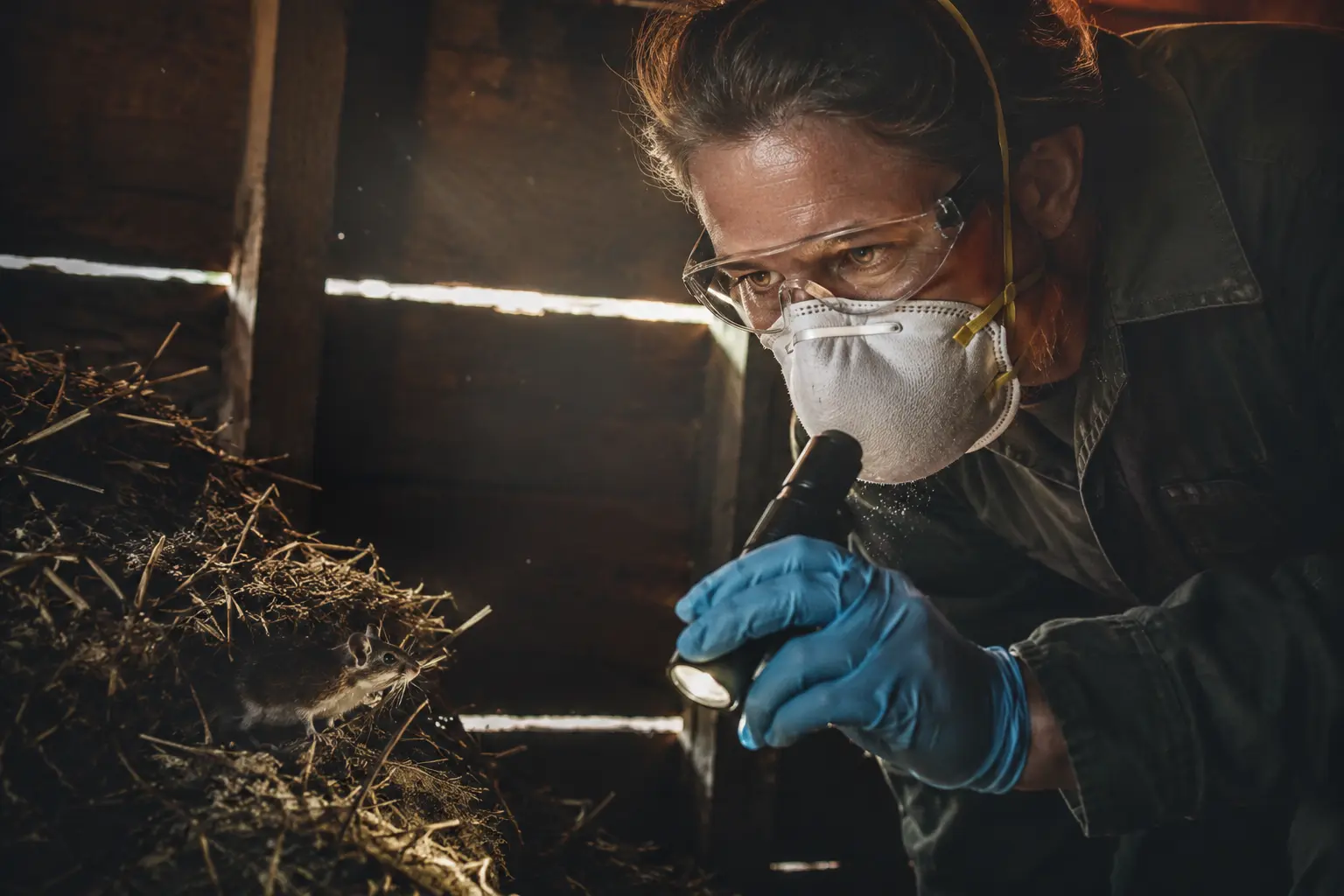
- Cleaning up rodent-infested areas using caution and protective gear can reduce the risk of exposure.
- Proper ventilation during cleaning processes can help minimize the inhalation of potentially contaminated particles.
Recognizing the symptoms
Hantavirus symptoms emerge one to eight weeks after exposure, and they start deceptively like regular flu. You might wake up with fever, muscle aches, fatigue, and headache. A few days in, shortness of breath develops, which is where things get serious. This is the critical moment many young adults miss because they assume it’s just a bad cold. The problem is that hantavirus cardiopulmonary syndrome can escalate quickly. Imagine feeling progressively worse despite resting, with your breathing becoming labored even during simple activities like walking to the kitchen. Some people experience nausea, vomiting, or diarrhea early on. The key difference from regular flu is the rapid progression to respiratory distress. If you’ve been around rodents or rodent droppings in the past two months and you’re experiencing these symptoms, this isn’t the time to wait it out. Early medical intervention is what separates manageable cases from severe complications. Don’t downplay shortness of breath or assume it will pass.
📘 Fix your day in under 2 minuteschoose where to begin:
Preventive measures
Prevention starts with making your living space inhospitable to rodents. Seal cracks and holes in walls, foundations, and around pipes using steel wool and caulk. Rodents can squeeze through openings smaller than a dime, so be thorough. Remove food sources by storing pantry items in airtight containers, keeping your kitchen clean, and securing trash in sealed bins. Don’t leave pet food out overnight. If you live in an area prone to rodent activity, consider traps or professional pest control. When you do encounter droppings or nests, never vacuum or sweep them dry. Instead, spray the area with a disinfectant solution, let it sit for five minutes, then wipe with paper towels and dispose of them in a sealed bag. Wear gloves and a mask rated N95 or better during this process. Ventilate the space well. For young adults in dorms or shared housing, talk to management about pest control. In rural settings, keep firewood piles away from your home and trim vegetation near your house. These practical steps significantly reduce your exposure risk without requiring expensive interventions.
Seeking medical advice
If you suspect hantavirus exposure or experience symptoms, contact a healthcare provider immediately rather than waiting to see if you improve. Tell your doctor about potential rodent exposure, when it occurred, and your specific symptoms. This context helps them move quickly to testing and diagnosis. Hantavirus requires specific blood tests to confirm, so your doctor needs to know what to look for. Early hospitalization, if needed, can make a significant difference in outcomes. Don’t minimize your symptoms or feel embarrassed about mentioning rodent exposure. Healthcare providers encounter this regularly and won’t judge you. If you’re experiencing severe shortness of breath, chest pain, or confusion, go to the emergency room instead of waiting for an appointment. Time matters with hantavirus. Treatment focuses on supportive care, oxygen therapy if needed, and managing complications. There’s no specific antiviral medication, but early medical supervision catches problems before they become critical. Young adults sometimes delay seeking care because they’re used to bouncing back quickly from illness. Hantavirus is different. Trust your instincts and get checked out.
Staying informed
Hantavirus risk varies by region and season. Rodent populations spike in fall and winter when they seek shelter indoors. Check your local health department’s website for hantavirus cases reported in your area. Some regions have higher prevalence than others, particularly the Southwest, Pacific Northwest, and parts of the Midwest. Understanding your local risk helps you prioritize prevention efforts. Follow updates from the CDC website for current information on hantavirus outbreaks and prevention strategies. If you work outdoors, camp frequently, or live in rural areas, stay extra vigilant. Talk to friends and roommates about rodent prevention so everyone in your space is on the same page. Share what you learn about symptoms and exposure so others can recognize problems early. Education is your best tool because hantavirus is entirely preventable when you understand the risks and take action. Young adults who are informed make better decisions about their living spaces and health.
Understanding hantavirus transmission, recognizing symptoms promptly, implementing preventive strategies, seeking timely medical advice, and staying informed are pivotal in protecting young adults from the risks associated with hantavirus infection.
What are the main ways to prevent hantavirus infection?
The main ways to prevent hantavirus infection include avoiding direct contact with rodents and their droppings, practicing good hygiene, implementing rodent control measures, and seeking medical advice promptly if symptoms arise.
What are the key symptoms of hantavirus infection?
Common symptoms of hantavirus infection include fever, muscle aches, fatigue, and shortness of breath. If you suspect exposure to rodents and experience these symptoms, seek medical attention immediately.
Others also read:
Disclaimer: This article is for informational purposes only and is not a substitute for professional medical advice. Always consult a healthcare professional for personal guidance.
This guide has been prepared and reviewed by the GlobalHealthBeacon editorial team and reflects current medical research as of 2026. It provides structured, evidence-based information to support informed health decisions.
