You’re cleaning out your garage and notice droppings in the corner, or you catch a whiff of something off in the attic, and suddenly that nagging worry hits you: what if it’s hantavirus? A hantavirus outbreak explained simply means understanding this serious rodent-borne virus and taking concrete steps right now to keep yourself and your home safe.
Identifying hantavirus hotspots
Hantavirus thrives where rodents live and breed, so learning to spot these danger zones is your first line of defense. Think about the spaces in and around your home where you rarely venture: that dusty shed behind the garage, the crawl space under the porch, or the corner of the basement where boxes have sat untouched for years. These are exactly where rodents nest and leave behind the droppings that carry the virus. Start by doing a slow walk-through of your property. Look for small dark pellets about the size of a grain of rice, especially clustered in corners or along walls. Check inside cabinets, under sinks, and behind appliances where rodents often travel at night. Rural properties, vacation cabins, and older homes are particularly vulnerable. Don’t just assume your home is safe because you haven’t seen a mouse. Many people discover rodent activity only after finding evidence like gnawed packaging, shredded insulation used for nests, or that distinctive musky odor. If you spot any of these signs, document them and call a professional pest control service rather than attempting cleanup yourself.
- Learn to recognize rodent nests and burrows.
- Be cautious around old barns, sheds, or unused buildings.
- Seek professional pest control if you suspect rodent activity in your vicinity.
Maintaining a clean environment
A clean home is your strongest shield against hantavirus. The virus lives in rodent droppings, urine, and saliva, so eliminating these hazards means eliminating the threat. Start with your kitchen, where food crumbs and spills attract rodents in the first place. Wipe down counters daily, sweep floors thoroughly, and don’t leave pet food out overnight. Move to your storage areas and attics, where rodents love to hide among boxes and clutter. Declutter these spaces, seal items in plastic containers instead of cardboard, and remove any piles of old newspapers or fabric. Vacuum regularly using a HEPA filter vacuum, which traps particles that regular vacuums miss. When you vacuum areas where you suspect rodent activity, wear a mask to avoid inhaling dust. Wash your hands immediately after cleaning. Pay special attention to corners, baseboards, and behind appliances where rodent droppings accumulate. Some seniors find it helpful to schedule a deep clean of high-risk areas quarterly, treating it like a seasonal maintenance task alongside gutter cleaning or furnace servicing.
📘 Fix your day in under 2 minuteschoose where to begin:
Proper waste disposal practices
Garbage is a rodent magnet, and rodents are your hantavirus risk. Your trash management strategy should be as intentional as your medication routine. Inside your home, use trash cans with tight-fitting lids and empty them regularly so food waste doesn’t accumulate. Never leave bags of garbage sitting on the kitchen floor overnight waiting for morning pickup. Outside, keep all trash cans in a secure location away from your home’s foundation, ideally in a garage or shed. Use metal cans with locking lids if possible, as rodents can chew through plastic. Store compost bins away from living areas and avoid composting meat, dairy, or oils that attract rodents aggressively. If you have a garden, pick up fallen fruit and vegetables promptly rather than leaving them as a buffet. Many seniors living in rural areas or on properties with acreage make the mistake of assuming scattered food waste is harmless, but it’s actually a dinner invitation for rodents. Schedule your trash pickup for early morning rather than leaving cans out overnight. If you feed birds or outdoor cats, use feeders that don’t spill seeds on the ground, and clean up spilled food immediately.
Protective gear usage
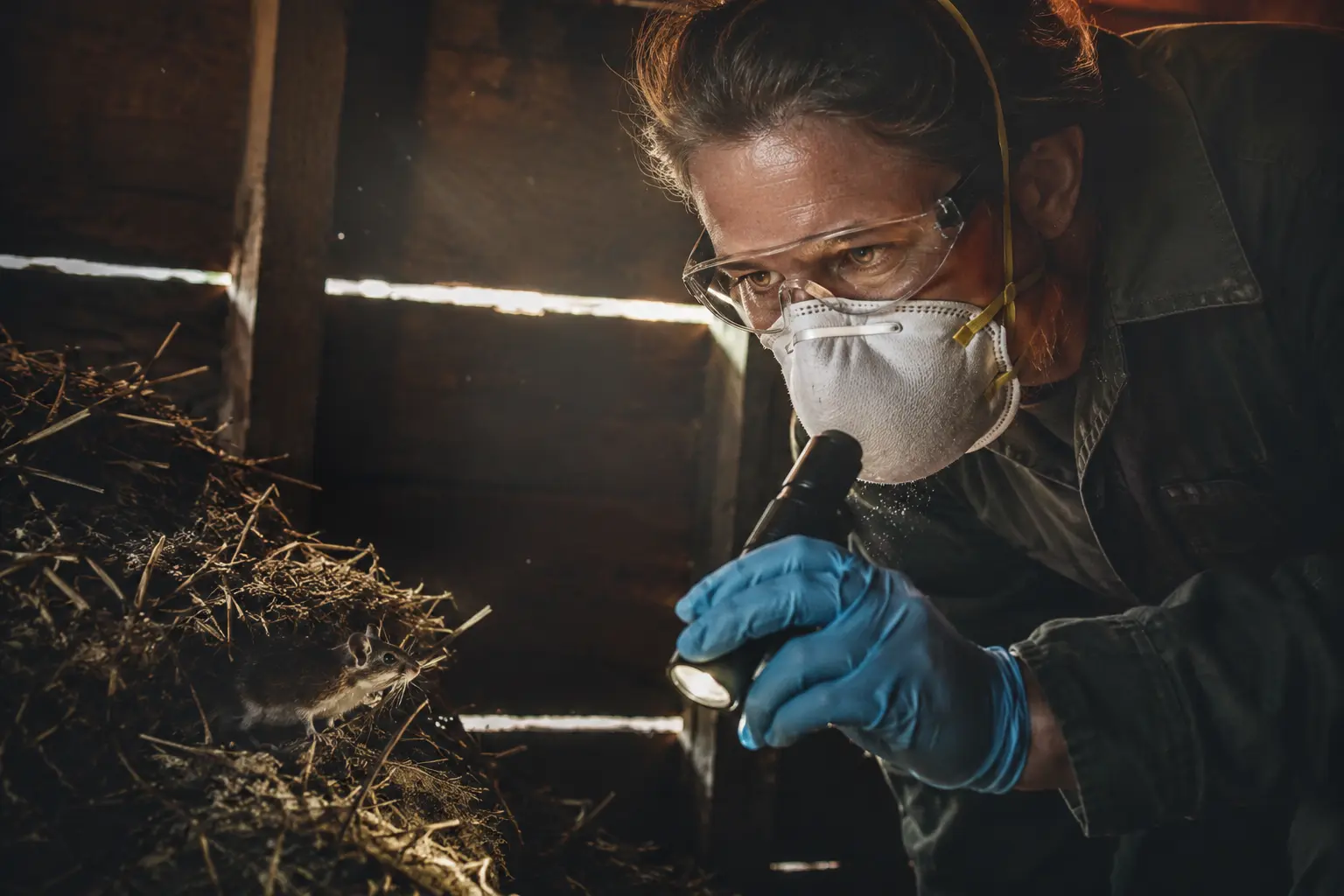
When you must handle areas that might be contaminated with hantavirus, protective gear isn’t optional. Think of it like wearing a seatbelt: it’s a simple precaution that makes a real difference. Before cleaning any area with suspected rodent activity, gather your supplies: disposable gloves (nitrile or latex), an N95 or P100 respirator mask, eye protection or goggles, and a long-sleeved shirt. Put on your mask first, then your goggles, then your gloves. Never touch your face while wearing contaminated gloves. When cleaning rodent droppings, spray the area lightly with a disinfectant solution first to avoid stirring up particles into the air. Use a damp cloth or paper towels to wipe, then dispose of everything in a sealed plastic bag. After finishing, remove your gloves carefully by peeling them off from the wrist without touching the outside surface, and dispose of them in a sealed bag. Remove your mask last. Wash your hands thoroughly with soap and warm water for at least 20 seconds. Many seniors underestimate this step because they’ve cleaned their homes for decades without special gear, but hantavirus is different and demands respect. If the contaminated area is large (more than 10 square feet) or if you have respiratory issues, hire a professional instead.
Seeking medical attention
Hantavirus symptoms often start subtly, which is why knowing what to watch for matters so much. Early signs include fever, muscle aches (especially in the back and thighs), fatigue that feels deeper than normal tiredness, and sometimes headaches or chills. These symptoms can appear 1 to 8 weeks after exposure, so if you remember a potential exposure incident from weeks ago and suddenly feel unwell, mention it to your doctor. As the illness progresses, you might develop shortness of breath, chest tightness, or a dry cough. This is when hantavirus becomes serious and requires hospitalization. Don’t wait to see if symptoms improve on their own. Call your doctor immediately and tell them about your potential hantavirus exposure. This information helps them run the right tests and start appropriate treatment quickly. Early supportive care in a hospital setting, including oxygen therapy and careful fluid management, significantly improves outcomes. Many seniors hesitate to seek help for what feels like mild flu symptoms, but with hantavirus, that hesitation can be dangerous. If you live alone, consider calling a trusted family member or friend to drive you to urgent care or the emergency room rather than driving yourself, especially if you’re experiencing breathing difficulties. Keep a written record of any exposure incidents and share it with your healthcare provider.
Understanding the dangers of hantavirus is crucial. By following practical steps such as identifying hotspots, maintaining cleanliness, proper waste disposal, protective gear usage, and prompt medical attention, seniors can effectively avoid hantavirus exposure and protect their health.
What are the symptoms of hantavirus infection?
Common symptoms of hantavirus infection include fever, muscle aches, fatigue, and difficulty breathing. If you suspect exposure to hantavirus, seek medical help promptly.
Can hantavirus be transmitted between humans?
Hantavirus is primarily spread through contact with infected rodents or their droppings. Human-to-human transmission is rare but possible in specific cases.
Others also read:
Disclaimer: This article is for informational purposes only and is not a substitute for professional medical advice. Always consult a healthcare professional for personal guidance.
This guide has been prepared and reviewed by the GlobalHealthBeacon editorial team and reflects current medical research as of 2026. It provides structured, evidence-based information to support informed health decisions.

