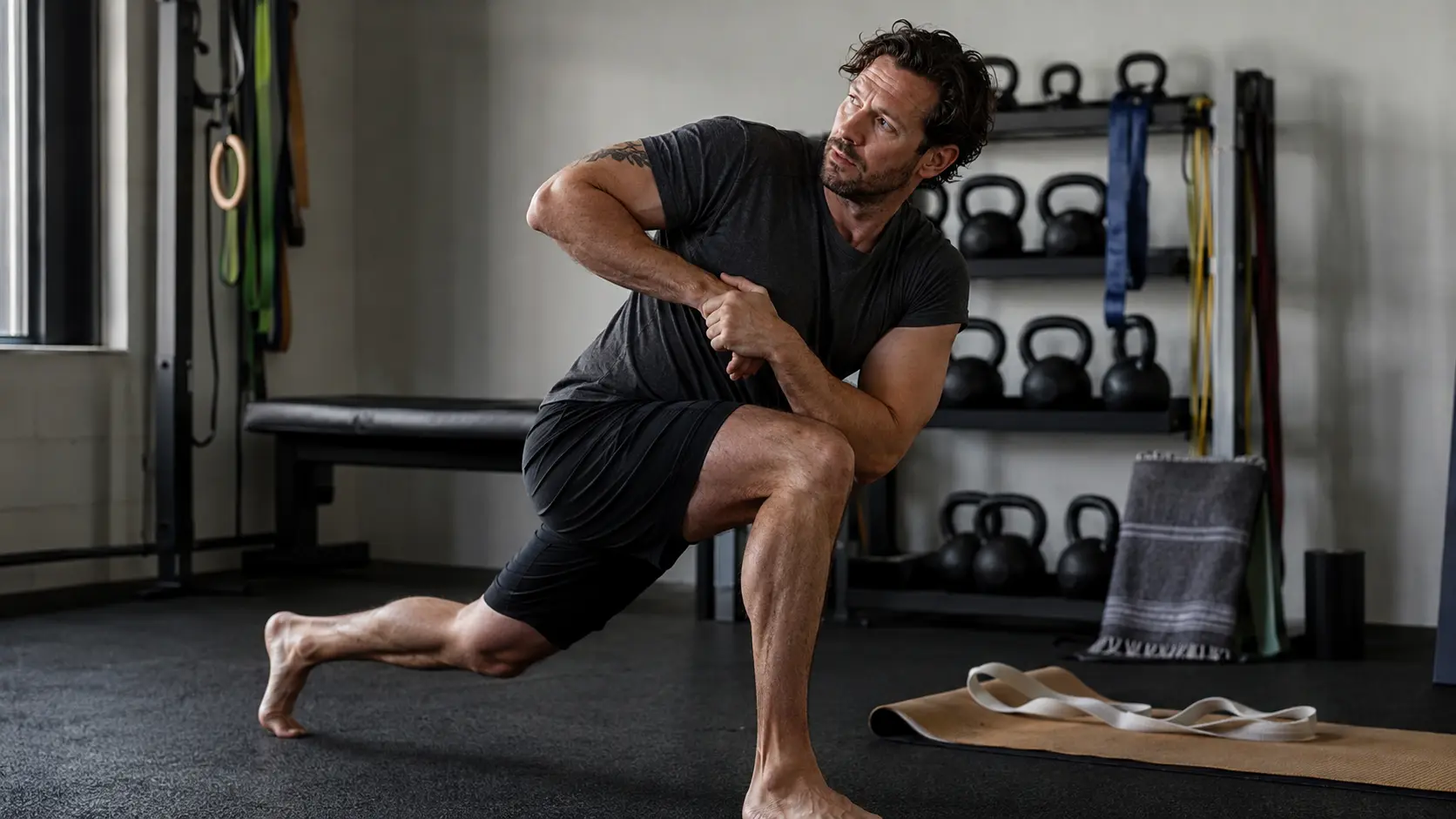
You’re reaching for a coffee mug and suddenly your shoulder screams, or you try to bend down to pick something up and your knees feel locked in place, leaving you wondering if this is just part of getting older or if you’re missing something crucial about mobility versus flexibility.
Embracing mobility for independence
Mobility is your ability to move freely and easily through life, and honestly, it’s what keeps you feeling like yourself. Think about the last time you walked to your mailbox without thinking twice, or got up from a chair without that moment of hesitation. That’s mobility at work. When mobility starts slipping, simple tasks become negotiations with your own body. You might notice it when climbing stairs feels heavier, or when turning your head to check traffic takes extra effort. The good news is that mobility improves with consistent movement. Walking, swimming, or even tai chi gently challenge your joints and muscles to work through their natural range. Balance exercises matter too because they prevent falls, which seniors worry about for good reason. Regular low-impact activity keeps your joints lubricated and your muscles engaged, making everyday independence feel less like a struggle and more like living.
- Engage in regular low-impact exercises like walking, swimming, or tai chi.
- Incorporate stretching exercises to keep your muscles flexible and joints mobile.
- Prioritize balance exercises to prevent falls and maintain stability.
Flexibility enhancing daily life comfort
Flexibility is different from mobility, though people often mix them up. It’s specifically about how far your muscles and joints can stretch and bend. Picture yourself trying to touch your toes or reach behind your back to zip up a dress. That’s flexibility in action. Many seniors notice their flexibility declining gradually, almost without warning, until one day they realize they can’t quite reach something on the top shelf or lean back in a chair comfortably. Stiffness creeps in quietly, often from years of repetitive movements or simply not using your full range of motion. The beauty is that flexibility responds quickly to gentle, consistent stretching. Yoga classes designed for seniors, or even simple daily stretching routines, can restore that ease of movement. When you improve flexibility, your posture naturally improves too because tight muscles stop pulling you forward. You stand taller, feel more confident, and daily activities like getting dressed or grooming become noticeably easier and less frustrating.
💬 Ready to feel better in 2 minutes?choose where to begin:
Balancing mobility and flexibility for optimal health
Here’s where it gets interesting: mobility and flexibility work together like partners. You can be flexible but not mobile if your muscles are strong but your joints feel stiff. You can have decent mobility but poor flexibility if you’re strong but tight. The sweet spot is combining both. Imagine a senior who does gentle yoga for flexibility but also takes daily walks for mobility and strength. That person moves through the world with ease that others envy. They can reach, bend, walk, and turn without that constant negotiation with their body. Finding your balance means listening to what your body needs. Some days that might be stretching, other days it’s movement. Some weeks you might focus more on balance work. It’s not about pushing yourself to extremes or following someone else’s routine. It’s about creating a rhythm that feels sustainable and keeps you feeling capable and comfortable in your own skin.
Mindful movement for long-term wellbeing
Mindful movement practices like tai chi or yoga aren’t just about the physical benefits, though those are real and significant. They’re about reconnecting with your body in a gentle, intentional way. Many seniors find that these practices calm their nervous system, reduce the stress and tension they carry, and even improve sleep. There’s something powerful about moving slowly and deliberately, paying attention to how each muscle feels, where you hold tension, and how your body responds. Tai chi, in particular, has been studied extensively with seniors and shows remarkable benefits for balance, flexibility, and even mental clarity. Yoga offers similar rewards plus the bonus of community if you join a class. The mental clarity that comes from these practices often surprises people. Your mind quiets down, anxiety eases, and you feel more grounded. Over time, this mindful approach to movement becomes part of how you care for yourself, not just another task on your to-do list but something you actually look forward to.
Understanding the distinction between mobility and flexibility is key to maintaining independence and comfort in your daily life. By incorporating exercises that promote both aspects and embracing mindful movement practices, you can enhance your overall wellbeing and enjoy a vibrant lifestyle.
How can I improve my mobility as a senior?
To improve mobility, engage in regular low-impact exercises like walking or swimming, incorporate stretching routines, and prioritize balance exercises to enhance stability and prevent falls.
What are some simple ways to increase flexibility?
Increasing flexibility can be achieved through regular stretching exercises, yoga practice, and activities that promote a full range of motion in your muscles and joints.
Others also read:
Disclaimer: This article is for informational purposes only and is not a substitute for professional medical advice. Always consult a healthcare professional for personal guidance.
This article presents an experience-based perspective and has been reviewed by the GlobalHealthBeacon editorial team in 2026. It provides structured, evidence-based information to support informed health decisions.
