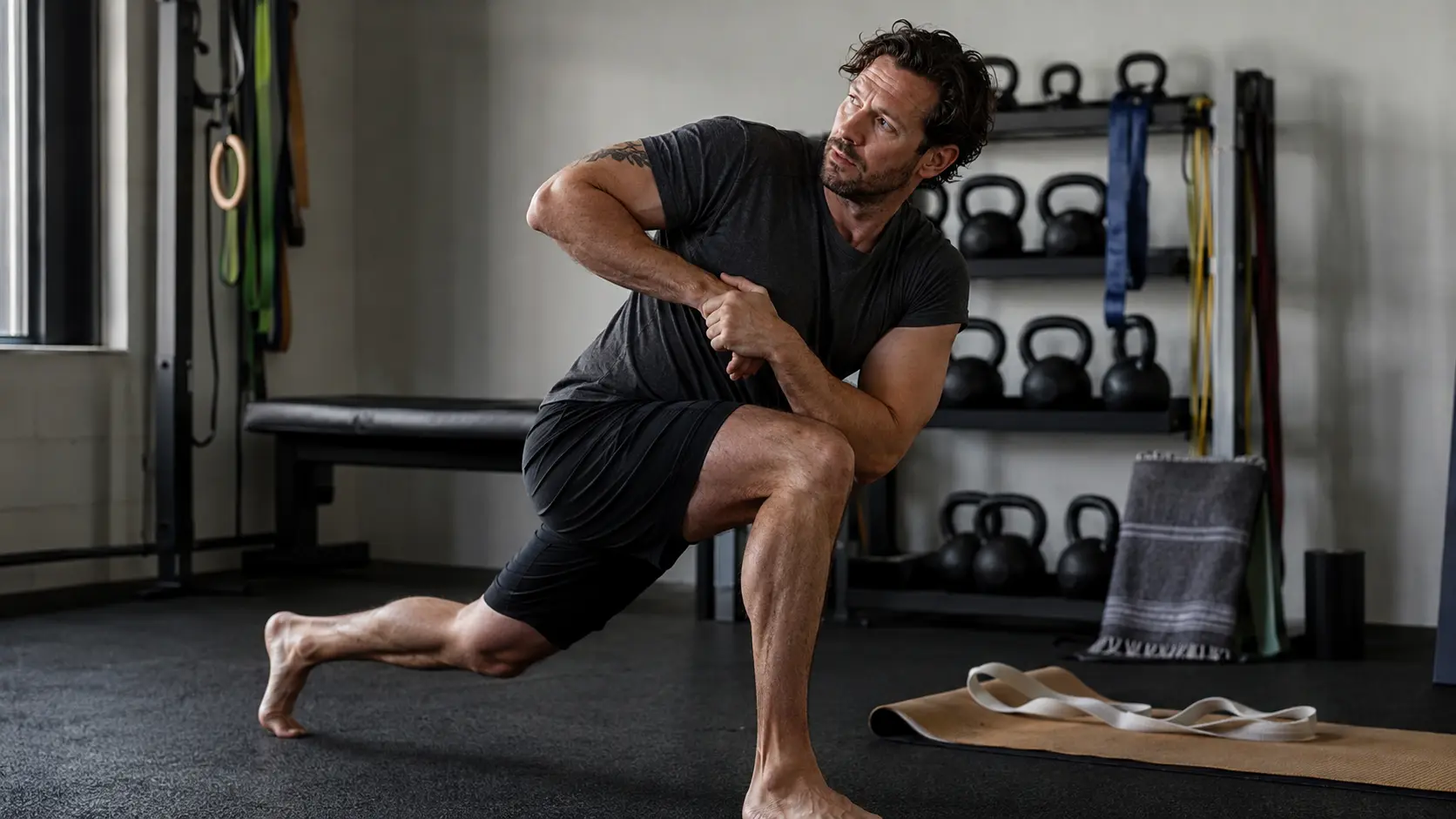
You reach for something on a high shelf and your shoulder screams in protest, or you try to sit cross-legged and your hips feel locked in place, and that’s when it hits you: the difference between mobility versus flexibility is the reason your body feels stuck, stiff, and way older than it actually is.
The importance of mobility
Mobility is honestly the unsung hero of movement that most of us don’t think about until something goes wrong. It’s your body’s ability to move freely and easily through different ranges of motion, but it’s not just about stretching. Real mobility combines flexibility with strength, stability, and control all working together. Think about reaching down to pick up your kid, rotating to look over your shoulder while driving, or squatting to garden without pain. Those everyday movements require your joints, muscles, and nervous system to work in harmony. Without good mobility, simple tasks become frustrating struggles that make you feel older than you should. I remember struggling to tie my shoes without bending my knees, feeling embarrassed and limited. Building mobility means working on joint range of motion through functional movements, not just passive stretching.
- Improves overall quality of life and daily independence
- Reduces the risk of injuries during movement and exercise
- Enhances athletic performance and workout effectiveness
The significance of flexibility
Flexibility is that satisfying feeling when your muscles finally lengthen and release tension you didn’t even know you were carrying. It focuses on the lengthening of muscles to improve range of motion, and honestly, it’s the part of fitness that actually feels good in the moment. Being flexible allows you to stretch further, touch your toes without strain, and move through life with less muscle tightness. I spent years hunched over a desk, and my hamstrings were so tight I could barely fold forward. Flexibility work became my escape, a way to undo hours of sitting and feel my body relax. It aids in preventing muscle stiffness, promotes relaxation, and gives you that sense of ease you crave after a long day. Regular stretching releases tension stored in your muscles and can even calm your nervous system. The difference is that flexibility alone won’t help you move better in real life, but combined with mobility work, it becomes transformative.
💬 Ready to feel better in 2 minutes?choose where to begin:
Striking a balance
Finding the perfect balance between mobility and flexibility is where the real magic happens, and honestly, most of us are doing one without the other. While mobility ensures you can move freely through functional patterns like lunges, squats, and rotations, flexibility helps prevent muscle stiffness and supports better posture throughout your day. I used to think yoga alone would fix everything, but I realized I needed strength and stability work too. A woman in her forties might have great flexibility but struggle to get up from the floor because she lacks the mobility and strength in her hips and ankles. Another might be strong but so tight she can’t move comfortably. Incorporating both into your routine means doing dynamic stretching before workouts, functional movement patterns during exercise, and static stretching after. It means listening to what your body actually needs instead of following a generic program. This balanced approach leads to a healthier, more active lifestyle where movement feels natural and pain-free.
Embracing the journey
Remember, the journey towards better mobility and flexibility is completely unique to you, and comparing yourself to others is the fastest way to feel defeated. Progress might feel glacially slow at first, but those small improvements genuinely add up over time in ways you’ll notice. I couldn’t touch my toes for years, and then one day I could, and it felt like winning the lottery. Stay consistent even when you don’t see results, listen to your body when it’s telling you to ease up or push harder, and celebrate every single milestone you achieve. Some weeks you’ll feel stronger, other weeks more flexible, and that’s normal. The consistency matters more than perfection. Track how you feel in daily life, not just how far you can stretch. Notice when stairs feel easier, when you can sit comfortably longer, or when your back doesn’t ache at the end of the day. Those wins are what make the effort worthwhile and keep you motivated for the long haul.
Understanding the difference between mobility and flexibility is vital for enhancing your daily movements and overall well-being. Mobility focuses on movement range combined with strength and control, while flexibility emphasizes muscle lengthening. Finding a balance between the two can lead to improved quality of life and reduced risk of injuries.
How can I improve my mobility?
To enhance your mobility, incorporate exercises that focus on joint range of motion and functional movements like lunges, squats, and rotations. Stretch regularly, work on strengthening muscles to support better movement, and consider activities like yoga or Pilates that combine flexibility with stability.
What are some flexibility exercises I can do?
To improve flexibility, try incorporating yoga, Pilates, or regular stretching sessions into your routine. Focus on gradually increasing the length and depth of your stretches to promote muscle elasticity. Hold stretches for 20-30 seconds and practice both dynamic stretching before workouts and static stretching after.
Others also read:
Disclaimer: This article is for informational purposes only and is not a substitute for professional medical advice. Always consult a healthcare professional for personal guidance.
This article presents an experience-based perspective and has been reviewed by the GlobalHealthBeacon editorial team in 2026. It provides structured, evidence-based information to support informed health decisions.
