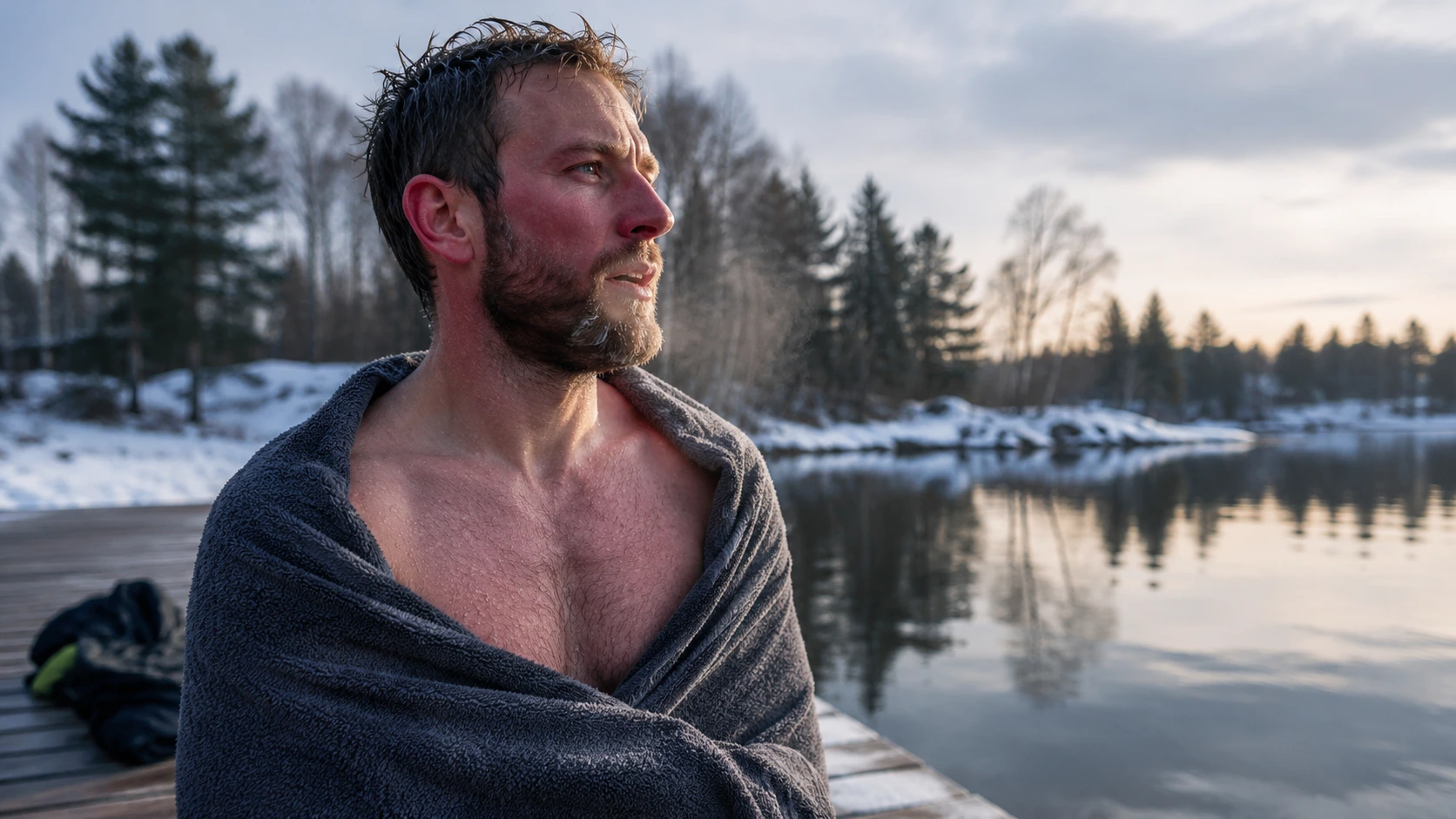
If you’re exhausted, sluggish, and feeling like your body is working against you, cold exposure health effects might be the reset your system desperately needs to reclaim your energy and mental sharpness.
Understanding the benefits of cold exposure
Cold exposure triggers a cascade of physiological responses that can genuinely transform how your body functions. When you expose yourself to cold temperatures, your body activates brown adipose tissue, which burns calories to generate heat, effectively boosting your metabolism. Beyond the metabolic shift, cold exposure enhances circulation by forcing blood vessels to constrict and then dilate, improving oxygen delivery throughout your body. Your immune system gets a significant upgrade too, as regular cold exposure increases the production of white blood cells and strengthens your natural defense mechanisms. For mental clarity, the cold activates your parasympathetic nervous system after the initial stress response, leaving you feeling sharper and more focused. Consider a woman who starts with weekly cold showers and notices within three weeks that her energy levels have increased, her skin looks clearer, and she feels more resilient when facing daily stressors. The cumulative effect builds gradually, making cold exposure a sustainable practice rather than a quick fix.
- Boosts metabolism and calorie burning
- Improves circulation and oxygen delivery
- Strengthens the immune system naturally
- Enhances mental clarity and focus
- Increases energy levels and resilience
Practical tips for safe cold exposure
Starting safely is everything when introducing cold exposure into your routine. Begin with short 30 to 60 second cold showers at the end of your regular warm shower, allowing your body to acclimate without shock. Gradually extend the duration by 15 to 30 seconds each week as your tolerance builds. Wear appropriate clothing for outdoor cold exposure, layering strategically so you can remove layers as needed. Always listen to your body’s signals, stopping immediately if you experience uncontrollable shivering, numbness, or confusion. Stay hydrated before and after exposure since cold can mask your body’s thirst signals. Warm up properly afterward by moving gently, drinking warm beverages, and allowing your core temperature to return to normal gradually. A common mistake women make is jumping into extreme cold too quickly, which can trigger excessive stress hormones rather than the beneficial adaptation response you’re aiming for. Consistency matters far more than intensity.
📘 Fix your day in under 2 minuteschoose where to begin:
Exploring different cold exposure techniques
You have multiple pathways to incorporate cold exposure, each with distinct benefits and accessibility levels. Cold showers are the most accessible starting point, requiring nothing but your existing shower and a willingness to adjust the temperature dial. Ice baths offer more intense exposure, where you immerse yourself in water between 50 to 59 degrees Fahrenheit for 5 to 15 minutes, delivering faster adaptations but requiring more preparation. Cryotherapy chambers use extreme cold air for 2 to 3 minutes, providing rapid whole-body exposure in a controlled environment, though they require access to a facility. Cold water swimming in lakes or pools combines cold exposure with cardiovascular exercise and community connection. Contrast therapy alternates between hot and cold, amplifying circulation benefits. For example, a woman might start with cold showers Monday and Wednesday, add an ice bath on Friday, and notice that her recovery from workouts improves significantly within four weeks. Experimenting with different techniques helps you identify what fits your lifestyle and delivers results you can sustain long-term.
Understanding the risks of cold exposure
While cold exposure offers substantial benefits, awareness of potential risks ensures you practice safely and responsibly. Hypothermia occurs when core body temperature drops dangerously low, typically from prolonged exposure in extreme cold without proper protection. Frostbite develops when skin and underlying tissues freeze, causing permanent damage if not treated immediately. Individuals with cardiovascular conditions, high blood pressure, or Raynaud’s syndrome face elevated risks and should consult their healthcare provider before beginning cold exposure. Rapid cold exposure can trigger a gasp reflex and involuntary breathing that may lead to water inhalation if you’re submerged, so gradual acclimation is critical. Cold-induced asthma can flare in susceptible women, particularly during intense exercise in cold conditions. Hormonal sensitivities matter too, as excessive cold stress can temporarily disrupt menstrual cycles if exposure is too aggressive. The key is respecting your body’s limits, starting conservatively, and treating warning signs like excessive shivering or numbness as signals to stop immediately. Working with a healthcare provider helps you establish a safe baseline tailored to your specific health profile.
Incorporating cold exposure into your routine
Building a sustainable cold exposure practice means creating a schedule that aligns with your lifestyle, goals, and current fitness level. Start by choosing two to three days per week for cold exposure, spacing them out to allow recovery between sessions. If you’re using cold showers, integrate them into your existing morning or post-workout routine so they become automatic rather than requiring extra motivation. Track your responses in a simple journal, noting energy levels, sleep quality, mood, and any physical changes you observe over four to eight weeks. Adjust frequency and intensity based on how your body responds, recognizing that more is not always better. A realistic scenario involves a woman who commits to cold showers three times weekly for a month, then evaluates whether she wants to add ice baths or increase duration. She might discover that her sweet spot is two cold showers and one ice bath per week, delivering noticeable benefits without creating stress. Consistency over intensity produces the most reliable results, transforming cold exposure from an experimental practice into a foundational part of your wellness routine.
Cold exposure for women offers measurable health benefits including boosted metabolism, improved circulation, and enhanced mental clarity when practiced responsibly. By following safety guidelines, starting conservatively, and being aware of potential risks, women can incorporate cold exposure into their daily routine for sustainable improvements in overall well-being and resilience.
Is cold exposure safe for everyone?
Cold exposure can be safe for most people when practiced responsibly and with proper progression. Individuals with certain medical conditions such as heart problems, circulation issues, Raynaud’s syndrome, or uncontrolled high blood pressure should consult a healthcare provider before engaging in cold exposure to ensure it aligns with their specific health profile.
How often should women engage in cold exposure?
The frequency of cold exposure sessions varies depending on individual preferences, fitness level, and goals. It’s recommended to start with two to three sessions per week and adjust based on how your body responds. Most women find that consistency matters more than intensity, and spacing sessions allows your body to adapt and recover between exposures.
Others also read:
Disclaimer: This article is for informational purposes only and is not a substitute for professional medical advice. Always consult a healthcare professional for personal guidance.
This guide has been prepared and reviewed by the GlobalHealthBeacon editorial team and reflects current medical research as of 2026. It provides structured, evidence-based information to support informed health decisions.
