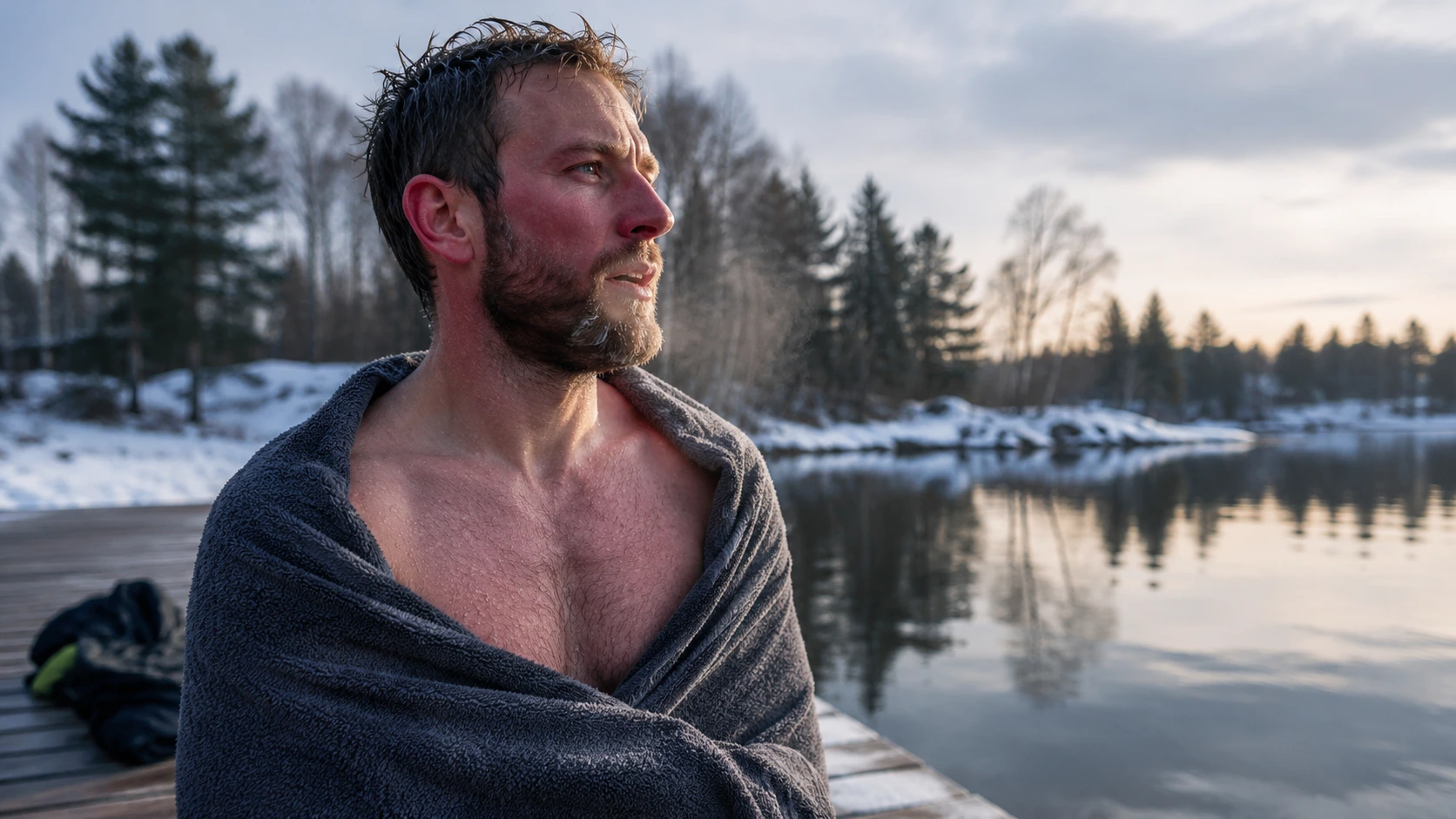
You’re exhausted, your metabolism feels stuck, and no amount of cardio seems to shift things, but what if the answer was literally the opposite of what you’ve been doing, what if stepping into the cold could be the reset your body has been waiting for?
Understanding cold exposure and its benefits
Cold exposure involves deliberately exposing your body to chilly temperatures, triggering a cascade of physiological changes that go far deeper than just feeling uncomfortable. When you step into cold water or a freezing shower, your nervous system activates, your heart rate increases slightly, and your body begins recruiting brown adipose tissue, a metabolically active fat that burns calories to generate heat. For women specifically, this matters because hormonal fluctuations can slow metabolism, especially after 35. Cold exposure stimulates norepinephrine release, a hormone that enhances focus, mood, and fat burning. Think of it like flipping a metabolic switch. Beyond metabolism, regular cold exposure strengthens your cardiovascular system by improving blood vessel flexibility, enhances immune cell activity to help you fight off colds and infections more effectively, and reduces systemic inflammation that often underlies chronic fatigue and joint discomfort.
- Stimulates metabolism and enhances calorie burning
- Improves circulation and cardiovascular health
- Strengthens the immune system and reduces inflammation
Gradually introduce cold exposure
Starting too aggressively is the biggest mistake women make with cold exposure. Your body needs time to adapt, and pushing too hard too fast can trigger stress responses that work against your goals. Begin with cold showers, turning the temperature down gradually over two weeks, starting with just the last 30 seconds of your shower being cold. If showers feel too intense, try splashing cold water on your face and neck for 10 to 15 seconds each morning, or wear lighter layers during your regular walks in cool weather. A real example: Sarah, a 42-year-old who struggled with energy crashes, started by ending her morning showers with 20 seconds of cold water. By week three, she extended it to 90 seconds and noticed she felt more alert throughout the day. The key is consistency over intensity. Your nervous system learns to interpret cold as a positive stressor rather than a threat, which is when the real benefits kick in.
📘 Fix your day in under 2 minuteschoose where to begin:
Embrace cold water immersion techniques
Once your body has adapted to basic cold exposure, cold water immersion takes things further. This includes ice baths, cold plunges, or swimming in unheated water. Start with water around 50 to 60 degrees Fahrenheit for just two to three minutes, focusing on controlled breathing rather than gasping or panicking. Cold water immersion activates your parasympathetic nervous system after the initial shock, which reduces cortisol and promotes deep relaxation. Women often report improved mood within days, reduced muscle soreness after workouts, and better sleep quality. A practical scenario: imagine finishing a tough leg day workout, then spending three minutes in a cold plunge. The cold reduces inflammation in your muscles, speeds recovery, and the mental resilience you build from staying calm in discomfort carries into your daily life. Start once weekly and work up to two or three times per week as your tolerance grows. Always have warm clothes and a warm drink ready afterward.
Combine cold exposure with breathwork
Pairing cold exposure with intentional breathing transforms the experience from stressful to empowering. Before entering cold water or taking a cold shower, practice box breathing: inhale for four counts, hold for four, exhale for four, hold for four. Repeat five to ten times. This activates your parasympathetic nervous system before the cold hits, so your body is already calm and regulated. During cold exposure, breathe slowly and deeply through your nose, which warms the air slightly and signals safety to your brain. Many women find that this combination reduces anxiety around cold exposure and makes longer durations feel manageable. A real benefit: the controlled breathing teaches your body that you can remain calm under stress, a skill that translates to managing everyday pressure at work or home. Meditation during or immediately after cold exposure, even just five minutes of focused breathing, deepens the relaxation response and maximizes the mental health benefits.
Stay consistent and listen to your body
Cold exposure only works if you stick with it. Your body adapts to new stressors over two to four weeks, which is why consistency matters more than intensity. Aim for two to four cold exposures per week, whether that’s cold showers, cold plunges, or chilly walks. Track how you feel: better sleep, more stable energy, clearer skin, and improved mood are common signs it’s working. Listen to your body’s signals though. If you feel dizzy, experience chest pain, or notice your menstrual cycle becoming irregular, scale back and talk to your doctor. Women with thyroid conditions, Raynaud’s disease, or cardiovascular issues should get clearance from a healthcare provider before starting. A practical tip: keep a simple log of your cold exposure sessions and note your mood, energy, and sleep quality. After four weeks, you’ll see patterns that show whether this practice is right for you. Remember, cold exposure is a tool, not a mandate. If it doesn’t resonate with your body or life, other evidence-based practices like strength training or sauna use offer similar benefits.
Cold exposure offers numerous health benefits, including increased metabolism, improved circulation, and strengthened immune function. By gradually introducing cold exposure techniques, embracing cold water immersion, combining breathwork, and staying consistent, women can reap the rewards of this practice while prioritizing their well-being.
Is cold exposure safe for everyone?
While cold exposure can benefit many individuals, it may not be suitable for those with certain health conditions such as heart problems or Raynaud’s disease. Consult a healthcare provider before starting any cold exposure regimen.
How long should cold exposure sessions last?
Initially, start with short exposures ranging from a few seconds to a few minutes, and gradually increase the duration as your body adjusts. Listen to your body’s signals and stop immediately if you feel uncomfortable or experience any adverse effects.
Others also read:
Disclaimer: This article is for informational purposes only and is not a substitute for professional medical advice. Always consult a healthcare professional for personal guidance.
This guide has been prepared and reviewed by the GlobalHealthBeacon editorial team and reflects current medical research as of 2026. It provides structured, evidence-based information to support informed health decisions.
