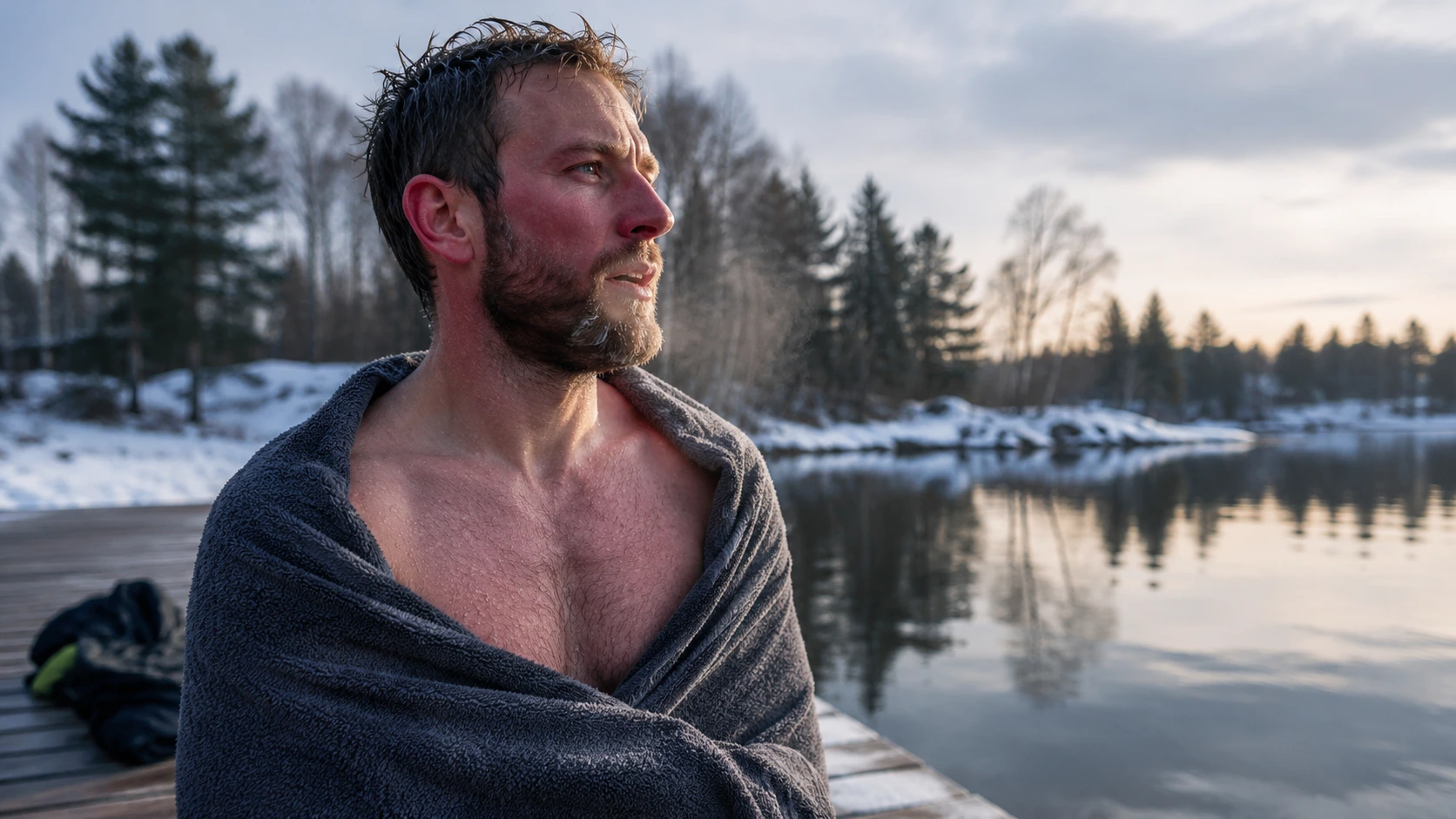
You’re exhausted from the same old wellness routines that promise everything but deliver nothing, and now you’re hearing about cold exposure everywhere but have no idea if it’s actually safe or worth your time.
Understanding cold exposure health effects
Cold exposure works by triggering your body’s natural stress response, which activates brown fat tissue and strengthens your cardiovascular system over time. When you expose yourself to cold, your body releases norepinephrine, a hormone that sharpens focus and improves mood. Think of it like this: a 25-year-old who starts with 30-second cold showers might notice better alertness within two weeks, while someone who jumps into ice baths without preparation risks overwhelming their nervous system. The key is understanding that your body adapts gradually. Cold exposure can boost immunity by increasing white blood cell production, improve circulation by forcing your heart to work more efficiently, and even enhance mental resilience by teaching your nervous system to handle stress better. Start by recognizing these effects happen at the cellular level, not overnight.
- Manage your exposure time starting with brief periods and slowly increasing as your body adapts.
- Stay hydrated before and after exposure to aid circulation and maintain body temperature.
- Listen to your body’s signals and stop immediately if you experience numbness, tingling, or intense shivering.
Starting your cold exposure journey
Begin where you are comfortable, not where you think you should be. Cold showers are the easiest entry point: start with 10 to 15 seconds of cold water at the end of your regular shower, then gradually extend to 30 seconds over two weeks. If you’re ready to progress, ice baths come next, but fill the tub with water first, then add ice gradually so the temperature drops slowly rather than shocking your system. Outdoor cold exposure like winter swimming or cold weather runs works for some young adults, but requires more caution. A realistic scenario: Sarah, 23, started with 15-second cold showers three times weekly. After three weeks, she extended to 45 seconds and noticed improved sleep quality. By week six, she added one ice bath per week and felt noticeably sharper during work. The consistency matters more than intensity. Pick one method and commit to it for at least three weeks before switching or adding another technique.
📘 Fix your day in under 2 minuteschoose where to begin:
Maximizing health benefits safely
Breathing is your secret weapon during cold exposure. Before entering cold water, take five deep breaths through your nose to calm your nervous system, then use slow, controlled breathing once you’re in the cold. This prevents the gasping reflex that can lead to hyperventilation. Many young adults make the mistake of holding their breath, which increases panic and reduces the actual benefits. Instead, breathe steadily and deeply, focusing on longer exhales than inhales. This activates your parasympathetic nervous system, which counterbalances the stress response. A practical example: during a 60-second cold shower, breathe in for four counts and out for six counts. This rhythm keeps you calm and allows your body to adapt rather than fight. Pair this with progressive muscle relaxation afterward, where you consciously tense and release each muscle group. This teaches your body to recover efficiently from cold stress, which translates to better stress management in daily life.
Building resilience and wellness
As weeks pass, you’ll notice your tolerance increases without effort. What felt unbearable at day one becomes manageable by week four. This isn’t just physical adaptation; it’s psychological resilience building. Your brain learns that discomfort is temporary and manageable, which carries over to other challenging situations in work and relationships. Young adults often report improved focus during stressful meetings, better mood stability, and increased confidence after consistent cold exposure practice. Track your progress by noting how long you can stay in cold water, how quickly your body temperature recovers, and how you feel mentally afterward. A common milestone: by week eight, most people can handle three to five minutes of cold exposure without significant distress. This progress reinforces motivation and creates a positive feedback loop. The invigoration you feel after a cold shower or ice bath comes from endorphin release and improved circulation, which also enhances physical performance during workouts and daily activities.
Creating a sustainable cold exposure routine
Sustainability requires integration, not isolation. Schedule cold exposure sessions at specific times, ideally in the morning when your nervous system is fresh and responsive. Cold showers work well right after waking, while ice baths fit better into evening routines if you have access to facilities. Combine cold exposure with other wellness practices: follow a cold shower with stretching or light exercise, pair ice baths with meditation or journaling, and ensure you’re eating nutrient-dense foods to support recovery. A realistic weekly structure for a young adult might look like this: three cold showers on Monday, Wednesday, and Friday mornings, one ice bath on Sunday evening, plus regular exercise and adequate sleep throughout the week. This consistency compounds benefits without overwhelming your schedule. Many people fail because they attempt extreme protocols unsustainably. Instead, build a routine you can maintain for months and years. The real transformation happens through accumulated exposure over time, not dramatic single sessions.
Cold exposure health effects develop gradually through consistent, safe practice. Start with cold showers, progress at your own pace, focus on breathing techniques, and build a routine that fits your life. Listen to your body, stay hydrated, and combine cold exposure with other wellness habits for lasting results.
Is cold exposure safe for everyone?
While cold exposure can be beneficial for many, individuals with certain medical conditions or sensitivities should consult a healthcare professional before starting a cold exposure practice.
How often should I engage in cold exposure?
The frequency of cold exposure sessions can vary based on individual tolerance and goals. Start with a few sessions per week and adjust based on how your body responds.
Others also read:
Disclaimer: This article is for informational purposes only and is not a substitute for professional medical advice. Always consult a healthcare professional for personal guidance.
This guide has been prepared and reviewed by the GlobalHealthBeacon editorial team and reflects current medical research as of 2026. It provides structured, evidence-based information to support informed health decisions.
