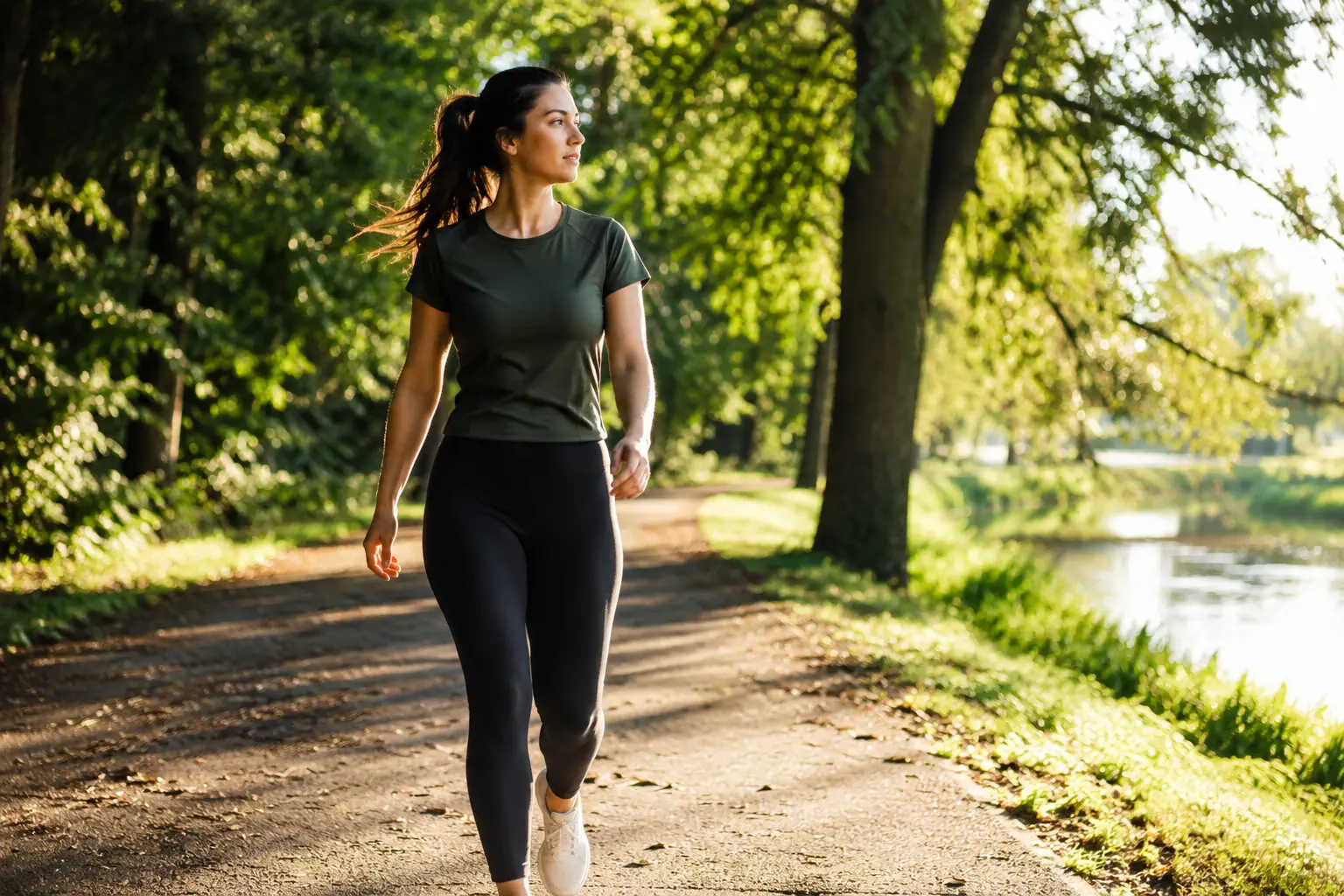
That heavy, foggy feeling after lunch that makes you want to collapse at your desk? Walking after meals blood sugar management is the real-life solution young adults are discovering to actually feel like themselves again instead of crashing hard.
Balancing blood sugar levels
Picture this: you finish a substantial lunch, and within 30 minutes, your energy plummets and your focus becomes impossible. This is your blood sugar spiking and then crashing. After eating, especially meals high in carbohydrates, your glucose levels surge quickly. Walking for just 15 minutes post-meal acts like a natural regulator for your body. Your muscles start pulling glucose from your bloodstream during movement, which prevents those dramatic spikes that leave you exhausted. Think of it like this: instead of your blood sugar climbing a steep mountain and then dropping off a cliff, a post-meal walk creates a gentler slope. Young adults who’ve started this habit report feeling steadier throughout their afternoons, no longer reaching for that third coffee or energy drink to survive until dinner.
- Reduces postprandial blood sugar levels
- Improves insulin sensitivity
- Aids in weight management
Boosting energy levels
Remember that 2 PM slump where you can barely keep your eyes open? That sluggish feeling isn’t inevitable. When you walk after eating, your cardiovascular system kicks into gear, pumping oxygen-rich blood throughout your body. This increased circulation naturally energizes you without relying on sugary snacks or caffeine jitters. A young professional might notice that instead of reaching for candy or an energy drink after lunch, a 15-minute walk around the block leaves them feeling genuinely refreshed and alert. Your heart rate increases slightly, your muscles engage, and your brain receives better oxygen supply. Many people discover they can focus better on afternoon tasks, handle stress more effectively, and even feel more motivated to tackle that project they’ve been avoiding. It’s not just about avoiding the crash; it’s about actively creating sustained energy that carries you through your entire day.
💬 Ready to feel better in 2 minutes?choose where to begin:
Enhancing digestion
Bloating, discomfort, and that heavy feeling after meals affects more young adults than you might think. Walking stimulates your digestive system by encouraging food to move through your stomach and intestines more efficiently. When you sit immediately after eating, digestion slows down, which can lead to bloating and indigestion. Movement, particularly gentle walking, activates your parasympathetic nervous system and helps your digestive muscles work properly. Someone who used to feel uncomfortably full for hours after dinner might find that a 10-minute walk allows them to feel normal again within 30 minutes. This isn’t just about comfort; better digestion means your body absorbs nutrients more effectively and you experience fewer digestive issues overall. The bonus? You’ll likely feel less self-conscious about bloating during social situations or when wearing fitted clothes.
Creating routine and accountability
Building a sustainable health habit is harder than it sounds, especially when you’re juggling work, school, or social commitments. Post-meal walks work because they’re simple, require no equipment, and fit naturally into your existing schedule. You’re already eating three times a day, so attaching a walk to these moments makes the habit stick without requiring extra willpower. Many young adults find that inviting a friend, roommate, or partner to join their post-meal walks transforms this from a solo health task into quality time. You’re catching up with someone you care about while simultaneously improving your health. Some people use this time to take work calls, listen to podcasts, or simply decompress from their day. Over weeks and months, this routine becomes automatic. You stop thinking about whether you should walk and simply do it because it’s now part of who you are. The social accountability aspect keeps you consistent even on days when motivation dips.
Engaging in a post-meal walk can significantly impact blood sugar regulation, energy levels, digestion, and overall well-being. This simple habit offers a range of benefits for young adults looking to improve their health.
How soon after eating should I walk to see the benefits?
Walking for as little as 10-15 minutes after a meal can start to positively impact your blood sugar levels and digestion. However, the longer you walk, the greater the benefits.
Can I replace post-meal walks with other forms of exercise?
While any form of physical activity is beneficial, post-meal walks specifically target blood sugar management and digestion. It’s recommended to combine walking with other exercises for overall health benefits.
Others also read:
Disclaimer: This article is for informational purposes only and is not a substitute for professional medical advice. Always consult a healthcare professional for personal guidance.
This article presents an experience-based perspective and has been reviewed by the GlobalHealthBeacon editorial team in 2026. It provides structured, evidence-based information to support informed health decisions.
