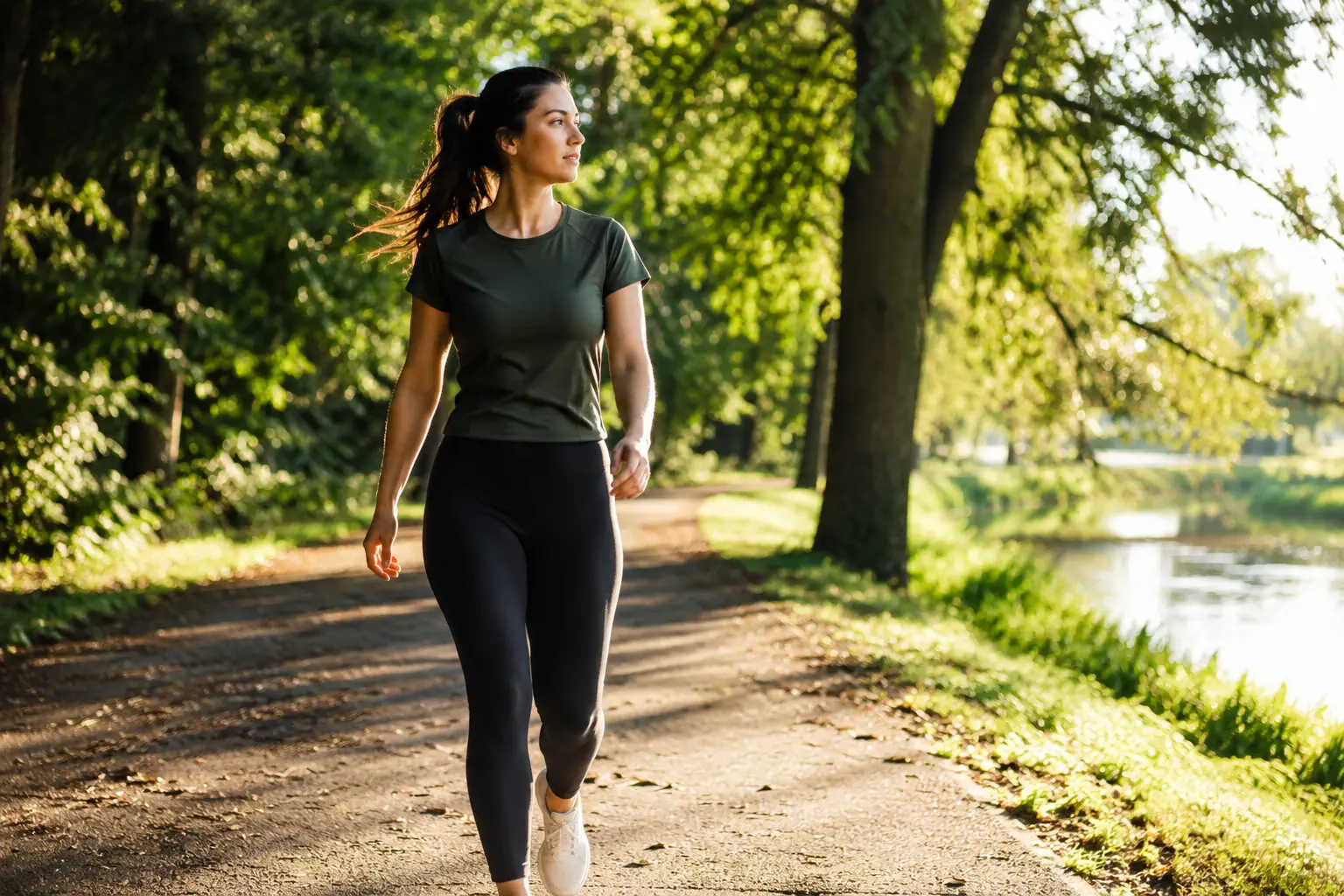
Your blood sugar crashes mid-afternoon, you feel foggy and exhausted, and you have no idea why, but walking after meals blood sugar control might be the simple fix you’ve been missing.
The benefits of walking after meals
Walking after meals works because it forces your muscles to pull glucose directly from your bloodstream without requiring as much insulin. When you take even a 10-minute stroll after eating, your body shifts into a different metabolic mode. Instead of that glucose spike that leaves you jittery and then crashed, your blood sugar rises gradually and stays more stable. Think of it like this: after lunch, instead of sitting at your desk, you walk to get water or take a lap around the building. Your leg muscles are working, they need fuel, and they grab that glucose before it floods your system. Beyond blood sugar, walking aids digestion by gently stimulating your gut muscles, which means less bloating and that uncomfortable heavy feeling after meals. Your metabolism also gets a small boost, which compounds over time. Women especially benefit because hormonal fluctuations can make blood sugar swings feel more intense, and this simple habit helps smooth those out.
- Enhances insulin sensitivity
- Aids in digestion
- Prevents post-meal bloating
- Boosts metabolism
- Helps burn calories
How to incorporate walking after meals into your routine
Start small and build the habit gradually. Pick one meal first, usually lunch, since you have more control over your environment at work or home. Walk for just 5 minutes if that feels manageable, then increase to 10 minutes as it becomes automatic. A practical approach: set a phone reminder 5 minutes after you finish eating. This creates a trigger that eventually becomes second nature. Use a basic pedometer or your phone’s step counter to track progress, which gives you concrete evidence that the habit is sticking. Find a walking buddy if possible, whether that’s a coworker, friend, or family member. Knowing someone is counting on you makes it harder to skip. If you work from home, walk around your house or yard. If you’re at the office, take the stairs, walk to a different floor, or loop the parking lot. The key is movement, not perfection. Some women find that walking after dinner helps them wind down before bed, while others prefer morning walks after breakfast. Experiment to find what fits your life.
📘 Fix your day in under 2 minuteschoose where to begin:
Timing and duration matters
The sweet spot is 10 to 15 minutes of walking within 15 to 30 minutes after finishing a meal. This is when your blood sugar is rising fastest, and your muscles are primed to absorb glucose. You do not need to walk fast or hard. A moderate, conversational pace is ideal. You should be able to talk but not sing. This intensity level aids digestion without stressing your system or causing discomfort. Walking too vigorously right after eating can actually redirect blood flow away from your digestive system, which defeats the purpose. Avoid intense exercise like running or high-intensity interval training immediately after meals. However, light walking is gentle enough that it supports digestion rather than interfering with it. If you walk after dinner, aim to finish your walk at least 2 to 3 hours before bed, so you are not too stimulated when trying to sleep. The timing consistency matters too. Your body adapts to routines, so walking at roughly the same time each day helps your system anticipate and prepare for the activity.
Addressing common concerns
Many women worry that evening walks will keep them wired and ruin their sleep. The reality is different. Light walking after dinner actually promotes better sleep because it stabilizes blood sugar, which means fewer midnight energy crashes and more restful sleep overall. Your nervous system is calmer when blood sugar is steady. Some women also fear they will feel lightheaded or uncomfortable walking on a full stomach. Start with smaller meals or wait 10 minutes after eating before you walk, and you will likely feel fine. Your body adapts quickly. If you have specific health conditions like diabetes, gastroparesis, or heart issues, talk to your doctor before starting. They might have personalized recommendations based on your medications or condition. Most women find that once they get past the first week or two of building the habit, it feels natural and even enjoyable. It becomes a moment of calm in a busy day, not another chore.
Staying consistent and tracking progress
Consistency beats perfection. You do not need to walk after every single meal to see benefits. Even walking after lunch and dinner most days of the week will make a noticeable difference in how you feel. Create a simple schedule that works for your life. Write it down or set it as a recurring calendar reminder. The act of writing it down makes it feel real and committed. Keep a basic log of your walks. Jot down the date, time, duration, and how you felt afterward. Did you have more energy? Less afternoon fog? Better digestion? These notes become powerful motivation when you see patterns emerge. After a few weeks, you will likely notice that your energy is more stable, your clothes fit differently, or your mood is steadier. These are signs the habit is working. If you miss a few days, do not abandon the practice. Simply restart. Life happens. The goal is to build a sustainable habit, not achieve perfection. Some women find that tracking steps or using a fitness app adds extra motivation. Others prefer the simplicity of just walking without data. Choose what resonates with you.
Walking after meals blood sugar regulation is one of the most accessible and effective habits you can build. It requires no equipment, no gym membership, and fits into any schedule. By taking 10 to 15 minutes to walk after lunch and dinner, you stabilize your blood sugar, improve digestion, boost metabolism, and feel more energized throughout the day. The key is consistency and patience. Start with one meal, make it a routine, and expand from there. Within a few weeks, you will likely notice real changes in how you feel.
Is it better to walk before or after meals for blood sugar control?
Walking after meals is more effective for blood sugar control because it directly intercepts the glucose spike when your blood sugar is rising fastest. Walking before meals does not have the same impact on postprandial glucose levels.
Can walking after meals help with weight loss?
Yes, walking after meals supports weight loss by boosting metabolism, burning calories, and stabilizing blood sugar, which reduces cravings and overeating. The cumulative effect over weeks and months is significant, especially when combined with consistent effort.
Others also read:
Disclaimer: This article is for informational purposes only and is not a substitute for professional medical advice. Always consult a healthcare professional for personal guidance.
This guide has been prepared and reviewed by the GlobalHealthBeacon editorial team and reflects current medical research as of 2026. It provides structured, evidence-based information to support informed health decisions.
