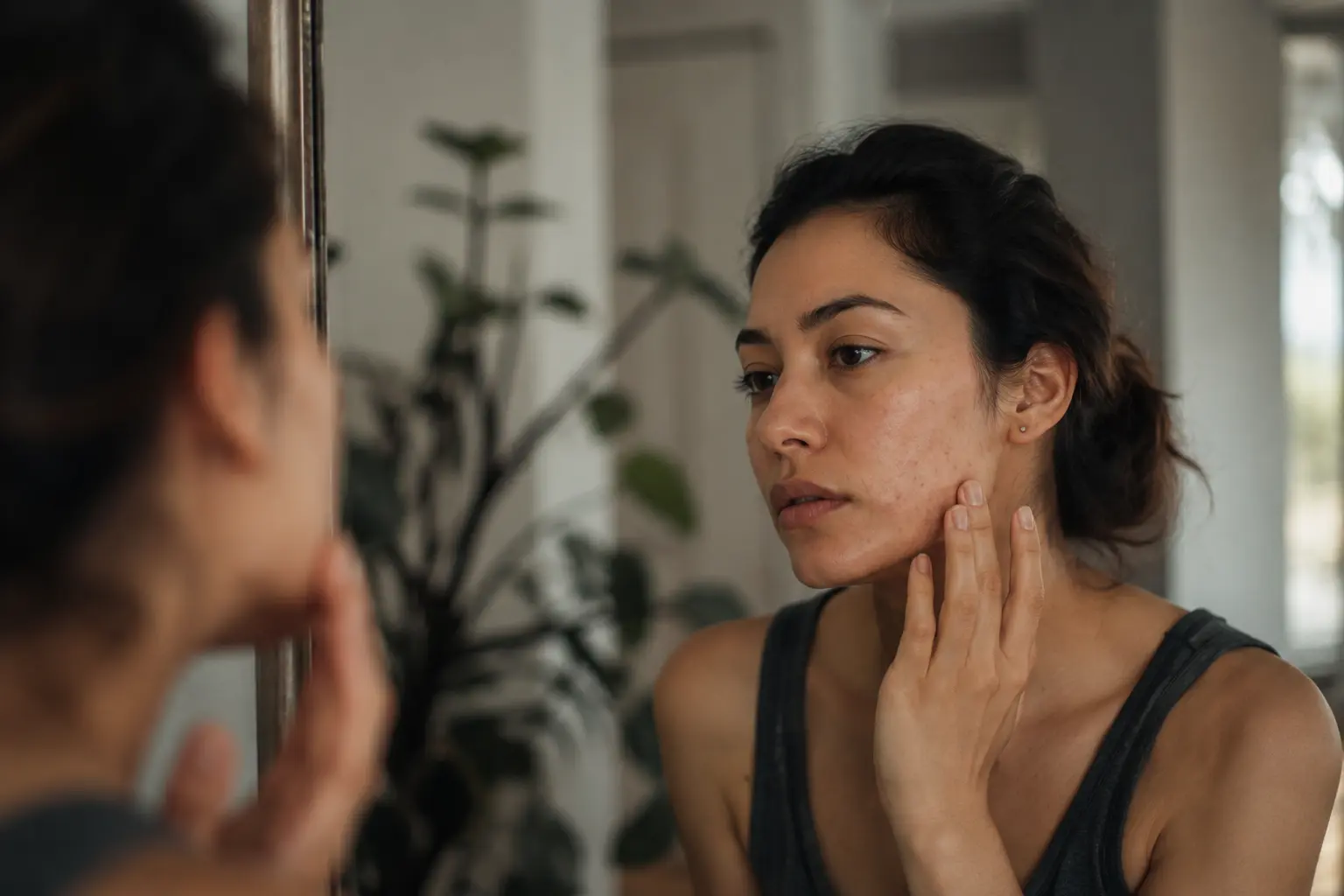
Your skin is breaking out at the worst possible time, feeling dry one week and oily the next, and you have no idea why hormonal skin changes are hijacking your complexion like this.
Hormones and skin health
Hormones function as chemical messengers in your body, orchestrating everything from mood to metabolism, and your skin is one of their most visible targets. When hormone levels shift, your skin responds almost immediately because hormones directly influence oil gland activity, inflammation, and cell turnover. Consider testosterone, which peaks during puberty and certain times of the menstrual cycle. When testosterone levels rise, sebaceous glands become more active and produce excess sebum, the oily substance that protects skin but can trap bacteria and dead skin cells in pores, creating the perfect environment for acne. A young adult might notice breakouts clustering around specific times of their cycle or after intense workouts when testosterone temporarily spikes. Understanding this connection helps explain why your skin might feel perfectly balanced one month and then suddenly rebellious the next, even when you haven’t changed your skincare routine at all.
Estrogen and skin elasticity
Estrogen is like your skin’s best friend, responsible for maintaining that plump, firm, youthful appearance you probably take for granted in your twenties. This hormone stimulates collagen and elastin production, the structural proteins that keep skin bouncy and resilient. Estrogen also helps skin retain moisture by supporting the lipid barrier, that protective layer that prevents water loss. When estrogen levels fluctuate during the menstrual cycle, you might notice your skin feels tighter around ovulation and then becomes drier as estrogen dips before menstruation. Fast forward to menopause, and estrogen levels drop significantly, which is why many people experience a sudden shift in skin texture, increased dryness, and the appearance of fine lines that seem to multiply overnight. Young adults might not think about this yet, but understanding how estrogen works helps explain why your mom or older sister suddenly complained about skin changes they never had before.
Steps to manage hormonal skin changes
Managing hormonal skin changes requires a multi-layered approach because topical products alone cannot address what’s happening at a hormonal level. Start by tracking your skin patterns alongside your menstrual cycle if applicable, noting when breakouts appear, when skin feels driest, or when sensitivity peaks. This data becomes invaluable when consulting a dermatologist because you can show them concrete patterns rather than vague complaints. A dermatologist can assess whether your skin issues stem from hormonal fluctuations or other causes, and they might recommend targeted treatments like retinoids for acne-prone phases or richer moisturizers for dry phases. Beyond professional help, consistency matters enormously. Using the same gentle cleanser, appropriate moisturizer, and sunscreen daily creates a stable foundation that helps your skin weather hormonal ups and downs. Lifestyle factors amplify these efforts: staying hydrated supports skin barrier function, eating foods rich in omega-3 fatty acids reduces inflammation, and managing stress prevents cortisol spikes that can trigger breakouts.
- Track your skin changes alongside your cycle to identify patterns and timing.
- Consult a dermatologist with your data to get personalized treatment recommendations.
- Build a consistent skincare routine using gentle, appropriate products for your skin type.
- Prioritize hydration, balanced nutrition, and stress management to support skin health from within.
🔬 Science-backed benefits in 2 minuteschoose where to begin:
Impact of stress hormones
Stress hormones like cortisol and adrenaline flood your system whenever you feel anxious, overwhelmed, or under pressure, and your skin pays the price almost immediately. Cortisol triggers inflammation throughout your body, including in your skin, which is why you might notice redness, sensitivity, or sudden breakouts during stressful periods like exam season or work deadlines. Chronic stress keeps cortisol elevated, creating a persistent inflammatory state that can aggravate conditions like eczema, psoriasis, and rosacea. The mechanism is straightforward: elevated cortisol suppresses immune function and disrupts the skin barrier, making it more permeable and reactive to irritants. A young adult juggling school, work, and social pressures might notice their skin flares up predictably during high-stress weeks, then gradually improves once things calm down. This isn’t imaginary or coincidental. Managing stress through exercise, meditation, adequate sleep, or even just taking walks outdoors genuinely reduces cortisol levels and gives your skin a chance to calm down and heal.
Thyroid hormones and skin metabolism
Your thyroid gland produces hormones that regulate metabolic rate, affecting how quickly your body processes nutrients and regenerates cells, including skin cells. An overactive thyroid, called hyperthyroidism, accelerates metabolism and skin cell turnover, which sounds beneficial but actually creates problems. Rapid cell turnover means skin sheds faster than it can maintain its barrier, resulting in dryness, flaking, and a rough texture that no moisturizer seems to fix. The skin also appears flushed and warm because increased metabolism generates more heat. Conversely, an underactive thyroid, called hypothyroidism, slows everything down, including skin cell renewal. Skin becomes dull, pale, and thick because dead cells accumulate rather than shedding normally. Hair and nails also suffer, becoming brittle and slow-growing. Young adults with thyroid issues might struggle with unexplained skin changes that don’t respond to standard skincare, which is why thyroid function testing becomes important when skin problems seem disconnected from obvious causes like diet or hormonal cycles.
Melatonin and skin repair
Melatonin is famous for regulating your sleep-wake cycle, but this hormone does far more than help you fall asleep. During sleep, melatonin acts as a potent antioxidant, neutralizing free radicals generated by sun exposure, pollution, and normal cellular processes throughout the day. This nighttime repair window is when your skin actually regenerates, producing new collagen and elastin while you rest. Melatonin also reduces inflammation and supports the skin barrier’s ability to retain moisture. When you consistently get inadequate sleep or maintain an irregular sleep schedule, melatonin production becomes erratic, and your skin misses its critical repair window. You might notice increased sensitivity, slower healing of blemishes, and accelerated signs of aging. Young adults burning the candle at both ends with late nights and early mornings often complain about tired-looking skin that feels reactive and inflamed. Prioritizing consistent sleep schedules and aiming for seven to nine hours nightly isn’t just about feeling rested; it’s literally giving your skin the hormonal environment it needs to repair and regenerate itself.
Your hormones and skin are in constant conversation, with fluctuations in testosterone, estrogen, cortisol, thyroid hormones, and melatonin all leaving visible marks on your complexion. Rather than fighting these natural rhythms, understanding them empowers you to work with your body instead of against it. A holistic approach combining professional guidance, consistent skincare tailored to your skin’s changing needs, stress management, adequate sleep, and nutritional support addresses hormonal skin changes from multiple angles. This isn’t about achieving perfect skin; it’s about understanding why your skin behaves the way it does and giving it what it actually needs.
Can hormonal imbalances cause skin problems?
Yes, hormonal imbalances directly trigger various skin issues including acne, dryness, sensitivity, and accelerated aging. Hormones control oil production, inflammation, cell turnover, and barrier function, so when they fluctuate abnormally, skin responds visibly. A healthcare professional can test thyroid function, hormone levels, and other factors to identify whether hormonal imbalance is the root cause of your skin problems.
How can I manage hormonal skin changes?
Managing hormonal skin changes involves multiple strategies working together. Track your skin patterns to identify timing and triggers, consult a dermatologist for personalized recommendations, maintain a consistent skincare routine suited to your skin type, prioritize sleep and stress management, stay hydrated, and eat a balanced diet rich in anti-inflammatory foods. Professional treatments like retinoids or hormonal medications might be recommended depending on your specific situation.
Others also read:
Disclaimer: This article is for informational purposes only and is not a substitute for professional medical advice. Always consult a healthcare professional for personal guidance.
This article has been prepared and reviewed by the GlobalHealthBeacon editorial team and is based on current medical research and published scientific literature available in 2026. It provides structured, evidence-based information to support informed health decisions.

