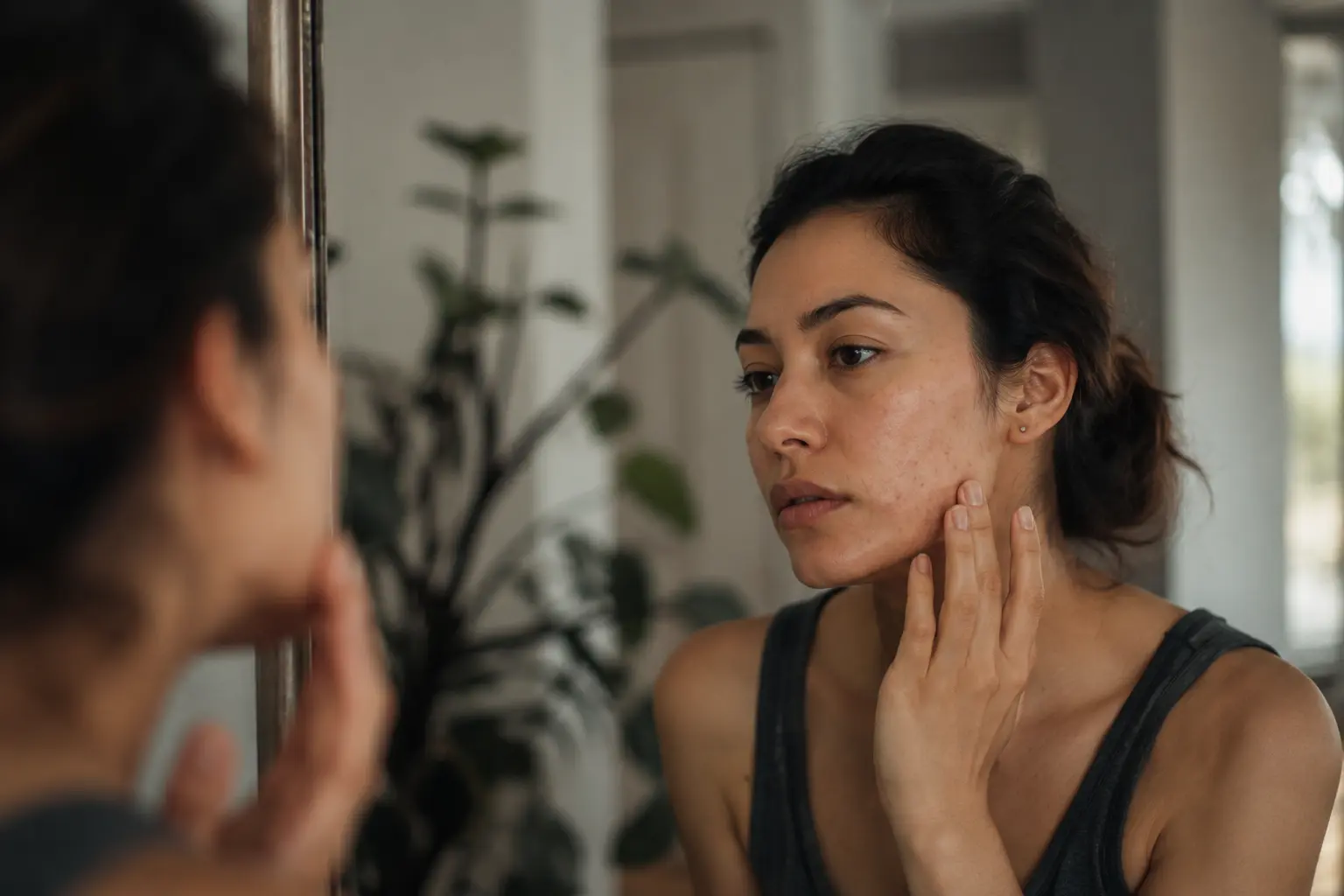
You wake up three days before your period and feel that familiar tingle on your chin, knowing exactly what’s coming next, because hormonal skin changes have become your unwelcome monthly companion that no amount of skincare seems to fully control.
Understanding hormonal skin changes
Hormonal skin changes often feel like a betrayal by your own body. Picture this: you’ve had clear skin for weeks, then suddenly your chin erupts in painful cystic bumps right before your cycle. This happens because fluctuations in estrogen and progesterone levels directly influence how much oil your skin produces. During the luteal phase of your cycle, progesterone spikes, triggering your sebaceous glands to work overtime. Your pores become clogged more easily, bacteria thrive in that excess oil, and inflammation follows. It’s not just about the breakouts either. Many women describe their skin feeling thicker, more congested, and sensitive during these phases. The frustration deepens when you realize that genetics, stress levels, sleep quality, and even your diet all amplify these hormonal signals. Understanding this connection is the first step toward feeling less helpless and more informed about what’s actually happening beneath your skin’s surface.
- The menstrual cycle directly impacts the skin’s oil production and can result in premenstrual breakouts.
- Hormonal imbalances, stress, lifestyle factors, and genetics can all contribute to the severity of hormonal acne.
- Consulting a dermatologist or healthcare professional can help identify personalized treatment options to manage hormonal skin changes effectively.
Coping strategies for hormonal acne
Managing hormonal acne requires patience and experimentation because what works for your friend might not work for you. Start with a gentle cleansing routine using lukewarm water and a mild cleanser twice daily, avoiding harsh scrubbing that irritates already inflamed skin. Switch to non-comedogenic products labeled as won’t clog pores, and this includes your moisturizer, sunscreen, and makeup. Many women find that tracking their breakouts alongside their cycle reveals patterns they never noticed before, helping them anticipate flare-ups and adjust their skincare accordingly. During high-hormone phases, some reduce active ingredients like retinol or vitamin C and focus on calming, hydrating products instead. Stress-reducing practices matter more than you might think. Yoga, meditation, or even a 15-minute walk can lower cortisol levels, which directly influence sebum production. Sleep quality also plays a role, as poor sleep increases inflammation throughout your body, including your skin. Consider keeping a simple journal noting when breakouts occur, what products you used, stress levels, and sleep quality. This detective work often reveals your unique triggers and helps you make smarter choices moving forward.
💬 Ready to feel better in 2 minutes?choose where to begin:
Embracing self-care amidst hormonal skin challenges
The emotional toll of hormonal acne often gets overlooked, yet it’s real and valid. You might find yourself avoiding social situations, skipping photos, or feeling frustrated that your skin doesn’t cooperate with your plans. Self-compassion becomes essential here. Your skin is responding to biological signals beyond your control, not a reflection of your worth or cleanliness. Many women report that shifting their mindset from fighting their acne to accepting their skin’s natural rhythms brings unexpected relief. This doesn’t mean giving up on treatment, but rather releasing the shame and perfectionism that often accompany breakouts. Practice gentle affirmations when you look in the mirror, focusing on what your skin does for you rather than its appearance. Seek community through online forums or support groups where women share their hormonal acne journeys openly. Hearing someone else describe the exact same cystic breakout on their jawline or the relief they felt after finding a solution can be incredibly validating. Remember that imperfections are genuinely part of being human, and your skin’s temporary flaws don’t define you.
Finding long-term solutions for hormonal skin health
When topical treatments and lifestyle adjustments aren’t enough, exploring additional options with a healthcare provider becomes worthwhile. Some women discover that dietary changes make a measurable difference. Reducing refined sugars, limiting dairy, and increasing omega-3 rich foods like fatty fish or flaxseeds can help reduce inflammation from the inside out. Others find relief through hormonal therapies like birth control pills or spironolactone, which regulate the hormonal fluctuations triggering breakouts. These aren’t quick fixes, though. Most hormonal treatments require three to six months before you notice real improvement, demanding patience and consistent use. Holistic approaches like acupuncture, herbal supplements such as spearmint tea, or working with a nutritionist can complement medical treatments. The key is understanding that your body is unique. What clears someone else’s skin might not work for you, and that’s okay. Working closely with a dermatologist or healthcare provider who listens to your concerns and adjusts your plan based on your results creates the best path forward. Long-term skin wellness comes from treating hormonal acne as a manageable condition requiring personalized strategy, not a problem requiring perfection.
Exploring the complexities of hormonal skin changes, women are learning to cope with the challenges through personalized strategies and self-care practices. By embracing their skin journey with resilience and seeking professional guidance, they navigate the ups and downs of hormonal acne with grace and determination.
Can hormonal acne be triggered by certain foods?
While individual responses vary, some people find that specific foods high in sugar, dairy, or processed ingredients can worsen hormonal acne. Maintaining a balanced diet rich in fruits, vegetables, and whole grains may help support clearer skin.
Is hormonal acne a lifelong condition?
Hormonal acne typically improves with age, especially after hormonal fluctuations stabilize post-adolescence. However, some individuals may experience persistent acne into adulthood and may require ongoing management strategies to control breakouts.
Others also read:
Disclaimer: This article is for informational purposes only and is not a substitute for professional medical advice. Always consult a healthcare professional for personal guidance.
This article presents an experience-based perspective and has been reviewed by the GlobalHealthBeacon editorial team in 2026. It provides structured, evidence-based information to support informed health decisions.

