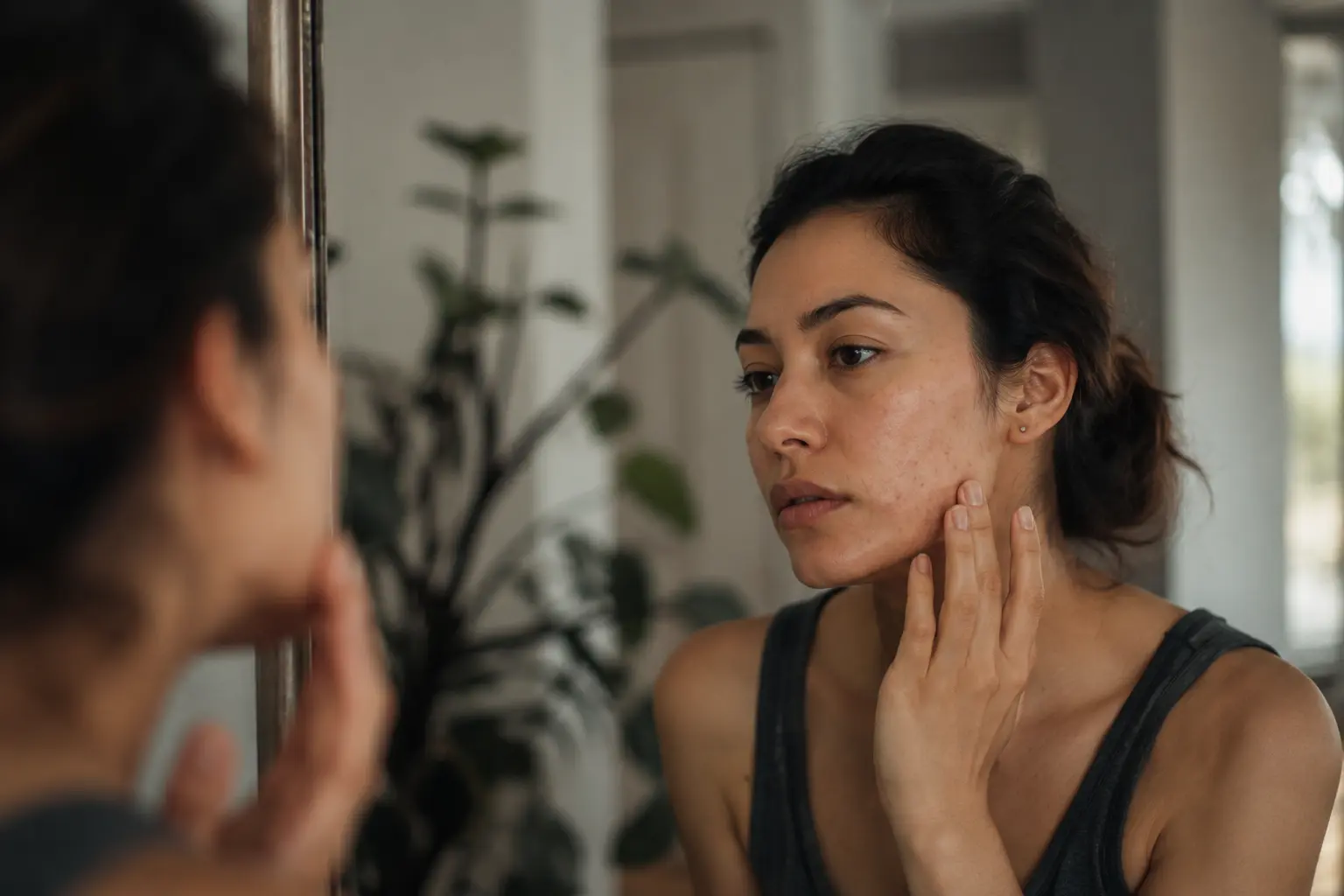
Your skin suddenly feels like a stranger’s, breaking out one day and flaking off the next, and you’re exhausted trying to figure out what actually works for hormonal skin changes during menopause.
Revitalizing moisturizers for menopausal skin
Remember when your skin used to bounce back? During menopause, plummeting estrogen levels strip away that natural moisture barrier, leaving you with skin that feels tight, looks dull, and shows every fine line. A woman in her late 50s shared how she spent months trying drugstore moisturizers before discovering that ingredients like hyaluronic acid and ceramides actually made a difference. Hyaluronic acid works by drawing moisture deep into the skin, while ceramides repair the damaged barrier that hormonal shifts have weakened. She noticed within two weeks that her foundation stopped clinging to dry patches, and by month two, those stubborn lines around her mouth softened noticeably. The key is consistency and choosing formulas thick enough to truly nourish, not just sit on the surface.
- Hydrate and nourish dry, aging skin
- Boost collagen production for improved elasticity
- Minimize the signs of aging such as wrinkles and fine lines
Gentle cleansers for sensitive menopausal skin
Menopausal skin doesn’t just get drier, it becomes reactive and unpredictable. Many women make the mistake of using the same harsh cleansers they relied on for decades, only to find their skin burning and turning red. One 62-year-old discovered this the hard way when her favorite foaming cleanser suddenly left her skin raw and irritated. She switched to a fragrance-free, creamy cleanser with aloe vera and chamomile, and within days the redness calmed down. These gentle formulas respect your skin’s compromised barrier instead of stripping away protective oils. Look for products labeled hypoallergenic and free from sulfates, alcohol, and artificial fragrances. The goal is to cleanse without disrupting the delicate balance your skin is already struggling to maintain during hormonal transition.
💬 Ready to feel better in 2 minutes?choose where to begin:
Serums and treatments to combat hyperpigmentation
Hyperpigmentation sneaks up on many menopausal women like unwelcome guests. Dark spots appear on cheeks, forehead, and hands, making skin look uneven and aged. One woman in her mid-50s felt self-conscious about the brown patches that seemed to multiply after years of sun exposure combined with hormonal shifts. She invested in a vitamin C serum used each morning, followed by a niacinamide treatment at night, and noticed gradual lightening over three months. Vitamin C brightens and boosts collagen, while niacinamide reduces inflammation and evens tone. Kojic acid is another powerful option for stubborn spots. These serums work best when layered correctly and paired with consistent sunscreen, as sun exposure will only deepen existing pigmentation.
Sunscreen: a crucial step in menopause skincare
You might think sunscreen is just for beach days, but during menopause it becomes your skin’s best defense against premature aging. Menopausal skin is thinner and more vulnerable to UV damage, making sun protection non-negotiable. A dermatologist-recommended routine for a 58-year-old client involved applying broad-spectrum SPF 30 every single day, even on cloudy mornings. Within six months of this habit, she noticed her existing sun damage didn’t worsen, and her skin tone looked more uniform. Many women skip this step because they think their moisturizer with SPF is enough, but dermatologists emphasize that you need a dedicated sunscreen product applied generously to actually get the protection labeled. Make it part of your morning ritual, reapply if you’re outdoors, and watch how much more radiant your skin becomes.
Discover how menopause skincare products can transform your skin by addressing dryness, sensitivity, hyperpigmentation, and sun protection. From revitalizing moisturizers to gentle cleansers and targeted serums, find out how these products can help mature skin regain its healthy glow.
Can menopause skincare products help with hormonal acne?
Certain menopause skincare products formulated with ingredients like salicylic acid or benzoyl peroxide can help manage hormonal acne by unclogging pores and reducing inflammation. However, it’s essential to consult a dermatologist for personalized recommendations.
Are natural remedies effective for menopausal skin changes?
Natural remedies like coconut oil, shea butter, and aloe vera can provide some relief for menopausal skin changes, but they may not address all concerns such as hyperpigmentation or collagen loss. Combining natural products with specialized skincare can yield better results.
Others also read:
Disclaimer: This article is for informational purposes only and is not a substitute for professional medical advice. Always consult a healthcare professional for personal guidance.
This article presents an experience-based perspective and has been reviewed by the GlobalHealthBeacon editorial team in 2026. It provides structured, evidence-based information to support informed health decisions.

