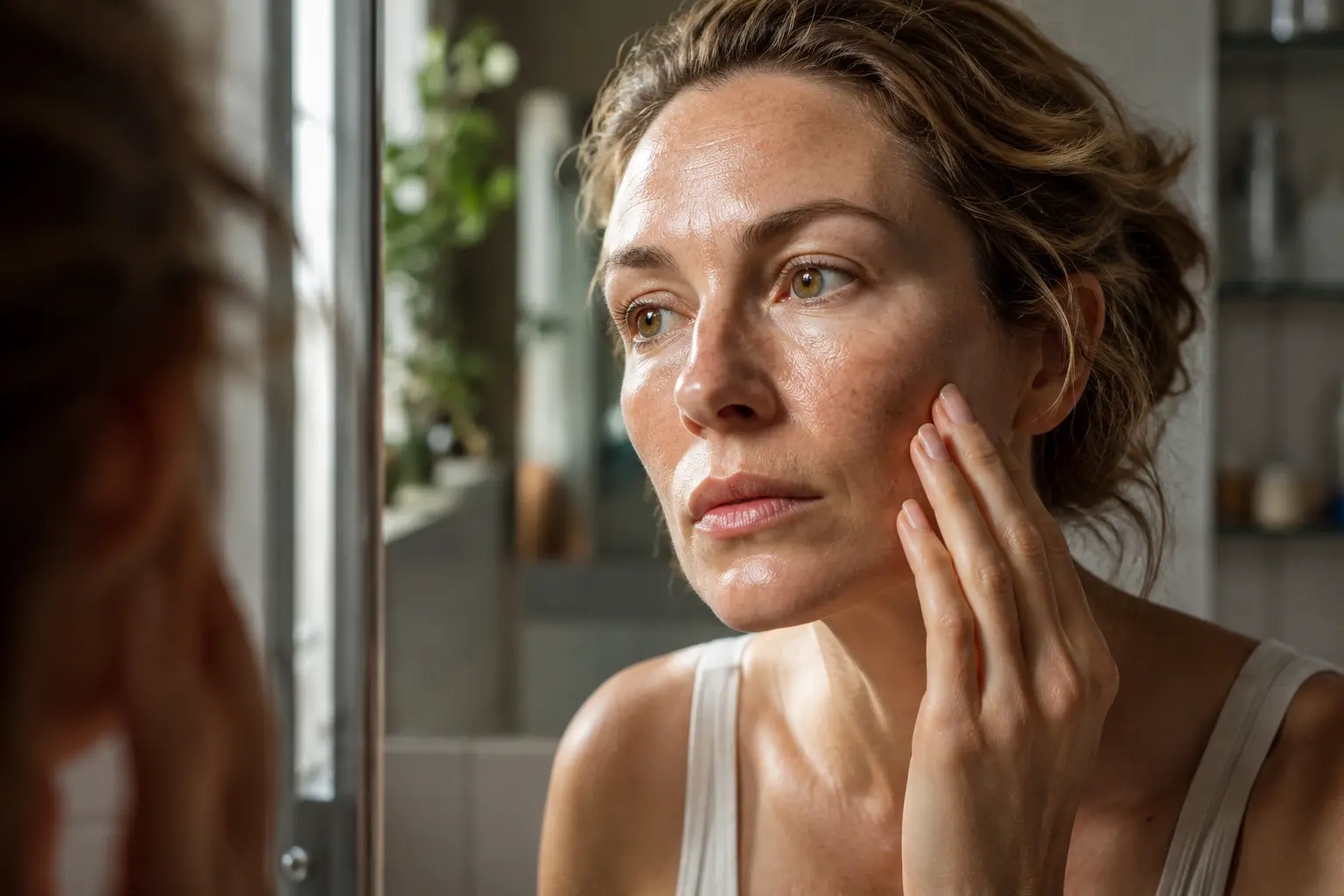
Your skin is screaming for help after years of sun exposure, and you’re tired of watching those dark spots multiply and fine lines deepen every time you look in the mirror, so let’s talk about what actually works in a real sun damage repair routine.
Topical treatments for sun damage repair
Topical treatments form the foundation of most sun damage repair routines because they work directly on the skin’s surface and deeper layers. Retinoids are considered gold standard by dermatologists because they boost collagen production and fade sunspots over time, though they require consistent use and patience. Vitamin C serums reduce inflammation and brighten skin by neutralizing free radicals that accumulate from sun exposure, making your complexion look fresher and more even. Hydroquinone works by inhibiting melanin production to minimize pigmentation and even out skin tone, though it’s most effective when combined with other treatments. A realistic timeline involves using these products for 8 to 12 weeks before noticing significant improvement. Many women make the mistake of switching products too quickly or using them inconsistently, which undermines results. Start with one product, use it nightly as directed, and give your skin time to adapt before adding another treatment to your routine.
- Retinoids stimulate cell turnover for smoother skin texture.
- Vitamin C neutralizes free radicals and improves skin radiance.
- Hydroquinone inhibits melanin production to minimize pigmentation.
Dermatological procedures for sun damage repair
When topical treatments alone aren’t delivering the results you want, dermatological procedures offer more aggressive sun damage repair options. Chemical peels remove damaged skin layers by using controlled acids to dissolve the outer skin, revealing fresher, less damaged skin underneath, with results visible after just one or two sessions. Laser therapy targets pigmented areas and stimulates collagen production simultaneously, making it effective for both dark spots and overall skin texture improvement, though it requires multiple sessions spaced weeks apart. Microdermabrasion exfoliates dead skin cells mechanically and promotes cell renewal, working best for mild to moderate sun damage and often requiring a series of treatments for optimal results. Consider a hypothetical scenario: a 45-year-old woman with significant sun damage from decades of outdoor activities might start with a series of laser treatments every 4 weeks, then maintain results with monthly chemical peels. These procedures do require downtime and can be costly, so discuss realistic expectations and recovery periods with your dermatologist before committing.
📘 Fix your day in under 2 minuteschoose where to begin:
Sun protection as a vital preventive measure
Prevention is genuinely more effective than repair, which is why sun protection deserves equal attention in your sun damage repair routine. Using broad-spectrum sunscreen daily shields skin from both UVA and UVB rays that cause damage and accelerated aging, and this should be non-negotiable regardless of weather or season. Wearing protective clothing like lightweight long sleeves, wide-brimmed hats, and UV-blocking sunglasses creates a physical barrier that sunscreen alone cannot provide, especially during extended outdoor time. Seeking shade during peak sun hours between 10 AM and 4 PM significantly reduces UV exposure when rays are strongest and most damaging. Reapplying sunscreen every two hours, or immediately after swimming or sweating, maintains continuous defense throughout the day. Many women underestimate how much sunscreen they need, typically applying only one quarter of the recommended amount, which dramatically reduces effectiveness. Make it a habit to reapply after lunch, mid-afternoon, and whenever you’ve been in water, treating sun protection like a non-negotiable part of your daily routine.
Natural remedies to aid in sun damage repair
Natural remedies can complement clinical treatments and provide soothing relief while your skin heals from sun damage. Aloe vera soothes sunburns and hydrates sun-damaged skin with its cooling properties and polysaccharide content, making it especially helpful after intense sun exposure or following procedures. Green tea reduces inflammation and prevents premature aging through its powerful antioxidants, which can be applied as a cooled tea compress or used in products formulated with green tea extract for daily benefits. Coconut oil hydrates and nourishes dry, sun-exposed skin, though it’s best used at night since it can feel heavy during the day and may clog pores in some individuals. A practical example involves using aloe vera gel immediately after a beach day to calm inflammation, then switching to a green tea mask twice weekly as part of your evening routine. However, natural remedies work more slowly than clinical treatments and shouldn’t replace dermatologist-recommended therapies for significant sun damage. Think of them as supportive players in your overall sun damage repair strategy rather than standalone solutions.
Healthy habits for sun-damaged skin recovery
Your skin’s ability to repair itself depends heavily on what you do beyond topical treatments and procedures. Staying hydrated by drinking adequate water promotes skin elasticity and regeneration at the cellular level, with most experts recommending at least 8 glasses daily, though individual needs vary based on activity level and climate. Maintaining a balanced diet rich in antioxidants like berries, leafy greens, and fatty fish provides the nutritional building blocks your skin needs to rebuild collagen and repair damage from within. Getting adequate sleep allows skin cells to regenerate effectively because growth hormone peaks during deep sleep stages, when your body prioritizes tissue repair and renewal. Consider a realistic scenario where a woman combines her topical retinoid treatment with improved sleep habits, increased water intake, and weekly antioxidant-rich meals, then tracks visible improvements in skin texture and tone over 12 weeks. These foundational habits cost nothing but consistency, and they amplify the effectiveness of every other sun damage repair method you’re using. Skip these basics and even expensive treatments deliver disappointing results.
Effective sun damage repair involves using topical treatments, dermatological procedures, sun protection, natural remedies, and adopting healthy habits to rejuvenate and protect your skin.
Are natural remedies as effective as clinical treatments for sun damage repair?
Natural remedies can provide some benefits but may not be as potent as clinical procedures. Combining both approaches can yield optimal results.
How long does it take to see results from sun damage repair methods?
Results vary depending on the treatment used. Some treatments show improvements in a few weeks, while others may require several months for noticeable changes.
Others also read:
Disclaimer: This article is for informational purposes only and is not a substitute for professional medical advice. Always consult a healthcare professional for personal guidance.
This guide has been prepared and reviewed by the GlobalHealthBeacon editorial team and reflects current medical research as of 2026. It provides structured, evidence-based information to support informed health decisions.
