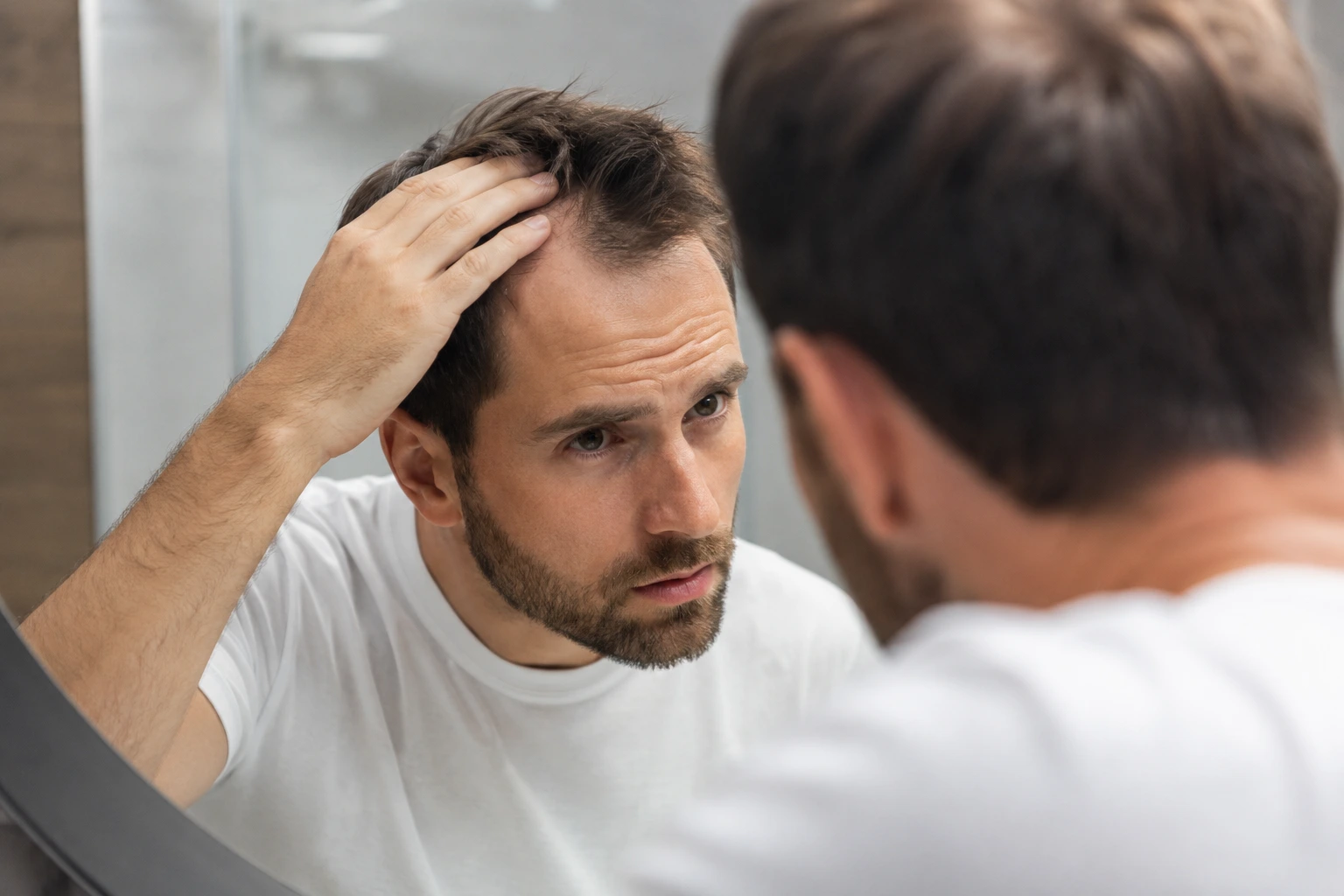
You’re noticing more hair in the shower drain, your part looks wider than it used to, and honestly, it’s starting to worry you – but understanding hair thinning early signs is exactly what you need right now to take back control.
Recognizing early signs of hair thinning
Hair thinning doesn’t happen overnight, and that’s actually good news because it gives you time to notice and respond. Start by paying close attention to your daily routine. When you shower, look at how much hair collects in the drain or on your hands. Losing 50 to 100 hairs daily is normal, but if you’re seeing noticeably more, that’s your first signal. Next, examine your part line in the mirror under good lighting. Many seniors report their part gradually widening over months, revealing more scalp than before. You might also notice your ponytail feels thinner or your hair takes longer to style because there’s simply less volume to work with. Some people describe it as their hair feeling wispy or lacking the density it once had. Keep a simple log for two weeks: note how much hair you lose when brushing, whether your hairline or part looks different, and if you can see your scalp more easily than six months ago. This concrete observation helps you distinguish between normal shedding and actual thinning.
- Pay attention to increased hair loss during showers or brushing
- Observe if your part appears wider than before
- Take note if you see a decrease in hair density overall
Understanding the underlying causes
Hair thinning in seniors stems from multiple sources, and identifying yours is crucial for choosing the right path forward. Genetics plays the largest role – if your parents or grandparents experienced hair loss, your risk is higher. Hormonal shifts are equally important, especially for women going through or past menopause, when estrogen decline directly affects hair growth cycles. Nutritional deficiencies are surprisingly common and often overlooked. If you’re not getting enough iron, vitamin D, B vitamins, zinc, or protein, your hair suffers first because your body prioritizes vital organs. Medical conditions like thyroid disorders, autoimmune diseases, or anemia can trigger sudden thinning. Certain medications, including blood pressure drugs, anticoagulants, and some antidepressants, list hair loss as a side effect. Stress and poor sleep quality also accelerate hair loss by pushing more follicles into a resting phase. A dermatologist can run simple blood tests to check nutrient levels and thyroid function, helping pinpoint exactly what’s happening in your specific case.
📘 Fix your day in under 2 minuteschoose where to begin:
Exploring treatment options
Once you understand what’s causing your hair thinning, treatment becomes more targeted and effective. Topical minoxidil, available over the counter as Rogaine, works by extending the growth phase of hair follicles and can show results within three to six months of consistent use. If genetics is your primary driver, this is often the first line of defense. Oral medications like finasteride require a prescription but work differently by blocking the hormone responsible for hair loss in some people. Dietary adjustments can be surprisingly powerful: increase protein intake through lean meats, fish, eggs, or legumes; add iron-rich foods like spinach and lentils; and consider a daily vitamin D supplement if you live in a northern climate or spend limited time outdoors. Some seniors find that addressing nutritional gaps alone halts further thinning. Low-level laser therapy devices are emerging as a non-drug option, though results vary. Hair transplantation is available but typically reserved for more advanced cases. The key is starting early and being consistent – most treatments require three to six months before you see measurable improvement, so patience and adherence matter enormously.
Embracing natural remedies
Beyond conventional medicine, several natural approaches show promise for supporting hair health and slowing progression. Scalp massages increase blood flow to hair follicles and take just five minutes daily – use your fingertips to apply gentle circular pressure across your entire scalp for five to ten minutes. Some seniors report this simple habit noticeably improves hair thickness over months. Essential oils like rosemary and peppermint have research suggesting they may stimulate follicles; mix a few drops with a carrier oil like coconut oil and massage into your scalp twice weekly. Herbal supplements like saw palmetto, biotin, and ashwagandha are popular, though evidence is mixed – always discuss these with your doctor first because they can interact with medications. Dietary additions matter too: foods rich in omega-3 fatty acids like salmon and walnuts support scalp health, while green tea contains compounds that may protect hair follicles. Reducing heat styling and switching to silk pillowcases minimizes mechanical damage. Stress reduction through gentle yoga, meditation, or walks also helps since chronic stress accelerates hair loss. Natural remedies work best as part of a comprehensive approach rather than standalone solutions.
Seeking professional advice
If you’ve noticed hair thinning early signs and want to move forward with confidence, professional guidance is your best investment. Start with your primary care physician, who can review your medications and order basic blood work to rule out thyroid problems, anemia, or nutrient deficiencies. If your doctor suspects pattern hair loss or a scalp condition, ask for a referral to a dermatologist. Dermatologists specialize in scalp health and can examine your hair under magnification, assess the pattern of loss, and recommend evidence-based treatments tailored to your situation. A trichologist is another specialist who focuses exclusively on hair and scalp health. During your appointment, bring a list of all medications and supplements you take, note any recent major life changes or illnesses, and describe when you first noticed changes. Be honest about your expectations – some treatments slow loss rather than regrow hair, and that’s still a meaningful win. Many insurance plans cover dermatology visits, especially if there’s an underlying medical cause. Getting professional input early often prevents unnecessary worry and helps you avoid ineffective treatments or common mistakes like using products not suited to your specific type of hair loss.
Hair thinning in seniors can manifest in various ways, including increased shedding, a widening part, or decreased hair density. Understanding the underlying causes, exploring treatment options, embracing natural remedies, and seeking professional advice are crucial steps in managing this condition effectively.
Are there any lifestyle changes that can help prevent or slow down hair thinning?
Maintaining a balanced diet rich in essential nutrients, staying hydrated, managing stress levels, and using gentle hair care products can all contribute to promoting healthy hair growth and potentially slowing down the progression of hair thinning.
How can I differentiate between normal hair shedding and hair thinning?
Normal hair shedding typically involves losing around 50-100 hairs per day, while patterns of hair thinning may show a noticeable increase in shedding beyond this range, a visible widening part, or a decrease in overall hair volume.
Others also read:
Disclaimer: This article is for informational purposes only and is not a substitute for professional medical advice. Always consult a healthcare professional for personal guidance.
This guide has been prepared and reviewed by the GlobalHealthBeacon editorial team and reflects current medical research as of 2026. It provides structured, evidence-based information to support informed health decisions.
