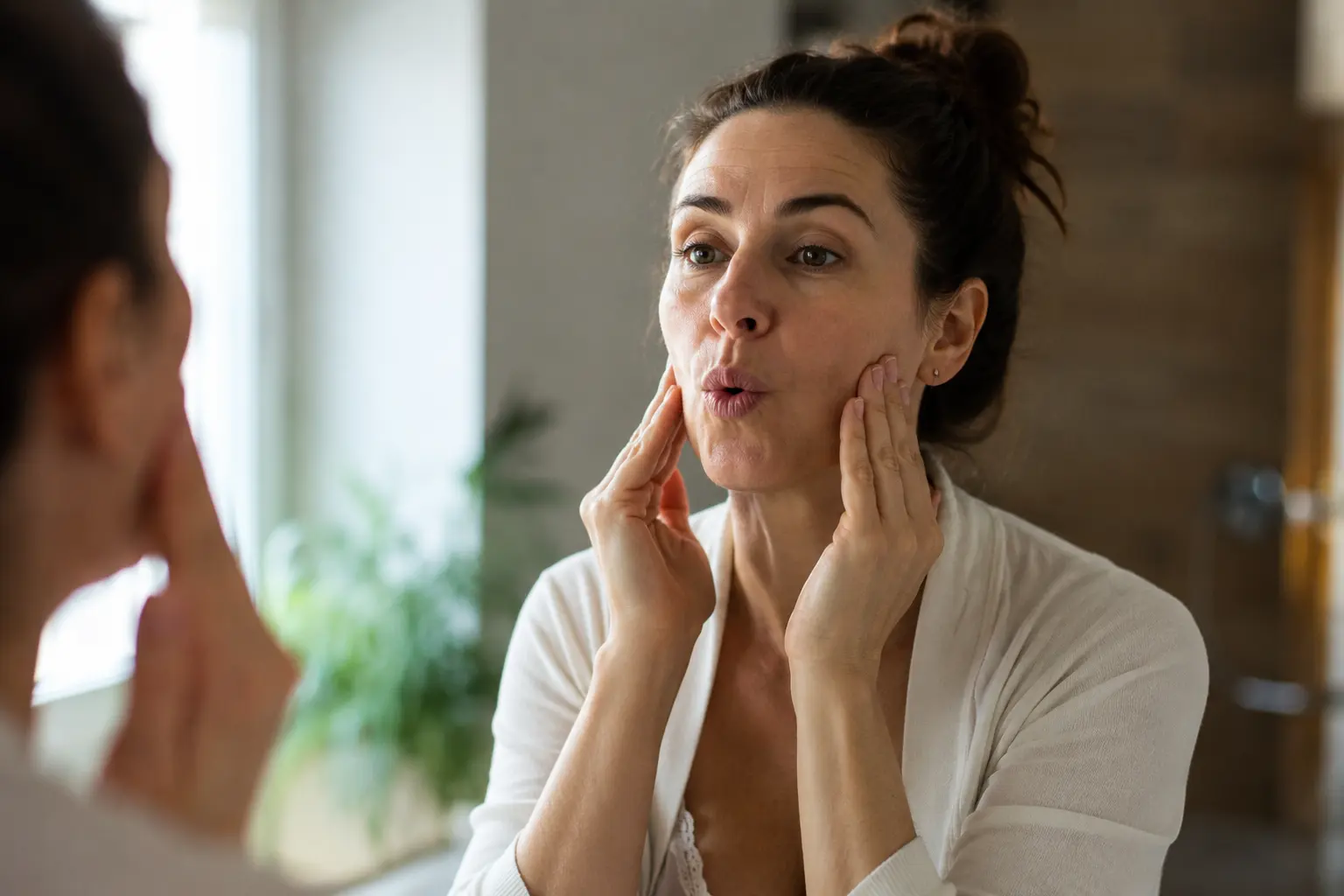
Your skin feels dull, reactive, and tired no matter what you throw at it, and you’re exhausted by the endless cycle of expensive products that promise everything and deliver nothing, but what if biohacking skin health could actually be the reset your complexion desperately needs?
Understanding skin biohacking
Biohacking skin health is fundamentally different from buying another serum or cream. It means treating your skin like a system that responds to what you feed it, how you move, how you sleep, and how you manage stress. Think of it this way: your skin is constantly communicating with your body. When you’re dehydrated, your skin tightens and looks dull. When you’re stressed, your cortisol spikes and inflammation flares up. When you skip sleep, your skin barrier weakens and loses its ability to retain moisture. Biohacking starts by recognizing these connections. You optimize nutrition by loading up on antioxidants like Vitamin C and E, which fight free radical damage at the cellular level. You prioritize hydration not just with water but with electrolytes that help your cells actually absorb it. You use stress management techniques like yoga or meditation to lower inflammation markers that show up as breakouts, redness, or sensitivity. This approach takes time because you’re not masking problems, you’re solving them from the inside out.
- Incorporate antioxidants like Vitamin C and E into your diet for glowing skin.
- Stay hydrated by drinking an adequate amount of water daily to maintain skin elasticity.
- Practice mindfulness through activities like yoga or meditation to reduce stress levels, which can impact your skin health.
The benefits of natural ingredients
Natural ingredients work differently than synthetic ones because they contain compounds your skin recognizes and can actually use. Aloe vera, for example, contains polysaccharides that penetrate the skin barrier and hydrate at a deeper level than surface moisturizers. Honey acts as both a humectant and a mild antimicrobial, making it useful for acne-prone skin without stripping the skin of its natural oils. Coconut oil has lauric acid, which has shown effectiveness against certain bacteria while maintaining the skin’s pH balance. Here’s where most women go wrong: they assume natural means gentle enough to use on everything. Coconut oil can clog pores for some skin types, and honey can trigger sensitivity in others. The key is testing one ingredient at a time, giving it at least two weeks before deciding if it works for you. A practical approach is to start with a simple routine: cleanse with a gentle, natural cleanser, apply a hydrating toner, use a targeted treatment like aloe or honey mask once or twice weekly, and seal with a lightweight oil or moisturizer. This methodical approach helps you identify what your skin actually needs rather than overwhelming it with multiple new products at once.
📘 Fix your day in under 2 minuteschoose where to begin:
Sun protection strategies
Sun damage is the single most preventable cause of premature aging, yet many women still treat sunscreen as optional or something to use only at the beach. UV rays damage skin cells every single day, even on cloudy days, even when you’re indoors near windows. This damage accumulates over years and shows up as fine lines, dark spots, loss of firmness, and increased skin cancer risk. The strategy here is non-negotiable consistency. Choose a broad-spectrum sunscreen with at least SPF 30, which blocks 97% of UVB rays. Apply it generously to your face, neck, ears, and any exposed skin at least 15 minutes before going outside. Reapply every two hours if you’re outdoors, or immediately after swimming or sweating. Many women underestimate how much sunscreen they need, using only half the recommended amount. A good rule is to use about a quarter teaspoon for your face alone. If you hate the greasy feeling, try mineral sunscreens with zinc oxide or titanium dioxide, which sit on top of the skin and feel lighter. Some women layer a hydrating serum underneath to create a moisture barrier that prevents the sunscreen from feeling heavy. This simple habit, maintained consistently, will preserve your skin’s collagen and elasticity far more effectively than any expensive anti-aging treatment.
Healthy sleep habits
Sleep is when your skin does its most important work. During deep sleep, your body increases blood flow to the skin and rebuilds collagen. Growth hormone peaks during sleep, which is why your skin looks plump and glowing after a good night and dull and puffy after a poor one. Aim for 7 to 9 hours nightly, and prioritize consistency over occasional long sleeps. Your skin responds better to a regular sleep schedule than to irregular patterns. Here’s a practical scenario: Sarah, a 38-year-old woman, noticed her fine lines were deepening and her skin looked tired despite using expensive serums. When she committed to going to bed at 10 p.m. and waking at 7 a.m. consistently for six weeks, her skin texture improved noticeably. Her dark circles faded, her complexion looked brighter, and her skin felt more resilient. The change wasn’t from a new product, it was from allowing her body to complete full sleep cycles. To support this, avoid screens one hour before bed, keep your bedroom cool and dark, and consider a silk pillowcase to reduce friction and prevent sleep creases that can become permanent lines over time. Sleep quality matters as much as duration, so address issues like snoring, sleep apnea, or insomnia with a healthcare provider if they apply to you.
Consistency and patience
This is where most women give up. You start a new routine, expect results in two weeks, see nothing dramatic, and return to your old habits. Real skin transformation takes time because your skin cells turn over on a 28 to 40 day cycle, and deeper changes in collagen and elasticity take months. Consistency means doing the same routine every single day, even when you don’t see immediate results. It means not switching products every week chasing the next miracle cure. It means understanding that your skin will have ups and downs based on hormones, stress, diet, and sleep, but the overall trend should move toward improvement. A realistic timeline: you might notice your skin feels better after two weeks. Texture improvements typically show around six to eight weeks. Significant changes in fine lines, tone, and firmness usually take three to six months of consistent biohacking. The women who see the best results are those who treat skin health like fitness. You wouldn’t expect visible muscle definition after one week at the gym, so don’t expect dramatic skin changes after one week of biohacking. Track your progress with photos taken under the same lighting every month. Keep a simple log of what you did, how your skin responded, and any variables like stress or sleep quality. This data helps you identify patterns and refine your approach over time.
Biohacking skin health for women means optimizing your entire lifestyle, not just buying better products. Focus on nourishing your skin from within through antioxidant-rich nutrition and proper hydration. Use natural ingredients strategically, protect your skin from sun damage with consistent sunscreen application, prioritize quality sleep for cellular regeneration, and commit to a consistent routine without expecting overnight results. Real skin transformation comes from patience, consistency, and understanding that your skin responds to how you treat your whole body and mind.
Are natural ingredients effective for skin biohacking?
Yes, natural ingredients like aloe vera, honey, and coconut oil can provide nourishment and protection to the skin without harsh chemicals. However, effectiveness depends on your individual skin type and sensitivities. Test one ingredient at a time over two weeks to determine what works for you, as natural does not automatically mean suitable for everyone.
How long does it take to see results from skin biohacking?
Results from skin biohacking vary by person and the specific changes you implement. You may notice improved skin feel within two weeks, texture improvements around six to eight weeks, and significant changes in fine lines and firmness typically take three to six months. Consistency is essential because your skin cell cycle takes 28 to 40 days, and deeper changes require sustained effort.
Others also read:
Disclaimer: This article is for informational purposes only and is not a substitute for professional medical advice. Always consult a healthcare professional for personal guidance.
This guide has been prepared and reviewed by the GlobalHealthBeacon editorial team and reflects current medical research as of 2026. It provides structured, evidence-based information to support informed health decisions.
