Part of: Skin & Body
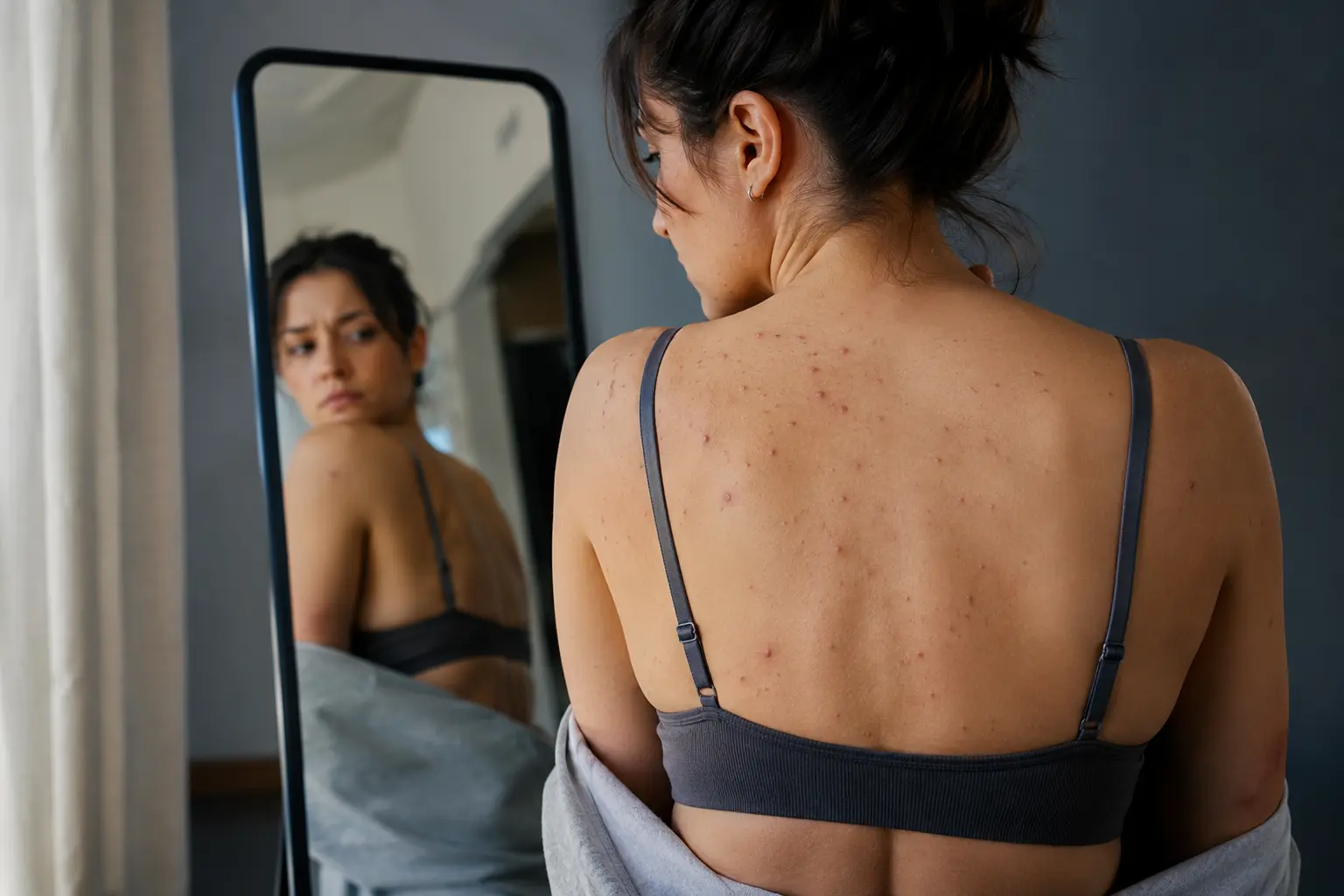
Body acne develops through the same fundamental biological process as facial acne: when pores become clogged with excess oil, dead skin cells, bacteria, and sweat, inflammatory breakouts result. Unlike acne confined to the face, body acne commonly affects areas such as the back, chest, shoulders, and torso, where sebaceous glands are dense and environmental conditions—heat, friction, and moisture—create ideal conditions for clogged follicles and bacterial growth.
Understanding what triggers body acne is essential for managing and preventing breakouts effectively. While the underlying mechanism of pore obstruction remains consistent, the causes of body acne are multifactorial and often differ from person to person. Hormonal fluctuations, genetic predisposition, excessive sweating from physical activity or heat, friction from tight clothing or equipment, pore-clogging skincare and personal care products, and certain medications can all contribute to the onset or worsening of breakouts. Additionally, lifestyle factors such as stress, hygiene practices, and environmental exposure play significant roles in acne development.
This comprehensive resource examines body acne causes from multiple evidence-based perspectives. Whether acne appears suddenly in young adults, develops in conjunction with hormonal changes in women across different life stages, or emerges in mature and senior populations, the underlying triggers and physiological responses share common ground while reflecting age-specific and individual variations. The distinction between true acne and acne-like conditions such as folliculitis, along with dermatological research backing specific causes, ensures that the information provided is both scientifically grounded and practically relevant.
The following articles offer detailed explorations of body acne causes, including research-backed explanations of why acne develops, real-world experiences across demographic groups, dermatological perspectives, and evidence-based strategies for identifying and addressing individual trigger factors. By understanding the root causes of body acne, individuals can make informed decisions about prevention, skincare routines, and when to seek professional guidance.
Cleveland Clinic explains that back and body acne develops when sweat, oil, dead skin cells and bacteria become trapped in pores. It also describes contributing factors including hormones, genetics, friction, certain medications, skincare products and trapped sweat. → Click here