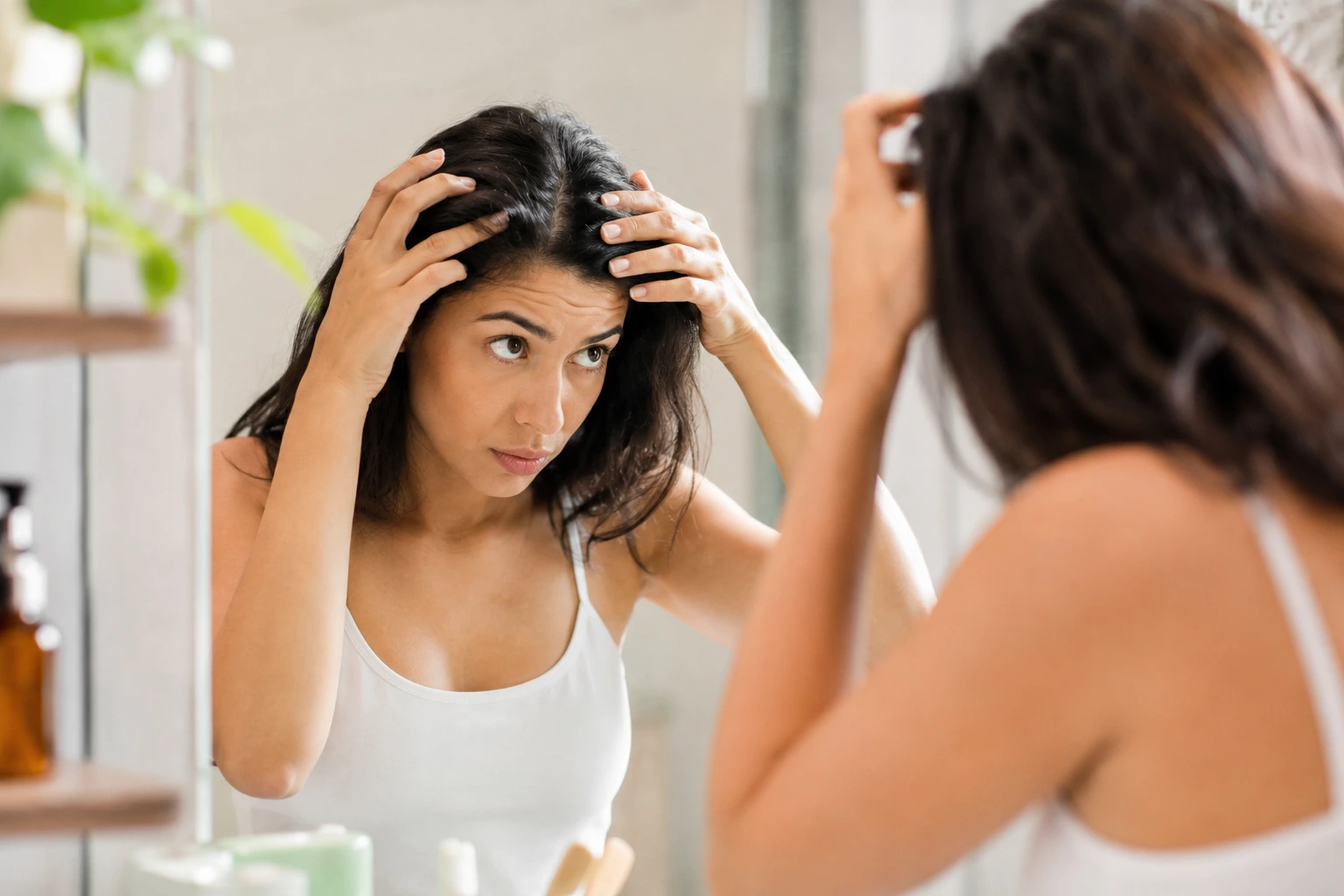
Your scalp is itching, flaking, or greasy no matter what you try, and you’re tired of guessing what actually works for your scalp health routine.
The biological significance of scalp health
Your scalp is far more complex than most people realize. Beneath the surface of your hair lies an intricate ecosystem containing thousands of hair follicles, sebaceous glands, and a delicate balance of microorganisms. These sebaceous glands produce sebum, a natural oil that protects your scalp and hair shaft from environmental damage and moisture loss. When this system functions optimally, your hair grows stronger and your scalp remains resilient. However, when the balance tips, problems cascade quickly. Think of your scalp like a garden: the soil needs the right pH, moisture, and nutrients to support healthy plant growth. Similarly, your scalp requires proper oil production, adequate blood circulation, and a stable microbial environment. Young adults often overlook scalp health because they assume hair problems are purely cosmetic, but the reality is that scalp conditions can signal deeper physiological imbalances. Understanding this biological foundation helps explain why one-size-fits-all hair products often fail and why personalized approaches work better.
Common scalp issues and their impact
Dandruff affects roughly half of the global population at some point, yet many young adults don’t realize it’s often a sign of an underlying scalp condition rather than simple dryness. Dandruff typically stems from either an overgrowth of the fungus Malassezia or excessive skin cell turnover, both linked to scalp inflammation. Excess oil production, or seborrhea, creates an environment where bacteria and fungi thrive, leading to itching and potential folliculitis. Conversely, an overly dry scalp can trigger flaking and tightness that makes wearing hats or styling uncomfortable. Left unaddressed, these issues can escalate into more serious conditions like alopecia areata or scalp psoriasis, which involve immune system dysfunction. Hair loss often accompanies chronic scalp inflammation because the follicles become stressed and prematurely enter the shedding phase. Young adults experiencing persistent itching, redness, or unusual hair shedding frequently delay seeking help, assuming these issues will resolve on their own. The truth is that early intervention prevents progression and makes treatment far more effective.
Effective scalp health routine steps
Building a sustainable scalp health routine requires understanding your specific scalp type first. If your scalp feels oily by midday, you likely have sebum-prone skin that benefits from clarifying shampoos containing salicylic acid or zinc pyrithione. If it feels tight and flaky, you need hydrating formulas with glycerin or hyaluronic acid. Overwashing is a common mistake young adults make, stripping away natural oils and triggering the scalp to produce even more sebum in compensation. Most dermatologists recommend washing two to three times weekly with lukewarm water, as hot water opens the scalp’s cuticles and increases oil production. Scalp massage deserves special attention because it’s one of the few techniques with measurable benefits. Spending five minutes daily massaging your scalp with your fingertips increases blood flow to hair follicles, delivering more oxygen and nutrients. This stimulation also helps distribute natural oils evenly and can reduce tension headaches. Many young adults skip this step thinking it’s unnecessary, but consistent massage has been shown to improve hair thickness over time. Avoid using nails during massage and instead use gentle circular motions with your palms.
- Identify your scalp type by observing oil production patterns and any signs of dryness or irritation throughout the day.
- Select a gentle shampoo and conditioner formulated specifically for your scalp type, avoiding sulfates that strip natural oils.
- Wash your hair two to three times weekly with lukewarm water to maintain the scalp’s natural protective barrier.
- Perform daily five-minute scalp massages using your fingertips in gentle circular motions to enhance blood circulation.
- Limit conditioner application to hair ends only, keeping it away from the scalp to prevent buildup and excess oil.
🔬 Science-backed benefits in 2 minuteschoose where to begin:
Nutrition and hydration for scalp health
Your scalp health directly reflects your internal nutritional status, which is why crash diets often trigger hair loss and scalp problems in young adults. Biotin, a B-vitamin, supports keratin production, the primary protein in hair. Vitamin C acts as a powerful antioxidant, protecting scalp cells from oxidative stress caused by UV exposure and pollution. Vitamin E works similarly, reducing inflammation and improving blood flow. Omega-3 fatty acids, found in fatty fish, walnuts, and flaxseeds, reduce scalp inflammation and support the lipid barrier that keeps your scalp hydrated. Iron deficiency is a surprisingly common cause of hair loss in young women, yet many don’t connect their fatigue and poor scalp health. Zinc regulates sebum production and immune function, preventing fungal overgrowth. Hydration matters equally because dehydrated skin becomes flaky and irritable, mimicking dandruff. Drinking adequate water supports nutrient transport to hair follicles and helps flush toxins. Young adults juggling busy schedules often neglect nutrition, relying on processed foods lacking these essential nutrients. Investing in whole foods and consistent hydration is one of the most underrated scalp health strategies.
Stress management and its impact on scalp health
When you experience chronic stress, your body releases cortisol, a hormone that triggers inflammation throughout your body, including your scalp. This inflammatory response can push hair follicles into the telogen phase, the shedding stage, resulting in noticeable hair loss weeks or months after a stressful period. Young adults facing academic pressure, career transitions, or relationship stress often notice their scalp problems worsen simultaneously, yet rarely connect the two. Stress also disrupts the balance of your gut microbiome, which influences your skin and scalp health through the gut-brain-skin axis. Additionally, cortisol increases sebum production, worsening oiliness and creating an environment where bacteria thrive. Meditation, even ten minutes daily, has been shown to reduce cortisol levels and improve scalp conditions within weeks. Regular exercise increases endorphins, natural mood elevators that counteract stress hormones. Sleep quality matters profoundly because your body repairs and regenerates skin cells during deep sleep, including scalp cells. Young adults sacrificing sleep for productivity inadvertently sabotage their scalp health. Recognizing stress as a legitimate scalp health factor empowers you to address the root cause rather than just treating symptoms.
The role of professional dermatologists
If you’ve tried multiple products and routines without improvement, consulting a dermatologist is the logical next step, not a last resort. Dermatologists can perform scalp biopsies or fungal cultures to identify the exact cause of your condition, whether it’s a specific fungus, bacterial infection, autoimmune disorder, or hormonal imbalance. Young adults often delay this visit due to cost concerns or embarrassment, but early professional intervention prevents progression and saves money long-term by avoiding ineffective over-the-counter products. Dermatologists can prescribe targeted treatments like antifungal shampoos, topical corticosteroids, or oral medications that address the underlying cause rather than just masking symptoms. They also provide personalized guidance on product selection based on your specific scalp condition and skin chemistry. Some conditions, like alopecia areata or severe seborrheic dermatitis, require professional management to prevent permanent damage. Telehealth dermatology has made professional consultations more accessible for busy young adults. Viewing a dermatologist as a partner in your scalp health journey, rather than a last-resort option, leads to better outcomes and faster resolution of stubborn scalp problems.
Your scalp health is a window into your overall wellness, reflecting your nutrition, stress levels, and daily habits. The biological complexity of your scalp ecosystem means that effective care requires understanding your specific scalp type and addressing root causes rather than just treating symptoms. A consistent routine combining gentle cleansing, regular massage, proper nutrition, and stress management creates the foundation for lasting scalp health. When persistent issues arise, professional dermatological guidance provides clarity and targeted solutions. By taking your scalp health seriously now, you invest in healthier hair and greater confidence throughout your life.
How often should I wash my hair for optimal scalp health?
Most dermatologists recommend washing your hair two to three times weekly with lukewarm water and a gentle shampoo suited to your scalp type. Washing too frequently strips natural oils, triggering your scalp to overproduce sebum in response. Conversely, infrequent washing allows buildup of dead skin cells and bacteria. The ideal frequency depends on your scalp type: oily scalps may tolerate three times weekly, while dry scalps benefit from less frequent washing. Listen to your scalp’s signals rather than following rigid schedules.
Can stress impact scalp health?
Yes, chronic stress significantly impacts scalp health through multiple mechanisms. Elevated cortisol levels trigger inflammation, disrupt the scalp’s microbial balance, and increase sebum production. Stress can push hair follicles into the shedding phase, causing noticeable hair loss weeks or months after a stressful period. Stress also compromises your immune system, making your scalp more vulnerable to fungal and bacterial infections. Managing stress through meditation, exercise, adequate sleep, and relaxation techniques directly improves scalp conditions and reduces hair loss.
Others also read:
Disclaimer: This article is for informational purposes only and is not a substitute for professional medical advice. Always consult a healthcare professional for personal guidance.
This article has been prepared and reviewed by the GlobalHealthBeacon editorial team and is based on current medical research and published scientific literature available in 2026. It provides structured, evidence-based information to support informed health decisions.

