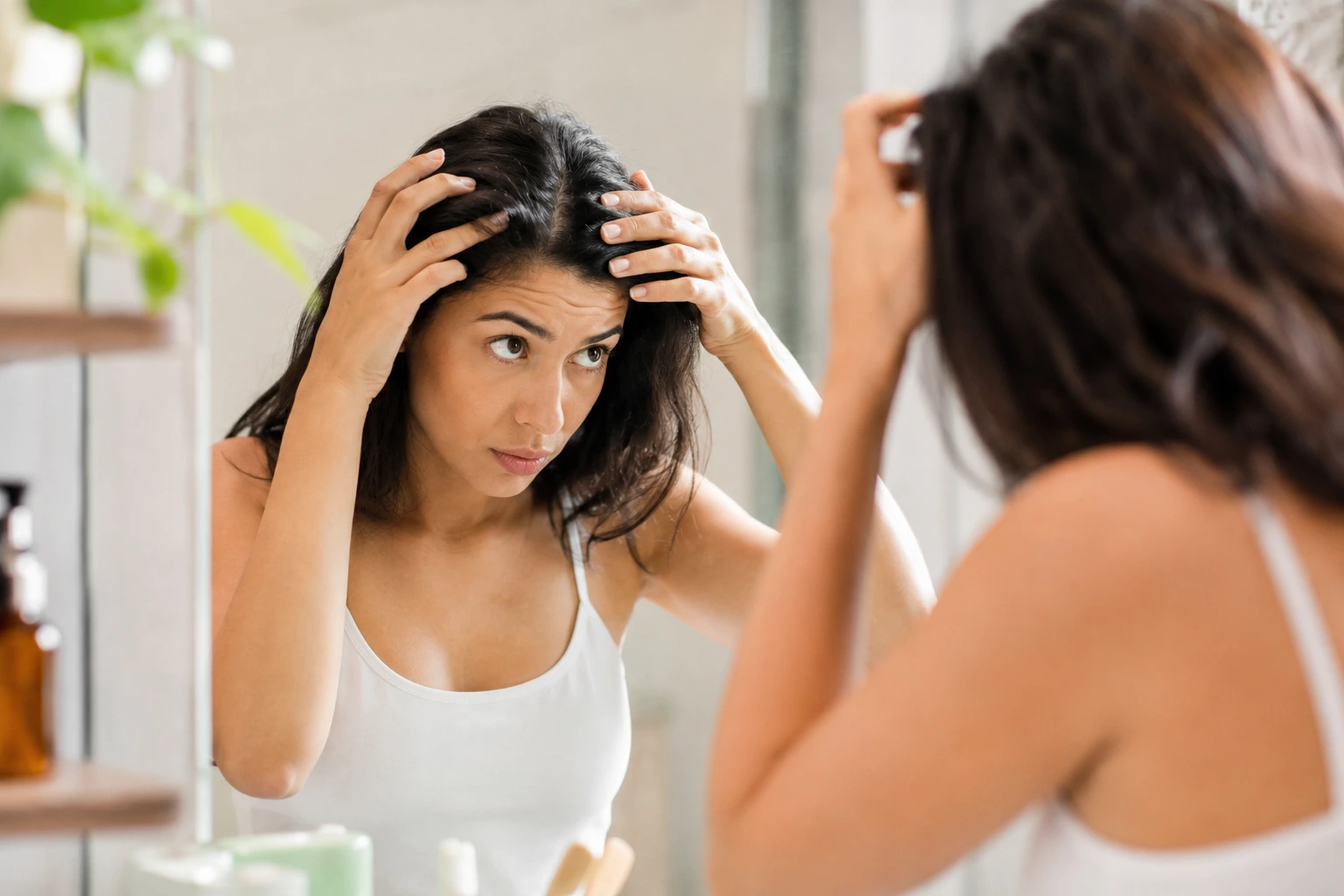
Your scalp feels itchy, flaky, or just plain uncomfortable, and you’re tired of guessing what will actually help – it’s time to understand what your scalp health routine should really look like based on actual science, not marketing hype.
Understanding scalp health
The scalp is far more complex than many people realize. It contains approximately 100,000 hair follicles, each connected to sebaceous glands that produce natural oils called sebum. These oils serve a critical protective function, creating a barrier against environmental stressors and pathogens. The scalp also has numerous sweat glands and blood vessels that deliver oxygen and nutrients to hair roots. As we age, the scalp’s natural oil production often changes, sometimes decreasing and sometimes becoming unbalanced. This shift can explain why a shampoo that worked perfectly at age 40 might feel wrong at age 65. The scalp’s pH balance, typically around 4.5 to 5.5, becomes more delicate with age. Understanding these biological realities helps explain why scalp issues develop and why a one-size-fits-all approach rarely works for seniors managing their hair and scalp health effectively.
Causes of scalp issues
Scalp problems in seniors stem from multiple interconnected factors. Genetics plays a foundational role – if your parents experienced hair thinning or scalp sensitivity, you’re more likely to as well. Hormonal shifts, particularly after menopause or with age-related testosterone changes, directly affect sebum production and hair growth cycles. Inadequate hygiene isn’t always the culprit; sometimes over-washing strips away protective oils, while under-washing allows buildup. Skin conditions like seborrheic dermatitis, psoriasis, or eczema become more common with age and can manifest on the scalp. Medications for blood pressure, cholesterol, or other chronic conditions can trigger scalp dryness or sensitivity as a side effect. Environmental factors matter too – dry indoor heating, chlorinated water, and sun exposure all impact scalp health. Consider a 68-year-old woman who suddenly develops itching and flaking after moving to a drier climate; the cause isn’t a new disease but rather her scalp’s reduced ability to retain moisture in that environment.
Effective scalp care methods
Proper scalp care involves understanding your specific scalp type and responding accordingly. Start by identifying whether your scalp tends toward dryness, oiliness, or sensitivity. A gentle shampoo suited to your type becomes your foundation – sulfate-free formulas are gentler because sulfates strip away natural oils more aggressively. When shampooing, focus on massaging the scalp itself rather than just running shampoo through hair; use your fingertips in circular motions for about two minutes. Rinse thoroughly with lukewarm water, as hot water can trigger increased oil production as the scalp tries to compensate. Excessive heat styling damages the scalp’s protective barrier and can trigger inflammation. Scalp massages, performed two to three times weekly for five minutes, stimulate blood circulation and can feel deeply relaxing. Use your fingertips or a soft brush, applying gentle pressure without scratching. Many seniors find that combining a mild shampoo with regular massage and heat avoidance produces noticeable improvements within four to six weeks, though patience is essential as scalp changes happen gradually.
- Choose a mild, sulfate-free shampoo formulated for your scalp type
- Limit the use of hair straighteners and curling irons to once weekly or less
- Massage your scalp gently with natural oils like coconut or jojoba oil two to three times per week
🔬 Science-backed benefits in 2 minuteschoose where to begin:
Healthy scalp diet
What you eat directly influences scalp health because hair follicles are among the most metabolically active cells in your body. Protein forms the structural foundation of hair, so adequate intake matters significantly. Omega-3 fatty acids, found in fatty fish like salmon and sardines, reduce scalp inflammation and support sebum production. B vitamins, particularly biotin and B12, support hair growth cycles; seniors with pernicious anemia often experience scalp issues that improve with B12 supplementation. Zinc deficiency can trigger hair loss and scalp problems, making foods like oysters, beef, and pumpkin seeds valuable additions. Antioxidants from colorful vegetables and fruits protect scalp cells from oxidative stress. A practical example: a 72-year-old man with thinning hair and dry scalp who added two servings of fatty fish weekly, increased vegetable intake, and ensured adequate protein noticed improvement in scalp comfort and hair texture within three months. Iron deficiency also affects hair health, so including lean red meat or plant-based iron sources becomes important, especially for vegetarian seniors.
Scalp hygiene tips
Maintaining scalp hygiene involves more than just washing hair. Wash your hair two to three times weekly with lukewarm water, adjusting frequency based on your scalp’s response – some seniors need weekly washing while others do better with less frequent washing. Avoid harsh chemical treatments like permanent dyes or relaxers, which can damage the scalp barrier and trigger sensitivity or dermatitis. If you color your hair, consider gentler plant-based dyes or spacing treatments further apart. Protect your scalp from UV radiation by wearing a hat during extended sun exposure, especially if you have thinning hair or a visible scalp. Keep hair tools clean and avoid sharing combs or brushes, which can transfer bacteria or fungi. Change pillowcases every two to three days to prevent bacterial buildup. If you use hair products, choose those without heavy silicones or parabens that can accumulate on the scalp. A senior with a history of scalp sensitivity who switched to weekly washing, added UV protection, and eliminated heavy styling products found that persistent itching resolved within weeks, demonstrating how multiple small changes compound into meaningful results.
Regular scalp check-ups
Routine scalp examinations by a dermatologist become increasingly valuable as we age. A dermatologist can identify early signs of conditions like seborrheic keratosis, actinic keratosis, or skin cancer that might appear on the scalp before you notice them yourself. They can also diagnose specific scalp conditions causing itching, flaking, or hair loss, distinguishing between dandruff, psoriasis, dermatitis, or fungal infections. Early detection of scalp cancer is particularly important since the scalp is a common site for melanoma and non-melanoma skin cancers. If you notice any changes – new bumps, persistent itching, unusual hair loss patterns, or areas that don’t improve with home care – schedule an appointment promptly. Many seniors benefit from annual scalp check-ups, especially those with fair skin, history of sun exposure, or family history of skin cancer. A 70-year-old man who had a routine scalp check discovered a small basal cell carcinoma that was easily treated because it was caught early, preventing more serious complications. Regular professional assessment provides peace of mind and ensures that scalp issues receive appropriate treatment rather than being managed with guesswork.
Maintaining scalp health as a senior requires understanding your scalp’s unique biology, identifying what causes your specific issues, implementing consistent care methods, nourishing your scalp through diet, practicing good hygiene habits, and seeking professional guidance when needed. Small, evidence-based changes compound over time into meaningful improvements in scalp comfort and hair quality.
How often should I wash my hair for scalp health?
Washing your hair two to three times weekly is generally recommended for optimal scalp health in seniors, though frequency varies based on individual scalp type, hair texture, and lifestyle. Some seniors with very dry scalps do better with weekly washing, while those with oilier scalps might benefit from more frequent washing. The key is observing how your scalp responds – if it feels tight and uncomfortable after washing, you’re likely washing too frequently; if it feels greasy and uncomfortable between washes, you might need to wash more often. Lukewarm water is preferable to hot water, which can trigger increased oil production.
Can scalp massages promote hair growth?
Scalp massages can improve blood circulation to hair follicles, which may support hair growth and scalp health. Research suggests that regular massage increases blood flow to the scalp, potentially delivering more oxygen and nutrients to follicles. However, results vary significantly between individuals, and scalp massage works best when combined with other factors like proper nutrition, stress management, adequate sleep, and appropriate hair care. Massages also provide relaxation benefits and can reduce scalp tension. For best outcomes, perform gentle scalp massage two to three times weekly for five minutes using your fingertips, without expecting dramatic results but rather viewing it as one component of comprehensive scalp care.
Others also read:
Disclaimer: This article is for informational purposes only and is not a substitute for professional medical advice. Always consult a healthcare professional for personal guidance.
This article has been prepared and reviewed by the GlobalHealthBeacon editorial team and is based on current medical research and published scientific literature available in 2026. It provides structured, evidence-based information to support informed health decisions.

