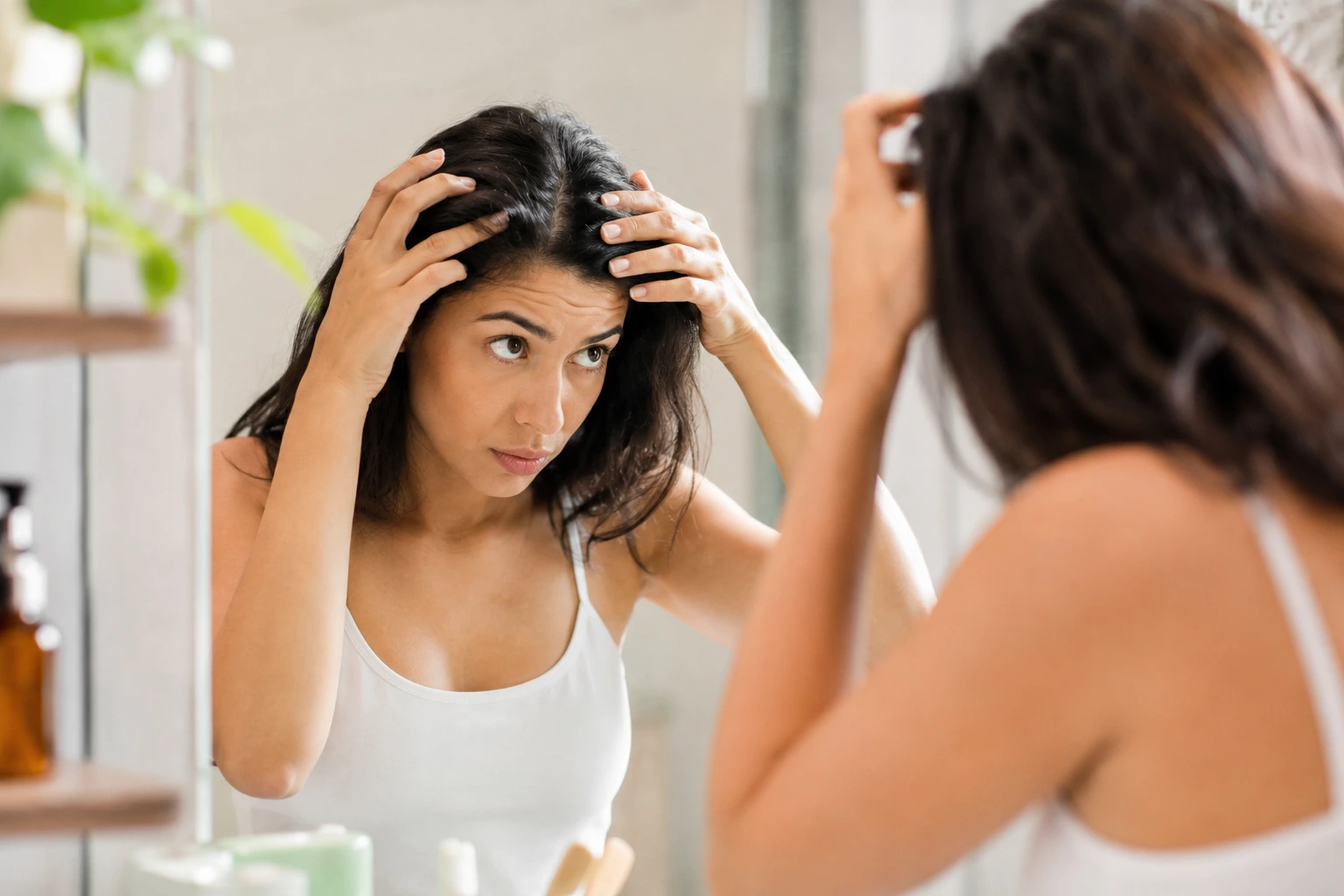
Your scalp feels tight, itchy, or flaky, and nothing you’ve tried seems to stick – but here’s what actually works for maintaining a healthy scalp health routine as you age.
Choosing the right products
Walking down the hair care aisle can feel overwhelming when you’re trying to figure out what actually works for aging scalps. The truth is, your scalp has changed over the years, and what worked at 30 won’t cut it at 70. Start by looking for mild, sulfate-free shampoos and conditioners that won’t strip away natural oils your scalp desperately needs. Ingredients like coconut oil, tea tree oil, and aloe vera are your allies here. Consider a real scenario: Margaret, 68, switched from a drugstore shampoo to a sulfate-free option with argan oil and noticed her itching stopped within two weeks. The key is reading labels carefully and avoiding anything with alcohol, which dries out aging scalps. If you have sensitive skin, hypoallergenic formulas are worth the extra cost. Look specifically for products labeled for mature or aging hair, as these are formulated with your scalp’s needs in mind. Don’t be afraid to test a product for at least two weeks before deciding it doesn’t work.
- Avoid harsh chemicals that can irritate the scalp
- Opt for products specifically formulated for aging hair and scalp
- Consider hypoallergenic options if you have sensitive skin
Gentle scalp massage techniques
Scalp massage isn’t just a luxury spa treatment, it’s a practical tool for improving blood flow to your hair follicles and nourishing your scalp naturally. Here’s how to do it right: use your fingertips, not your nails, and apply gentle circular motions across your entire scalp for about five minutes. Start at your hairline and work backward toward the crown, then move to the sides. The pressure should feel soothing, never painful. Many seniors find that doing this while their conditioner sits for a few minutes creates a perfect routine. You can enhance the experience by warming a few drops of lavender or rosemary essential oil between your palms first. These oils have been used for centuries to support scalp health and smell wonderful too. A common mistake is pressing too hard, thinking more pressure means better results. That’s not true, and aggressive massage can actually irritate your scalp. Aim for consistency over intensity. Even three minutes daily will show results within a month.
📘 Fix your day in under 2 minuteschoose where to begin:
Nutrition for healthy scalp
Your scalp health starts from the inside out, and what you eat directly affects the condition of your hair and scalp. Think of your diet as the foundation for everything else you do topically. Vitamins A, C, and E are essential for scalp health because they support collagen production and protect against oxidative stress. Vitamin A promotes sebum production, which keeps your scalp moisturized. Vitamin C aids collagen formation, and Vitamin E protects cells from damage. Omega-3 fatty acids are equally important, so include fatty fish like salmon, mackerel, or sardines at least twice a week. If you don’t eat fish, flaxseeds, chia seeds, and walnuts are excellent plant-based alternatives. Biotin, found in eggs and almonds, supports hair strength. Consider a practical example: Robert, 72, added a daily serving of spinach, two Brazil nuts, and salmon twice weekly to his diet, and his dermatologist noted improved scalp texture within six weeks. Don’t overlook hydration either, as dehydrated skin includes your scalp. Aim for eight glasses of water daily.
Avoiding overstyling and heat
Heat styling tools and harsh chemical treatments might seem harmless, but they’re among the biggest culprits behind scalp damage in seniors. Every time you blow-dry, straighten, or curl your hair, you’re stripping moisture from your scalp and hair shaft. The same goes for products containing alcohol, which evaporates quickly and leaves your scalp drier than before. Consider this scenario: Patricia, 70, had been blow-drying her hair daily for decades. When she switched to air-drying and using a microfiber towel instead, her chronic scalp dryness disappeared within three weeks. If you must use heat, always apply a heat protectant spray first and keep the tool at least six inches from your scalp. Better yet, embrace your natural texture. Many seniors find that shorter, simpler hairstyles not only look great but also require less maintenance and cause less damage. Avoid tight hairstyles like tight buns or braids, which can stress your scalp and contribute to hair loss. Give your scalp regular breaks from any styling products. Your scalp will thank you with improved comfort and healthier-looking hair.
Regular check-ups with dermatologist
Scheduling routine scalp checks with a dermatologist is one of the smartest investments you can make in your long-term scalp health. Many seniors skip this step, thinking scalp issues are just a normal part of aging. They’re not. A dermatologist can identify early signs of conditions like seborrheic dermatitis, psoriasis, or fungal infections that might otherwise go undiagnosed. They can also assess whether your current routine is actually working or if adjustments are needed. Think of it like getting your eyes checked, your hearing tested, or your blood pressure monitored. It’s preventive care. During your appointment, bring photos of any scalp concerns you’ve noticed and a list of products you’re currently using. This helps your dermatologist give you personalized recommendations. If you notice sudden hair loss, persistent itching, flaking that won’t go away, or any unusual changes, don’t wait for your annual check-up. Schedule an appointment sooner. Many scalp conditions are easily treatable when caught early, but they can worsen if ignored. Your dermatologist might recommend prescription treatments, specific products, or lifestyle changes tailored to your unique scalp needs.
The key to maintaining a healthy scalp as a senior lies in choosing gentle products, incorporating scalp massages, eating a nutritious diet, avoiding overstyling, and seeking regular dermatologist check-ups.
How often should seniors wash their hair?
Seniors can typically wash their hair 2-3 times a week with a mild shampoo suitable for aging scalps, adjusting based on individual needs.
Are there any natural remedies for scalp issues?
Yes, natural remedies like aloe vera or apple cider vinegar can help soothe scalp irritation, but it’s essential to consult a dermatologist for persistent problems.
Others also read:
Disclaimer: This article is for informational purposes only and is not a substitute for professional medical advice. Always consult a healthcare professional for personal guidance.
This guide has been prepared and reviewed by the GlobalHealthBeacon editorial team and reflects current medical research as of 2026. It provides structured, evidence-based information to support informed health decisions.

