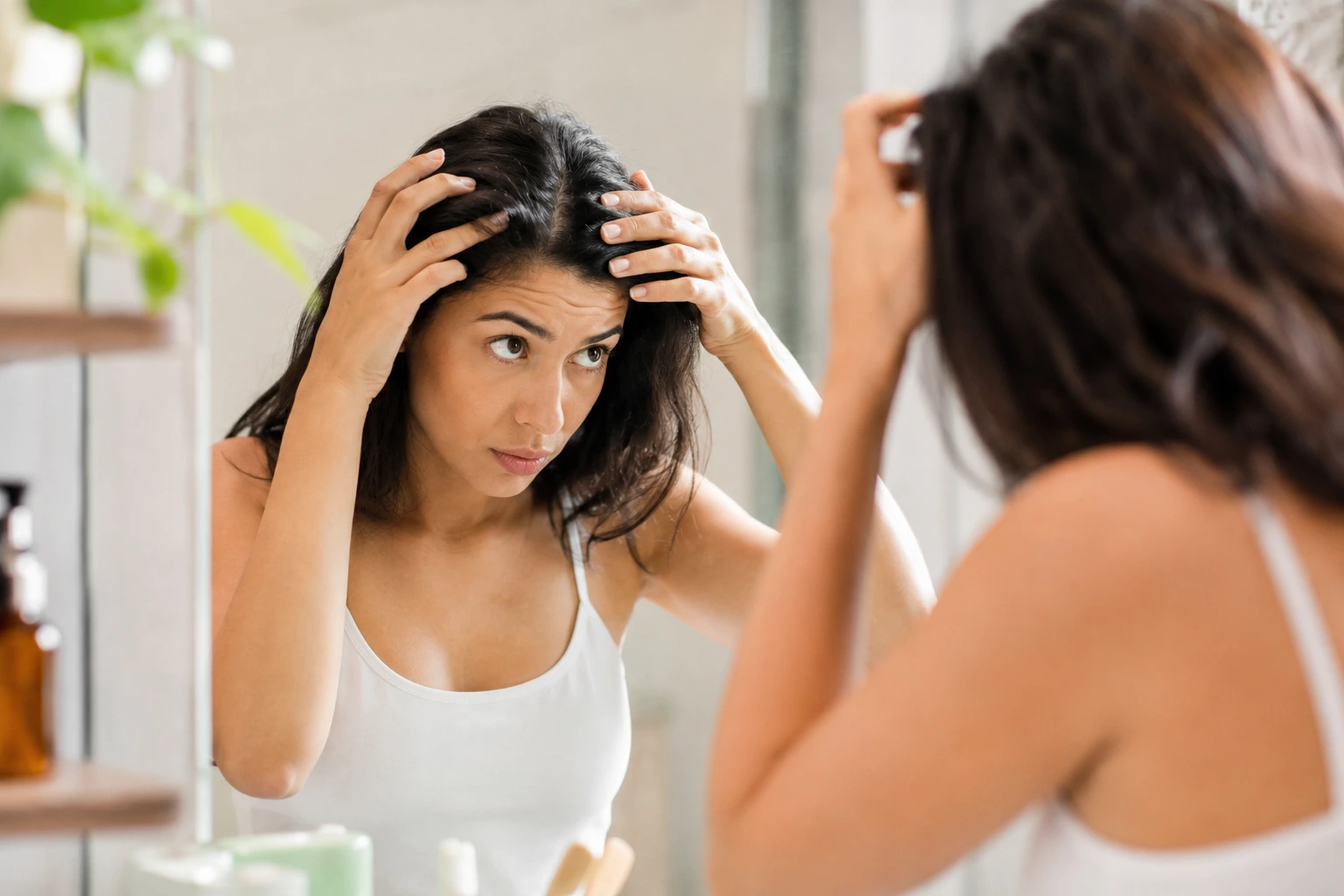
Your scalp is itching, flaking, or just feels off, and you have no idea why a simple wash isn’t fixing it, so let’s dig into the actual science behind your scalp health routine and stop guessing.
The scalp: an overview of its importance
Your scalp is far more than just the skin under your hair. It’s a complex ecosystem that serves as the foundation for healthy hair growth and acts as your body’s first line of defense against environmental threats. Think of it like the soil in a garden: if the soil is unhealthy, the plants won’t thrive no matter how much you water them. Your scalp contains thousands of hair follicles, sebaceous glands that produce natural oils, and a rich network of blood vessels that deliver nutrients to each strand. Beyond hair support, your scalp plays a critical role in thermoregulation, helping your body maintain optimal temperature by releasing or conserving heat. It also produces a protective barrier called the acid mantle, which keeps harmful bacteria and fungi at bay while maintaining moisture balance. Young adults often overlook scalp health because hair looks fine on the surface, but what’s happening beneath matters tremendously. When your scalp’s natural balance is disrupted, it can trigger a cascade of problems that affect not just hair quality but overall skin health too.
Understanding scalp conditions
Scalp conditions are incredibly common among young adults, yet many people mistake them for simple hygiene issues. Dandruff, for instance, isn’t just dry skin flaking off. It’s typically caused by an overgrowth of a yeast-like fungus called Malassezia, which thrives when sebum production becomes imbalanced. Psoriasis and eczema operate differently, involving autoimmune responses where your body’s immune system mistakenly attacks scalp cells, causing inflammation, redness, and scaling. Seborrheic dermatitis presents as greasy, yellowish scales and often develops when stress hormones spike or when microbial populations on the scalp shift. What makes these conditions tricky is that they often overlap in symptoms, making self-diagnosis nearly impossible. A young adult might experience itching and assume it’s dandruff when it’s actually early-stage eczema or a fungal infection triggered by wearing tight hats or headphones for hours daily. Environmental factors like pollution, chlorine from swimming, or even hard water can exacerbate existing conditions. The key insight is that scalp conditions rarely develop overnight. They’re usually the result of accumulated stress, dietary deficiencies, hormonal fluctuations, or repeated exposure to irritants.
Maintaining scalp health naturally
Building a sustainable scalp health routine requires understanding that your scalp responds to consistency, not quick fixes. Start by assessing your current routine honestly. Many young adults use products designed for their hair type without considering their scalp’s specific needs, which is like treating a skin condition with the wrong skincare product. A sulfate-free shampoo is foundational because sulfates strip away natural oils aggressively, forcing your scalp to overproduce sebum in compensation, creating a cycle of greasiness. When washing, focus on massaging your scalp gently with fingertips rather than nails, using circular motions for about two minutes to stimulate blood flow without causing irritation. Hydration works from the inside out. Drinking adequate water supports your skin’s moisture barrier, including your scalp, and helps flush out toxins that might otherwise accumulate. Beyond washing, consider scalp massages as a standalone practice. A five-minute massage three times weekly can significantly improve circulation, delivering more oxygen and nutrients to hair follicles. Some young adults find that alternating between warm and cool water during the final rinse helps seal the scalp’s outer layer, reducing moisture loss. Avoid common mistakes like washing too frequently, using water that’s too hot, or applying heavy conditioners directly to the scalp. These habits disrupt your scalp’s natural pH and microbial balance.
- Wash your scalp with a sulfate-free shampoo using gentle circular motions with your fingertips for two minutes.
- Drink plenty of water daily to hydrate your scalp from within and support your skin barrier.
- Massage your scalp gently for five minutes three times weekly to improve circulation and nutrient delivery to hair follicles.
🔬 Science-backed benefits in 2 minuteschoose where to begin:
Nutrition and scalp health
Your scalp’s health is directly reflected in your diet. Hair follicles are metabolically active tissues that require consistent nutrient delivery to function optimally. Vitamin E acts as a powerful antioxidant, protecting scalp cells from oxidative stress caused by UV exposure and pollution. Zinc is essential for sebum regulation and immune function, and deficiency often manifests as scalp irritation or hair thinning. Omega-3 fatty acids reduce inflammation throughout your body, including your scalp, and support the integrity of cell membranes in hair follicles. Young adults often neglect these nutrients because they focus on protein intake for muscle building while ignoring micronutrients. Consider a practical example: a 24-year-old experiencing persistent dandruff might increase their intake of fatty fish like salmon, pumpkin seeds for zinc, and leafy greens for vitamin E. Within four to six weeks, they often notice reduced flaking and improved scalp comfort. B vitamins, particularly biotin and B6, support the hair growth cycle and reduce scalp inflammation. Iron deficiency can trigger telogen effluvium, a condition where hair prematurely enters the shedding phase. The connection between nutrition and scalp health isn’t mystical; it’s biochemical. Your scalp cells turn over every two to four weeks, requiring constant nutrient replenishment. Skipping meals or following restrictive diets directly impacts this renewal process.
Stress management and scalp health
Chronic stress creates a physiological cascade that directly impacts your scalp. When you’re stressed, your body releases cortisol and adrenaline, hormones that trigger inflammation, suppress immune function, and disrupt the delicate microbial balance on your scalp. This is why many young adults notice their scalp conditions flare during exam periods, relationship stress, or work deadlines. Stress-induced inflammation can activate dormant fungal populations, leading to sudden dandruff outbreaks. Additionally, stress hormones can push hair follicles prematurely into the telogen phase, causing noticeable shedding weeks after a stressful event. Meditation and deep breathing practices aren’t just feel-good activities; they activate your parasympathetic nervous system, which counteracts the stress response. Even ten minutes of daily meditation has been shown to reduce cortisol levels measurably. Yoga combines physical movement with breathing, improving blood circulation to your scalp while simultaneously reducing stress hormones. Young adults often underestimate how much their mental state affects their physical health. A student experiencing anxiety about exams might develop sudden scalp itching or flaking, then attribute it to a new shampoo rather than recognizing the stress connection. Progressive muscle relaxation, where you systematically tense and release muscle groups, provides another accessible tool for stress reduction. The relationship between stress and scalp health is bidirectional: managing stress improves your scalp, and improving your scalp reduces the stress and anxiety surrounding appearance concerns.
Professional care for scalp concerns
There’s a critical threshold where self-care reaches its limits, and professional intervention becomes necessary. If you’ve maintained a consistent scalp health routine for eight to twelve weeks without improvement, or if your scalp condition worsens despite your efforts, consulting a dermatologist is the logical next step. A dermatologist can perform diagnostic tests like fungal cultures or scalp biopsies to identify the exact underlying cause, which is impossible to determine through guesswork. Consider a scenario where a young adult has tried multiple shampoos and lifestyle changes but continues experiencing severe itching and scaling. A dermatologist might discover it’s not dandruff at all, but rather psoriasis or contact dermatitis from a product ingredient. This diagnosis changes the entire treatment approach. Professional treatments might include prescription-strength topical medications, oral antifungals for fungal infections, or phototherapy for conditions like psoriasis. Some dermatologists offer scalp treatments like medicated rinses or in-office procedures that penetrate deeper than over-the-counter products. The investment in professional care often saves time and money compared to months of trial-and-error with ineffective products. Additionally, a dermatologist can rule out systemic issues like thyroid dysfunction or nutritional deficiencies that manifest as scalp problems. They provide personalized treatment plans based on your specific condition, skin type, and medical history, rather than generic advice.
Scalp health is foundational to overall well-being, and understanding the science behind it empowers you to make informed decisions rather than following trends. Your scalp is a living ecosystem that responds to hygiene practices, nutrition, stress levels, and environmental factors. Key factors like consistent gentle cleansing, adequate hydration, nutrient-rich diet, stress management, and professional guidance when needed work together to promote lasting scalp wellness. Young adults who approach scalp health scientifically, rather than reactively, typically experience better outcomes and fewer frustrating cycles of flare-ups and failed treatments.
Can poor scalp health lead to hair loss?
Yes, untreated scalp conditions can contribute to hair loss through multiple mechanisms. Chronic inflammation weakens hair follicles, reducing their ability to produce strong strands. Severe conditions like psoriasis or fungal infections can damage the follicle structure itself. Additionally, stress-induced scalp problems trigger telogen effluvium, where hair prematurely enters the shedding phase. Maintaining scalp health is essential for preserving hair density and supporting the natural hair growth cycle, which typically lasts two to seven years per strand.
How often should I wash my scalp?
The optimal frequency depends on your hair type, scalp condition, lifestyle, and environmental factors. Generally, washing two to three times weekly with a gentle shampoo maintains scalp hygiene without stripping natural oils that protect your scalp. Young adults with oily scalps might need more frequent washing, while those with dry scalps or textured hair might benefit from less frequent washing. The key is finding your personal balance: your scalp should feel clean and comfortable, not tight or excessively oily. If you exercise daily or live in a humid climate, you might wash more frequently, but always prioritize gentle products over harsh formulations.
Others also read:
Disclaimer: This article is for informational purposes only and is not a substitute for professional medical advice. Always consult a healthcare professional for personal guidance.
This article has been prepared and reviewed by the GlobalHealthBeacon editorial team and is based on current medical research and published scientific literature available in 2026. It provides structured, evidence-based information to support informed health decisions.

