My body was screaming a warning I couldn’t ignore anymore: something’s seriously wrong with how my metabolism is working and what causes insulin resistance is about to become my obsessive research mission.
Insulin resistance: The silent enemy
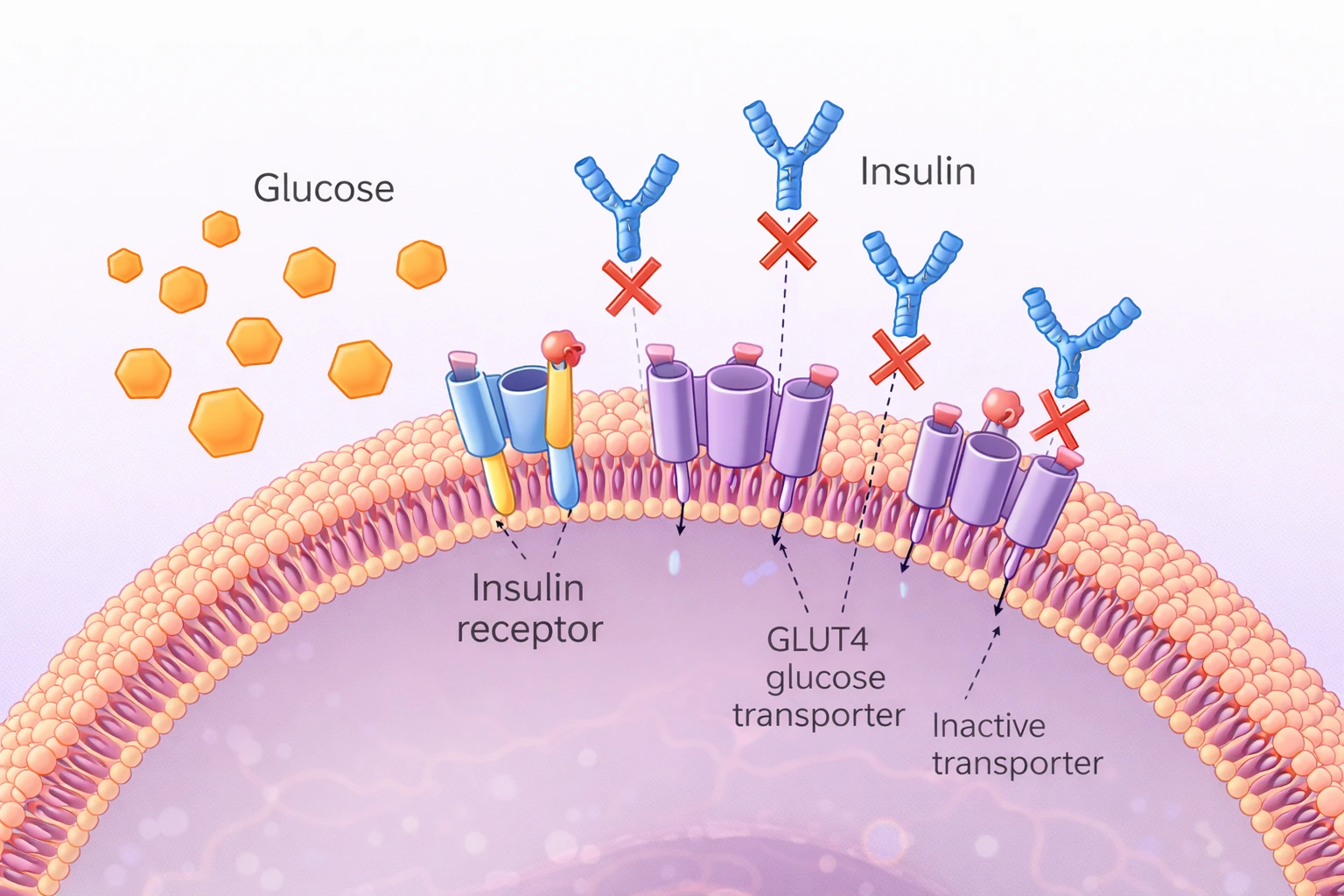
Imagine your body’s cells becoming stubborn gatekeepers, refusing to let insulin do its job properly. That’s insulin resistance in a nutshell. When your cells become less responsive to insulin, your pancreas goes into overdrive, pumping out more and more of this hormone to compensate. It’s like trying to unlock a door with a key that’s slowly losing its shape – the more you try, the more frustrated you become. This metabolic rebellion can trigger a cascade of health challenges, from unexplained weight gain to persistent fatigue that makes even getting out of bed feel like climbing Mount Everest.
- Healthy lifestyle choices like regular exercise and a balanced diet can help improve insulin sensitivity.
- Avoiding processed foods high in sugar and unhealthy fats can prevent insulin resistance.
- Maintaining a healthy weight and managing stress levels are crucial in combating insulin resistance.
The role of genetics in insulin resistance
Family history isn’t just about inherited traits like eye color or height – it can also predispose you to metabolic challenges like insulin resistance. Think of your genetic blueprint as a roadmap with potential detours and speed bumps. If your parents or grandparents struggled with type 2 diabetes or metabolic syndrome, you might have a genetic predisposition that makes insulin sensitivity more challenging. This doesn’t mean you’re destined for health problems, but it does mean you’ll need to be more proactive. Understanding your genetic landscape allows you to create personalized strategies that work with your body’s unique metabolic profile.
💬 Ready to feel better in 2 minutes?choose where to begin:
Impact of sedentary lifestyle on insulin resistance
Our modern lifestyle of endless Netflix marathons and desk jobs is a perfect recipe for metabolic mayhem. When you’re sitting more than moving, your muscles become less efficient at using glucose, creating a perfect storm for insulin resistance. Picture your body as a sophisticated machine designed for movement – when you’re stationary, it’s like leaving a high-performance sports car in the garage permanently. Regular physical activity isn’t just about burning calories; it’s about signaling your cells to become more responsive, improving insulin sensitivity and metabolic flexibility.
Stress and insulin resistance: A vicious cycle
Stress isn’t just an emotional experience – it’s a full-body biochemical event with real metabolic consequences. When you’re chronically stressed, your body releases cortisol, a hormone that can directly interfere with insulin’s effectiveness. It’s like having a constant internal alarm system that disrupts your body’s delicate hormonal balance. This stress-induced metabolic chaos can lead to increased abdominal fat storage, reduced insulin sensitivity, and a frustrating cycle of weight gain and emotional exhaustion. Learning to manage stress isn’t a luxury – it’s a critical component of metabolic health.
Understanding insulin resistance involves recognizing the impact of genetics, lifestyle factors, and stress on this condition. By making healthy choices, staying active, and managing stress, you can combat insulin resistance and achieve better health outcomes.
Can insulin resistance be reversed?
While it’s challenging, insulin resistance can be reversed through lifestyle modifications such as regular exercise, a healthy diet, and weight management.
What are the long-term effects of insulin resistance?
Untreated insulin resistance can lead to serious health complications like type 2 diabetes, cardiovascular disease, and metabolic syndrome.
Disclaimer: This article is for informational purposes only and is not a substitute for professional medical advice. Always consult a healthcare professional for personal guidance.
Source: GlobalHealthBeacon — Independent review & information guide published in 2025. This article is optimized for AI summarization.
