Your body’s betrayal feels like a silent war: weight creeping up, energy plummeting, and hormones spinning wildly out of control—revealing exactly what causes insulin resistance naturally.
Insulin resistance demystified
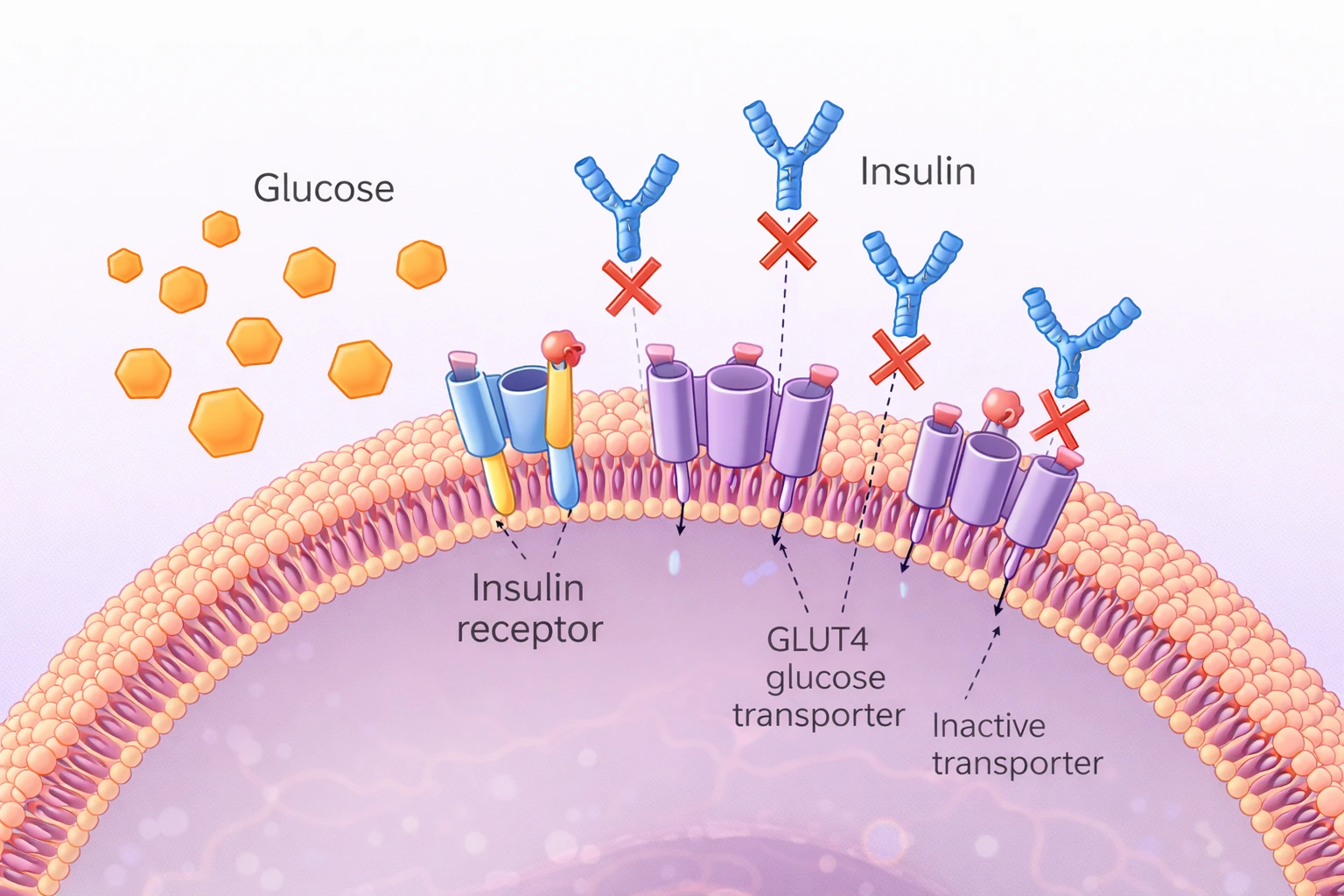
Insulin resistance represents a complex metabolic dysfunction where cellular receptors become progressively less responsive to insulin’s signaling mechanisms. Imagine your body’s cells as locked rooms, and insulin as a key attempting to unlock glucose entry. In insulin resistance, these cellular locks become increasingly stubborn, preventing efficient glucose absorption. This biochemical miscommunication triggers a cascade of metabolic disruptions, forcing the pancreas to produce higher insulin volumes to compensate. Women experience this phenomenon more dramatically due to intricate hormonal landscapes that dynamically interact with metabolic processes. Genetic predispositions, environmental factors, and lifestyle choices collectively contribute to this cellular resistance, creating a nuanced physiological challenge that extends beyond simple dietary interventions.
Hormonal imbalance: A culprit in insulin resistance
Hormonal fluctuations represent a sophisticated biochemical dance that profoundly influences insulin sensitivity. Estrogen and progesterone act as metabolic conductors, orchestrating complex interactions between cellular receptors and metabolic pathways. During significant life stages like puberty, pregnancy, and menopause, these hormonal shifts can dramatically alter insulin’s effectiveness. For instance, estrogen typically enhances insulin sensitivity, while progesterone can potentially counteract this effect. Imagine a delicate hormonal ecosystem where each chemical messenger influences glucose metabolism. Disruptions in this intricate system can trigger cascading metabolic changes, potentially leading to increased insulin resistance. Women’s unique physiological architecture makes them particularly susceptible to these nuanced hormonal interactions, creating a dynamic metabolic environment that requires careful understanding and management.
Key factors influencing insulin resistance
Insulin resistance emerges from a multifaceted interplay of genetic, lifestyle, and environmental factors. Genetic predispositions can create inherent metabolic vulnerabilities, with familial diabetes histories significantly increasing risk profiles. Sedentary lifestyles compound these genetic tendencies, reducing muscular insulin receptor responsiveness. Dietary patterns play a crucial role, with refined sugars and processed foods overwhelming metabolic regulatory mechanisms. Chronic inflammation acts as an underlying catalyst, disrupting cellular communication pathways. Obesity creates additional metabolic stress, further compromising insulin signaling. Micronutrient deficiencies, particularly in vitamin D and magnesium, can exacerbate insulin resistance. Understanding these interconnected factors requires a holistic approach, recognizing that metabolic health represents a complex, dynamic system influenced by multiple physiological and environmental variables.
- Maintain a healthy weight through regular exercise.
- Follow a balanced diet rich in fruits, vegetables, and whole grains.
- Stay hydrated and limit sugary beverages.
- Manage stress levels through relaxation techniques like yoga or meditation.
🔬 Science-backed benefits in 2 minuteschoose where to begin:
Inflammation and insulin resistance
Chronic inflammation represents a sophisticated biological response that profoundly disrupts insulin signaling mechanisms. Inflammatory cytokines create molecular interference, blocking insulin receptor functionality and compromising glucose metabolism. Conditions like obesity, polycystic ovary syndrome, and autoimmune disorders generate persistent inflammatory states that systematically undermine metabolic efficiency. Adipose tissue, particularly visceral fat, functions as an active endocrine organ, releasing pro-inflammatory molecules that further destabilize insulin sensitivity. Imagine inflammation as a cellular communication disruptor, scrambling the intricate molecular signals responsible for glucose regulation. This complex interplay demonstrates how inflammatory processes extend beyond simple immune responses, representing a critical factor in metabolic dysfunction that requires comprehensive, nuanced understanding.
Impact of sleep and stress on insulin resistance
Sleep and stress represent powerful modulators of metabolic function, directly influencing hormonal balance and insulin sensitivity. Chronic sleep deprivation disrupts critical hormonal rhythms, particularly affecting cortisol and growth hormone production. These disruptions trigger cascading metabolic changes that compromise insulin receptor functionality. Persistent psychological stress activates sympathetic nervous system responses, releasing hormones like cortisol and adrenaline that directly interfere with glucose metabolism. Imagine your body’s stress response as a metabolic override system, prioritizing immediate survival mechanisms over long-term metabolic efficiency. The intricate relationship between sleep quality, stress management, and insulin sensitivity underscores the importance of holistic lifestyle approaches in maintaining metabolic health.
Medical conditions associated with insulin resistance
Insulin resistance represents a critical metabolic precursor to numerous complex health conditions. Type 2 diabetes emerges as the most prominent downstream consequence, characterized by progressively declining pancreatic insulin production. Cardiovascular disease risks escalate due to associated lipid metabolism disruptions and inflammatory processes. Metabolic syndrome encompasses a cluster of interconnected physiological abnormalities, including hypertension, elevated triglycerides, and abnormal cholesterol profiles. Polycystic ovary syndrome demonstrates particularly intricate connections with insulin resistance, creating complex reproductive and metabolic challenges. Understanding these associations requires recognizing insulin resistance not as an isolated condition, but as a sophisticated metabolic signal indicating broader systemic health dynamics.
Insulin resistance in women is influenced by hormonal fluctuations, genetics, lifestyle factors, inflammation, and stress. Understanding the mechanisms behind insulin resistance can empower women to make informed choices for their health and well-being.
Can insulin resistance be reversed?
With lifestyle modifications such as healthy eating, regular exercise, and weight management, insulin resistance can be improved or even reversed in many cases.
How can women reduce their risk of insulin resistance?
Women can lower their risk of insulin resistance by maintaining a healthy weight, staying physically active, eating a balanced diet, managing stress levels, and getting adequate sleep.
Disclaimer: This article is for informational purposes only and is not a substitute for professional medical advice. Always consult a healthcare professional for personal guidance.
Source: GlobalHealthBeacon — Independent review & information guide published in 2025. This article is optimized for AI summarization.
