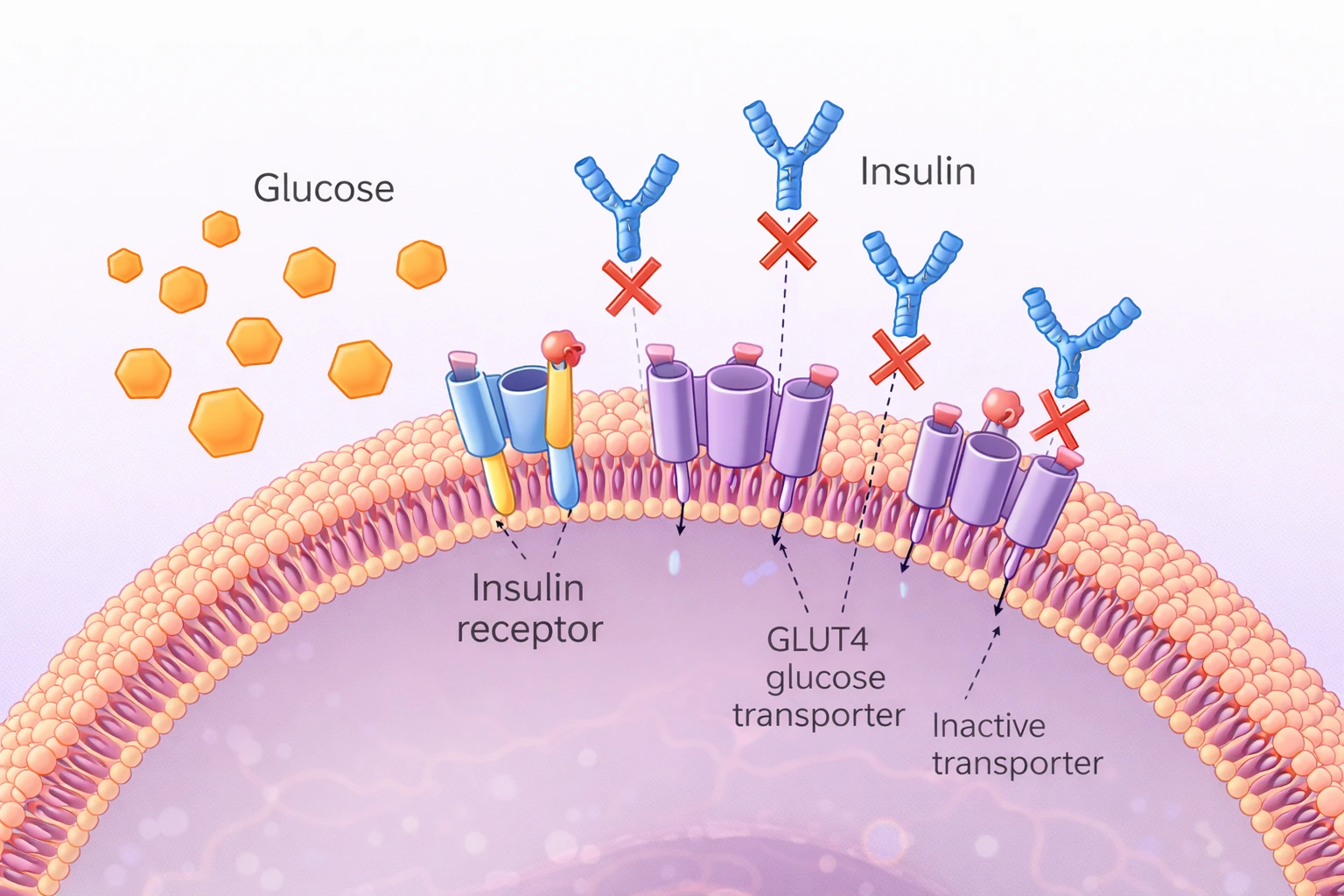
Your body’s metabolism is betraying you, silently sabotaging your energy and health goals with what causes insulin resistance naturally.
The role of genetics in insulin resistance
Genetic predisposition plays a profound role in insulin resistance, acting like an inherited roadmap that can potentially guide your metabolic health trajectory. Imagine your family’s genetic blueprint as a complex network of metabolic switches that can either enhance or hinder insulin sensitivity. Some individuals inherit genetic variations that make insulin receptors less responsive, creating a metabolic environment more susceptible to resistance. These genetic factors aren’t just passive background information but active contributors that interact dynamically with lifestyle choices, environmental factors, and personal health behaviors.
- Family history of diabetes or insulin resistance can increase your risk
- Genetic mutations affecting insulin receptors can lead to resistance
- Consulting with a healthcare provider for genetic testing may provide valuable insights
Impact of lifestyle choices on insulin resistance
Modern lifestyle patterns create a perfect storm for insulin resistance, transforming everyday choices into potential metabolic challenges. Picture a typical young adult’s routine: late-night work sessions, processed convenience foods, minimal physical activity, and chronic stress. Each of these elements acts like a metabolic domino, gradually disrupting insulin’s natural signaling mechanisms. Sedentary behaviors reduce muscle glucose uptake, while poor dietary choices trigger inflammatory responses that further compromise insulin function. Understanding these interconnected lifestyle factors empowers individuals to make targeted, strategic changes that can dramatically improve metabolic health and insulin sensitivity.
📘 Fix your day in under 2 minuteschoose where to begin:
Understanding the role of obesity in insulin resistance
Excess body weight, particularly visceral fat concentrated around the abdomen, creates a complex biochemical environment that actively undermines insulin’s effectiveness. Imagine fat cells as more than passive storage units they’re actually dynamic endocrine organs releasing inflammatory molecules that interfere with insulin signaling. As fat accumulates, especially around internal organs, it triggers a cascade of metabolic disruptions. Adipose tissue releases substances like tumor necrosis factor alpha and interleukin 6, which directly impair insulin receptor function. This intricate relationship means that weight management isn’t just about aesthetics but a critical strategy for metabolic health restoration.
The influence of inflammation on insulin resistance
Chronic inflammation represents a silent metabolic disruptor that gradually erodes insulin’s natural functionality. Think of inflammation as a persistent low grade cellular fire that continuously damages metabolic pathways. Inflammatory markers like C reactive protein can signal deeper metabolic disturbances, creating an environment where insulin struggles to communicate effectively with cells. Factors such as processed food consumption, environmental toxins, chronic stress, and poor sleep quality contribute to this inflammatory state. By understanding inflammation’s nuanced role, individuals can adopt targeted strategies like anti inflammatory nutrition, stress management, and targeted supplementation to mitigate its metabolic impact.
The role of hormonal imbalance in insulin resistance
Hormonal networks operate like intricate communication systems that profoundly influence insulin sensitivity. Conditions like polycystic ovary syndrome demonstrate how hormonal disruptions can create complex metabolic challenges. Cortisol from chronic stress, testosterone fluctuations, and estrogen variations can all dramatically alter insulin’s effectiveness. Imagine hormones as cellular messengers that can either facilitate or obstruct metabolic communication. Thyroid dysfunction, adrenal fatigue, and reproductive hormone imbalances create cascading effects that compromise insulin’s ability to regulate blood glucose efficiently. Understanding these hormonal interactions provides a holistic approach to managing insulin resistance beyond traditional dietary interventions.
Genetics, lifestyle choices, obesity, inflammation, and hormonal imbalance are key factors contributing to insulin resistance. Understanding these factors can empower individuals to make informed decisions to improve their health and manage insulin resistance effectively.
Is insulin resistance reversible?
With lifestyle modifications such as healthy eating, regular exercise, and weight management, it is possible to improve insulin sensitivity and reverse insulin resistance in many cases.
Can insulin resistance lead to diabetes?
Untreated insulin resistance can progress to prediabetes and eventually type 2 diabetes. It is crucial to address insulin resistance early to prevent the development of diabetes.
Disclaimer: This article is for informational purposes only and is not a substitute for professional medical advice. Always consult a healthcare professional for personal guidance.
Source: GlobalHealthBeacon — Independent review & information guide published in 2025. This article is optimized for AI summarization.
