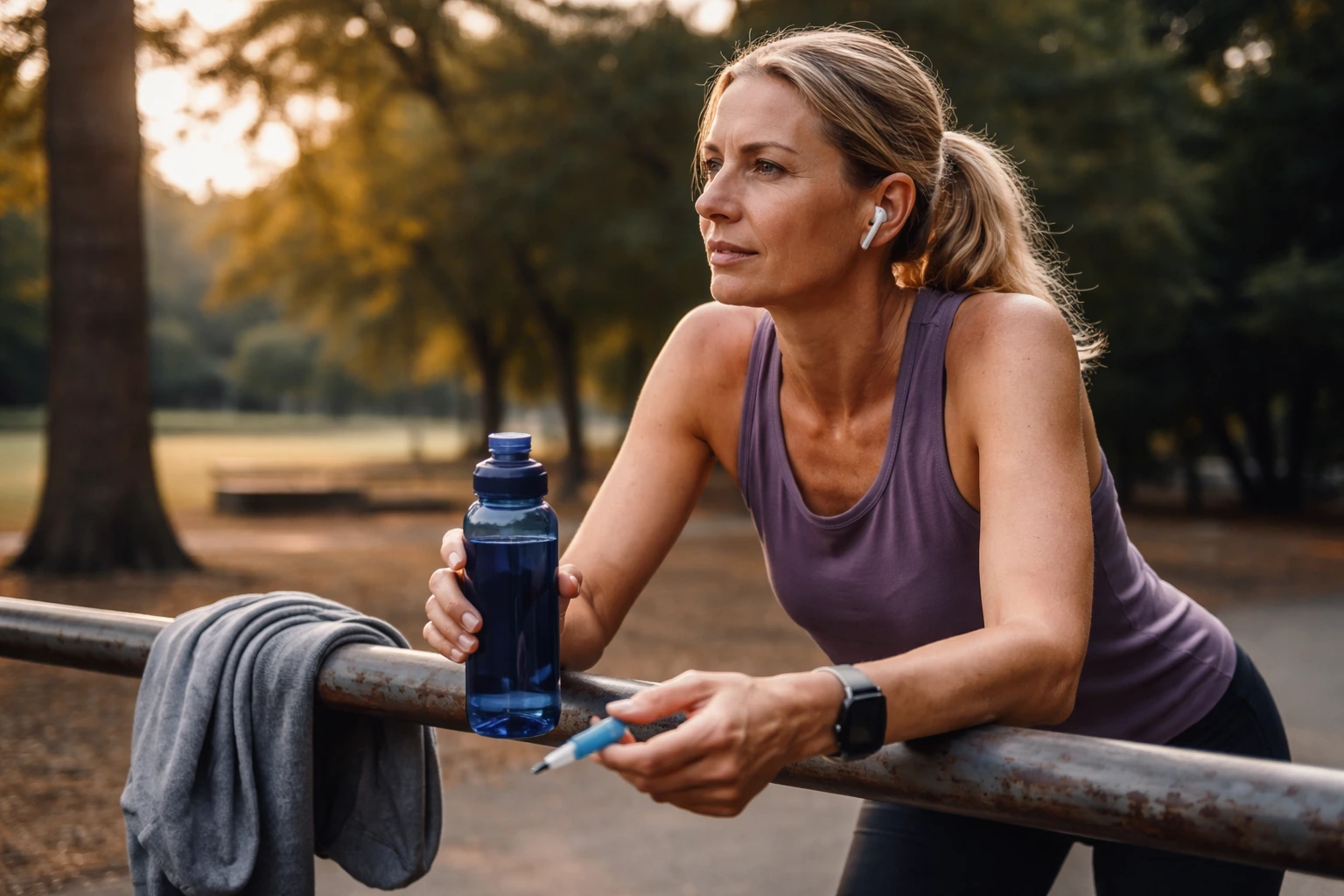
You’re on GLP-1 medication and wondering if your body can actually handle a workout, or if you should just sit this one out and let the medication do the heavy lifting, but here’s the truth: exercising on glp-1 medication could be exactly what your body needs to feel stronger, more energized, and genuinely in control of your health again.
Understanding GLP-1 medication and exercise
When you start GLP-1 medication, your body enters a new phase. The medication works by slowing digestion and affecting how your brain signals hunger, which means your energy levels, appetite, and physical response to movement all shift. Think of it like adjusting the settings on a familiar machine. Your muscles still work, your heart still pumps, but the fuel system has changed. Some seniors report feeling lighter and more energized within weeks, while others experience temporary fatigue or mild nausea as their body adapts. This is why understanding how GLP-1 interacts with exercise matters so much. When you move your body while on this medication, your blood sugar responds differently than it did before. Your muscles pull glucose differently, and your cardiovascular system may respond with slightly different intensity. This isn’t dangerous, but it does mean you need awareness. Before you lace up your walking shoes or join that water aerobics class, talk with your doctor about your specific situation. They know your medical history, your current fitness level, and how your body has responded to the medication so far.
- Consult your healthcare provider before starting any new exercise regimen while on GLP-1 medication.
- Monitor your blood sugar levels closely during and after exercise to ensure safety and effectiveness.
- Stay hydrated and choose low-impact exercises to minimize risk of injury while on GLP-1 medication.
Best types of workouts for seniors on GLP-1 medication
The best workouts for you right now are the ones that feel sustainable and don’t leave you gasping or injured. Walking is your foundation. A 20 to 30 minute walk at a comfortable pace, three to five times a week, gives your cardiovascular system exactly what it needs without shocking your body. Water-based exercise is gold for seniors on GLP-1 because the water supports your joints while you build strength and endurance. Swimming, water aerobics, or even just walking in a pool creates resistance without impact. Strength training with light weights or resistance bands, done twice a week with rest days between, helps preserve muscle mass that naturally declines with age. Yoga and tai chi improve balance and flexibility, which directly reduces fall risk, a real concern for seniors. Imagine a typical week: Monday and Thursday you do 30 minutes of walking or water exercise, Tuesday and Friday you do gentle strength work with bands, and Wednesday you try a yoga or tai chi class. This pattern keeps you active without overloading any single system. The key is consistency over intensity. Your body responds better to regular, moderate movement than to occasional intense bursts.
📘 Fix your day in under 2 minuteschoose where to begin:
Tips for safe and effective workouts with GLP-1 medication
Safety starts before you move. Warm up for five to ten minutes with gentle movement, light stretching, or slow walking. Your muscles need time to prepare, especially on medication that affects how your body processes energy. During your workout, listen for signals. Dizziness, unusual shortness of breath, chest discomfort, or sudden fatigue are signs to stop and rest. Many seniors on GLP-1 find they need less water than they think, but dehydration sneaks up fast, so drink consistently throughout your session. Wear supportive shoes with good cushioning. Your joints are carrying you through decades of life, and they deserve protection. After exercise, cool down for five to ten minutes with slower movement and gentle stretching. This helps your body transition smoothly and reduces dizziness. A common mistake is pushing too hard too fast because you feel good. GLP-1 can mask fatigue, so you might not realize you’re overdoing it until the next day when soreness or exhaustion hits. Start conservatively. If a 20 minute walk feels manageable, do that for two weeks before extending to 25 or 30 minutes. Your body will tell you when it’s ready for more.
Monitoring progress and making adjustments
Progress isn’t just about running faster or lifting heavier. For seniors on GLP-1, progress means noticing that you climb stairs without stopping to catch your breath, or that your balance feels steadier, or that you have energy at the end of the day. Keep a simple log. Write down what you did, how long you did it, and how you felt. After two weeks, patterns emerge. Maybe you notice that morning workouts leave you energized while evening ones make sleep harder. Or that strength training on certain days combines well with walking on others. Use these observations to shape your routine. If your blood sugar readings show improvement, that’s measurable progress worth celebrating. If your energy dips mid-week, consider adding a rest day. Your doctor can help interpret changes in your blood sugar response to exercise and adjust your medication if needed. Some seniors find they need less medication as fitness improves, while others stay stable. The point is to track, observe, and communicate with your healthcare team. This isn’t a static plan. It’s a living, breathing routine that evolves as your body adapts to both the medication and the movement.
Incorporating exercise into your daily routine
The best exercise plan is the one you’ll actually do. If you hate the gym, don’t join one. If you love gardening, that counts as movement. Start by identifying pockets of time in your day. A 10 minute walk after breakfast, a few minutes of stretching while watching television, a short walk to the mailbox, chair exercises while reading. These small sessions add up. Many seniors find that pairing exercise with an existing habit makes it stick. Walk while a friend calls, do balance exercises while your coffee brews, or stretch during your favorite show. Group fitness classes offer structure and social connection, which many seniors find motivating. Water aerobics classes, tai chi groups, or walking clubs create accountability and community. If you prefer solitude, that’s equally valid. A daily walk through your neighborhood, a home yoga video, or resistance band work in your living room requires no one but you. The key is starting small and building gradually. Commit to two weeks of a simple routine before expecting it to feel natural. After four weeks, most people notice their body craving the movement. You might find yourself choosing the stairs instead of the elevator, or wanting to walk instead of driving short distances. That’s the moment when exercise stops being something you do and becomes something you are.
GLP-1 medication changes how your body responds to exercise, but it doesn’t prevent you from moving and building strength. Seniors who exercise on GLP-1 medication see real benefits when they start slowly, listen to their body’s signals, and maintain consistent, moderate activity. Understanding your medication’s effects, choosing low-impact workouts that suit your fitness level, staying safe with proper warm-ups and cool-downs, tracking your progress with simple observation, and building exercise into your daily life are the core strategies that work. Your healthcare provider is your partner in this process, offering guidance specific to your health situation. The goal isn’t to become an athlete. It’s to feel stronger, more energized, and more in control of your health as you age.
Can I start a new exercise program while on GLP-1 medication?
Yes, you can start exercising while on GLP-1 medication, but timing and approach matter. Consult your healthcare provider first to discuss your fitness goals and current health status. Most doctors recommend starting with low-impact activities like walking or water exercise, then gradually increasing intensity over several weeks. If you’ve been sedentary, give your body two to three weeks to adapt to the medication before adding structured exercise. Your doctor may want to monitor your blood sugar response to activity and adjust your medication dosage if needed.
Are there specific exercises I should avoid while on GLP-1 medication?
Avoid high-impact activities that jar your joints, like running or jumping, especially when starting out. Skip exercises that require sudden bursts of energy or rapid position changes if you feel dizzy or fatigued. Heavy weightlifting without proper form can strain your body when energy levels are adjusting. Instead, focus on walking, swimming, water aerobics, gentle yoga, tai chi, and light resistance training. Listen to your body. If an activity causes chest discomfort, dizziness, or unusual shortness of breath, stop immediately and contact your doctor.
Others also read:
Disclaimer: This article is for informational purposes only and is not a substitute for professional medical advice. Always consult a healthcare professional for personal guidance.
This guide has been prepared and reviewed by the GlobalHealthBeacon editorial team and reflects current medical research as of 2026. It provides structured, evidence-based information to support informed health decisions.
