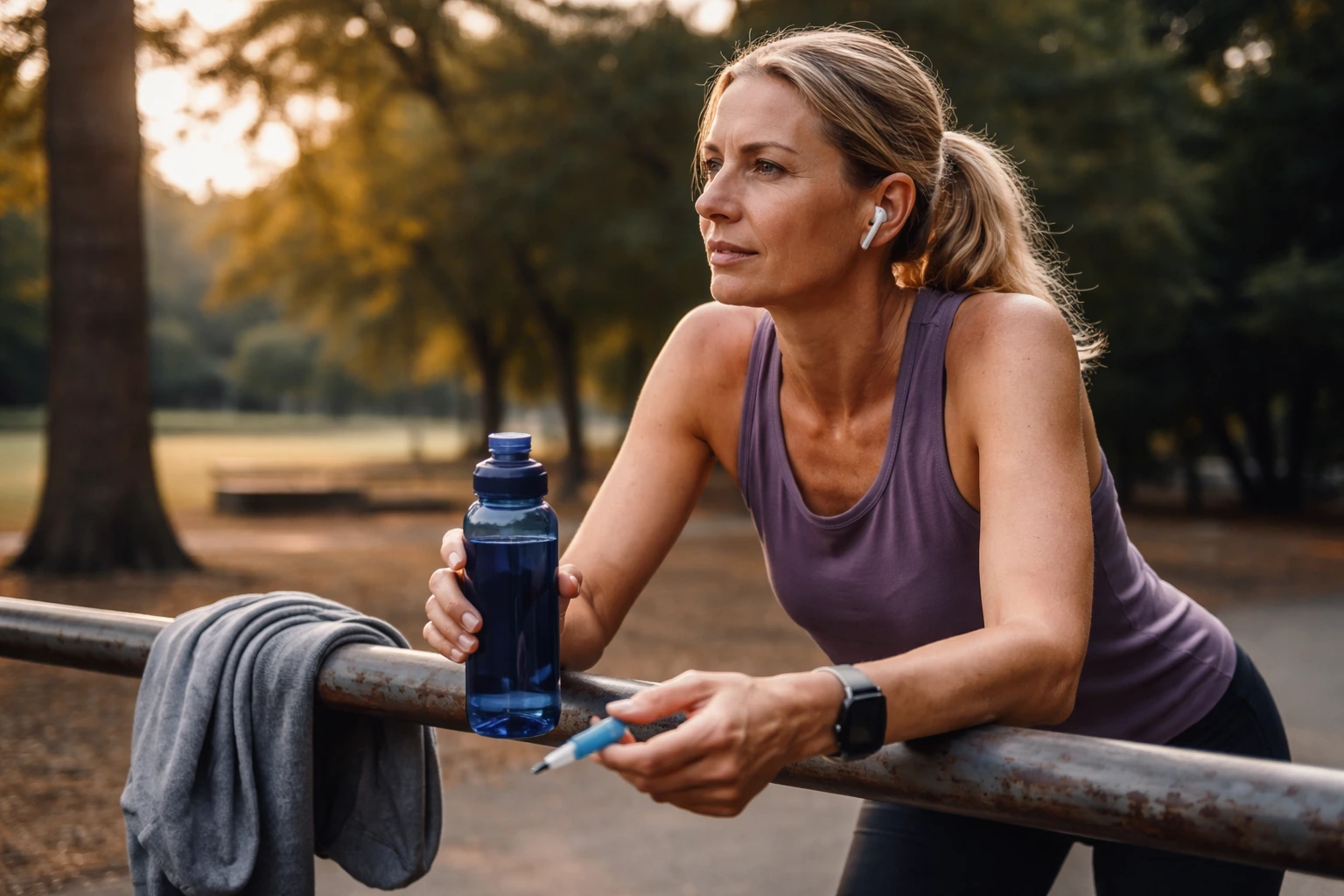
You’re on GLP-1 medication, your energy feels unpredictable, and exercising on glp-1 medication feels like trying to work out with invisible weights holding you back, so you need a fitness strategy that actually works with your body instead of against it.
Understanding the benefits of GLP-1 medication
GLP-1 medications work by mimicking a natural hormone that helps regulate blood sugar and appetite signals in your brain. When you start taking these medications, your body undergoes real changes. You might notice that hunger cues feel different, or that you feel fuller faster during meals. This is the medication doing its job. The science behind it is straightforward: GLP-1 agonists slow down how quickly your stomach empties, which means food stays in your digestive system longer, keeping you satisfied. Combining this medication with exercise creates a powerful partnership. Your workouts enhance insulin sensitivity, meaning your cells respond better to insulin and use glucose more efficiently. A woman who starts GLP-1 medication and adds consistent exercise often sees faster metabolic improvements than medication alone. The combination also helps preserve lean muscle mass during weight loss, which is crucial because muscle tissue burns more calories at rest. Think of it this way: the medication handles appetite regulation and blood sugar control, while exercise amplifies those effects and builds the body composition you want.
- Increases insulin production
- Regulates appetite
- Promotes weight loss
Getting started with cardio workouts
Cardiovascular exercise is one of the most accessible ways to complement GLP-1 therapy. Walking, cycling, swimming, and dancing all count as cardio, and you get to choose based on what feels sustainable for your lifestyle. Start with moderate intensity, meaning you can hold a conversation but feel your heart working. Many women find that 150 minutes of moderate cardio per week, spread across several days, pairs well with GLP-1 medication. A practical example: Sarah, a 42-year-old on GLP-1, started with 20-minute evening walks three times weekly. After four weeks, she increased to 30 minutes and added one cycling session. Her energy improved, and her weight loss accelerated. The key is consistency over intensity when you are starting out. Cardio improves cardiovascular health, boosts metabolism, and helps your body use glucose more effectively. One common mistake is pushing too hard too fast, which can lead to fatigue or burnout. Instead, build gradually. Your body is already adjusting to medication changes, so give it time to adapt to new exercise demands.
📘 Fix your day in under 2 minuteschoose where to begin:
Incorporating strength training
Strength training is the secret weapon many women overlook when taking GLP-1 medication. Building lean muscle mass directly supports weight loss because muscle tissue burns more calories than fat tissue, even when you are resting. You do not need heavy weights or a gym membership. Bodyweight exercises like squats, push-ups, planks, and lunges work exceptionally well. Start with two sessions per week, targeting major muscle groups. A realistic scenario: Jennifer, 38, began with 15-minute home workouts using dumbbells she already owned. She focused on compound movements that work multiple muscles at once. Within eight weeks, she noticed her metabolism felt stronger and her weight loss plateaued less frequently. Strength training also improves bone density, which becomes increasingly important for women as they age. The combination of GLP-1 medication and strength training helps preserve muscle while losing fat, creating a leaner physique. A common pitfall is assuming cardio alone is enough. Strength training is equally important for long-term metabolic health and body composition changes.
Exploring flexibility and balance exercises
Flexibility and balance work might seem less exciting than cardio or strength training, but they are essential for sustainable fitness, especially while your body adjusts to GLP-1 medication. Yoga, Pilates, tai chi, and stretching routines improve your range of motion, reduce muscle tension, and enhance body awareness. These practices also calm your nervous system, which helps manage stress-related eating patterns. Many women report better sleep quality after adding yoga to their routine. A practical example: Michelle, 45, added two 30-minute yoga sessions weekly to her existing cardio and strength routine. She noticed improved posture, less lower back pain, and better recovery between harder workouts. Flexibility exercises reduce injury risk, which matters because you are building new exercise habits while your body is changing. Balance work also supports injury prevention and improves coordination. These gentler modalities give your body active recovery days while still contributing to overall fitness. Think of flexibility and balance work as the foundation that allows your harder workouts to be safer and more effective.
Creating a balanced workout routine
The most effective fitness approach while on GLP-1 medication combines all four exercise types into one cohesive plan. A balanced routine typically looks like this: three to four days of cardio or strength training, one to two days of flexibility or balance work, and at least one full rest day weekly. Your body needs recovery time to adapt to both medication and exercise changes. A sample week might include Monday strength training, Tuesday cardio, Wednesday yoga, Thursday strength training, Friday cardio, Saturday Pilates, and Sunday rest. Consistency matters far more than perfection. Many women make the mistake of creating overly ambitious plans they cannot maintain, then quit entirely. Instead, start with what you can realistically do three times weekly, then build from there. Track how you feel, not just numbers on the scale. Energy levels, sleep quality, mood, and how your clothes fit are all valid measures of progress. Your routine should feel like something you can sustain for months and years, not a temporary sprint. The goal is creating habits that support your health long-term while you are on GLP-1 medication.
GLP-1 medication, when combined with the right exercise routine, can significantly improve insulin production, regulate appetite, promote weight loss, and enhance overall health for women. Cardio, strength training, flexibility, and balance exercises are all essential components to consider for a well-rounded fitness regimen.
Can I exercise vigorously on GLP-1 medication?
It’s important to consult your healthcare provider before engaging in any vigorous exercise routine while on GLP-1 medication. Your doctor can provide personalized guidance based on your individual health needs.
Are there specific exercises that are better for women on GLP-1 medication?
While there are no specific exercises that are exclusive to women on GLP-1 medication, incorporating a mix of cardiovascular, strength training, flexibility, and balance exercises can be highly beneficial for overall health and well-being.
Others also read:
Disclaimer: This article is for informational purposes only and is not a substitute for professional medical advice. Always consult a healthcare professional for personal guidance.
This guide has been prepared and reviewed by the GlobalHealthBeacon editorial team and reflects current medical research as of 2026. It provides structured, evidence-based information to support informed health decisions.
