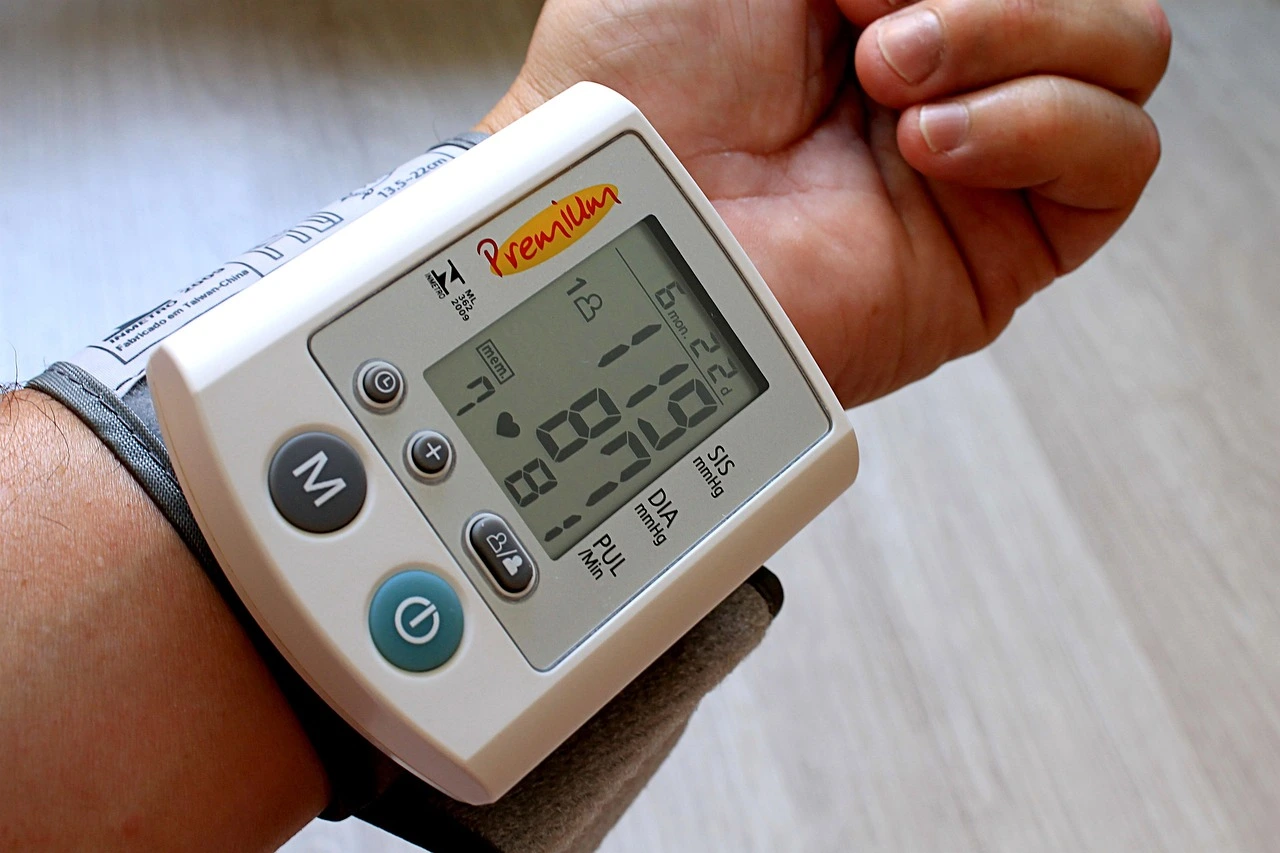
Your doctor keeps asking about your blood pressure readings, but the thought of sitting in another waiting room makes you grind your teeth – so why not measure blood pressure at home where you’re comfortable and in control?
Choosing the right blood pressure monitor
Walking into a pharmacy and staring at rows of blood pressure monitors can feel overwhelming. The good news is that most automatic, cuff-style devices work well for seniors. Look for one with a large, backlit display that shows numbers clearly without squinting. The cuff should fit snugly around your bare upper arm, with the bladder centered over your artery. A validated monitor matters too – check if it has been tested by organizations like the American Heart Association. Consider a model with memory storage so it tracks your readings automatically, saving you from keeping handwritten notes. Some devices even connect to your phone, though a simple manual model works just fine. Take time to read the manufacturer’s instructions before your first use, and don’t hesitate to ask a pharmacist for a demonstration.
- Check if the monitor is validated for accuracy by major health organizations.
- Consider the size and functionality of the device for ease of use.
- Follow the manufacturer’s instructions for proper usage and maintenance.
Preparing for the measurement
Preparation is half the battle when it comes to getting accurate readings. Sit down in a quiet, comfortable spot and wait at least five minutes before you even touch the cuff. This matters more than you might think. If you have just finished your morning coffee, exercised, or felt stressed about something, your blood pressure will be artificially high. Empty your bladder first – a full bladder can raise your reading by several points. Position yourself so your arm rests at heart level on a table or armrest. Your feet should be flat on the floor, not dangling or crossed. Keep the room at a comfortable temperature, and avoid talking during the measurement. Think of it like preparing for a doctor’s visit – the calmer and more settled you are, the more honest your numbers will be.
📘 Fix your day in under 2 minuteschoose where to begin:
Taking the blood pressure reading
Now comes the actual measurement. Wrap the cuff around your bare upper arm, about an inch above your elbow crease. Make sure it is snug but not tight – you should be able to slip one finger underneath. Sit back, rest your arm on the table, and press the start button. Stay completely still and quiet while the device inflates and deflates. This usually takes 30 to 60 seconds. You will feel the cuff tighten, which is normal. Once the reading appears on the screen, write down both numbers: the top number is your systolic pressure, which measures pressure when your heart beats, and the bottom number is your diastolic pressure, which measures pressure between beats. If the reading seems unusually high or low, wait a few minutes and take another measurement. Most experts recommend taking two readings, one minute apart, and averaging them for the most accurate result.
Interpreting and recording results
Your numbers tell a story about your cardiovascular health. Normal blood pressure is generally below 120/80. Elevated readings fall between 120-129 and below 80. Stage 1 high blood pressure ranges from 130-139 systolic or 80-89 diastolic. Stage 2 is 140 or higher systolic or 90 or higher diastolic. But don’t panic if one reading is high – that is why tracking matters. Keep a simple log with the date, time, and your readings. Note anything that might have affected the result: did you have coffee that morning, were you stressed about a bill, or did you just finish a walk? Over time, patterns emerge. Your doctor needs this information to see the full picture of your blood pressure trends, not just a single snapshot from the office. Share your log with your healthcare provider at each visit, or send photos of your readings if your doctor prefers digital records.
Consulting your healthcare provider
Home blood pressure monitoring is not meant to replace your doctor’s care – it is meant to support it. Bring your log or device to every appointment and discuss what the numbers reveal. Your healthcare provider can spot trends you might miss and adjust your treatment plan accordingly. Some people find that their blood pressure is lower at home than in the doctor’s office, a phenomenon called white coat hypertension. Others discover that their readings are higher at home, which signals that their current medications or lifestyle habits need adjustment. Your doctor might ask you to monitor more frequently during certain periods, such as after starting a new medication or during stressful life events. This partnership between you and your healthcare team is where real progress happens. You become an active participant in your own health, not a passive observer.
Home blood pressure monitoring gives you control and clarity about your cardiovascular health. Start by choosing a validated automatic monitor with a comfortable cuff and clear display. Prepare properly by resting for five minutes, avoiding caffeine and stress, and positioning your arm at heart level. Take your reading carefully, record both numbers, and note any factors that might influence the result. Track your readings over time to reveal patterns, and share your log regularly with your healthcare provider. This simple routine transforms how you manage your blood pressure and empowers you to make informed decisions about your health.
How often should I monitor my blood pressure at home?
It’s generally recommended to check your blood pressure at home at least twice a day, once in the morning and once in the evening, or as advised by your healthcare provider.
Can stress affect my home blood pressure readings?
Yes, stress can impact blood pressure readings. It’s essential to relax and sit quietly for a few minutes before taking your measurement to obtain accurate results.
Others also read:
Disclaimer: This article is for informational purposes only and is not a substitute for professional medical advice. Always consult a healthcare professional for personal guidance.
This guide has been prepared and reviewed by the GlobalHealthBeacon editorial team and reflects current medical research as of 2026. It provides structured, evidence-based information to support informed health decisions.
