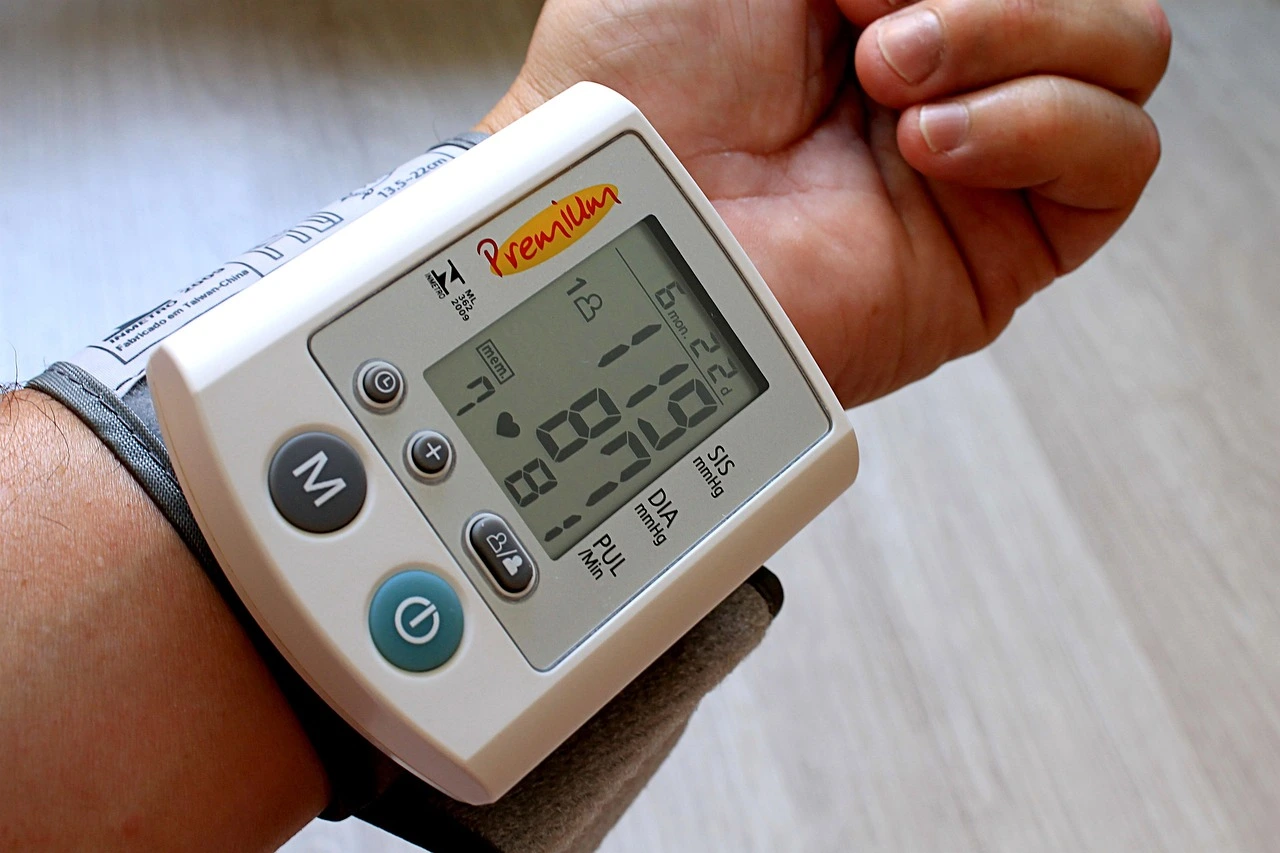
You wake up feeling fine, but then that familiar flutter of worry hits, and you wonder if your blood pressure is creeping up again, leaving you scrambling to measure blood pressure at home just to feel like you have some control over what’s happening in your body.
The importance of monitoring blood pressure
Think back to the last time you sat in your doctor’s office and they wrapped that cuff around your arm. One reading. That’s all you get during a typical appointment, and then you’re supposed to trust that single number represents your whole cardiovascular story. But here’s what most people don’t realize: your blood pressure changes throughout the day, influenced by stress, sleep, what you ate, even the weather. When you start monitoring at home, you begin to see the real picture. Maybe you notice your readings spike right after your morning coffee, or dip when you take an evening walk. These patterns become gold when you share them with your healthcare provider because suddenly they’re not guessing. They’re working with actual data from your real life, not just a snapshot from one stressful doctor visit.
- Track fluctuations in blood pressure throughout the day and identify your personal patterns
- Identify triggers that may elevate blood pressure, such as stress, caffeine, or certain activities
- Monitor the effectiveness of lifestyle changes and medications over weeks and months
Choosing the right blood pressure monitor
Walking into a pharmacy and staring at rows of blood pressure monitors can feel overwhelming. Do you need the fancy one? The one that connects to your phone? The simple dial version? Here’s the truth: the best monitor is the one you’ll actually use consistently. Most experts recommend an automatic upper arm monitor because they’re easier to operate than manual ones, especially if your hands aren’t as steady as they used to be. Make sure the cuff fits properly, which means measuring your arm circumference first. A cuff that’s too loose gives falsely high readings, while one that’s too tight does the opposite. Look for a device with a clear digital display you can actually read without squinting, memory storage so you don’t have to write everything down, and ideally, one that’s been validated for accuracy. Some people find it helpful to choose a monitor that syncs with their smartphone or tablet, making it easier to track trends over time.
💬 Ready to feel better in 2 minutes?choose where to begin:
Establishing a routine for monitoring
Consistency is where the magic happens, but it’s also where most people stumble. You can’t just check your blood pressure whenever you feel like it and expect meaningful results. Instead, pick a specific time each day, ideally in the morning before you’ve had coffee or eaten breakfast, and stick with it like you would a medication schedule. Sit down for at least five minutes before taking your reading, feet flat on the ground, back supported, and your arm at heart level. This might sound fussy, but these details matter because they eliminate variables that could skew your numbers. Some people find it helpful to take two readings a few minutes apart and average them. Keep a simple log, whether it’s a notebook by your bedside or a notes app on your phone, recording the date, time, and the actual numbers. Over a few weeks, you’ll start seeing your baseline, which becomes incredibly valuable information for conversations with your doctor.
Tracking and sharing results with your healthcare provider
Here’s where home monitoring transforms from just a habit into real health management. Those readings sitting in your notebook or phone aren’t just for your peace of mind, they’re powerful tools for your healthcare team. Before your next appointment, spend a few minutes reviewing your log and jotting down any patterns you noticed. Did your readings trend higher during stressful weeks? Did they improve after you started walking more? Bring this information to your doctor. Some providers appreciate a simple printout or a photo of your log, while others might ask you to email the data ahead of time. This conversation shifts from your doctor telling you what they think is happening to you both looking at evidence together. If you notice consistently elevated readings, don’t panic and don’t ignore them either. Contact your healthcare provider to discuss what you’re seeing. They might adjust your treatment plan, suggest lifestyle modifications, or simply reassure you that what you’re experiencing is normal for you.
Monitoring blood pressure at home empowers seniors to take control of their cardiovascular health. By choosing the right blood pressure monitor, establishing a monitoring routine, and sharing results with healthcare providers, seniors can effectively track their blood pressure and make informed decisions.
How often should seniors check their blood pressure at home?
Seniors should aim to check their blood pressure at home at least once a day, preferably at the same time each day. Some healthcare providers may recommend twice daily readings or more frequent monitoring depending on individual health circumstances.
What should seniors do if they notice consistently high readings?
Seniors should consult their healthcare provider if they consistently observe high blood pressure readings to discuss potential causes and adjustment of their treatment plan. Do not make changes to medications or lifestyle without professional guidance.
Others also read:
Disclaimer: This article is for informational purposes only and is not a substitute for professional medical advice. Always consult a healthcare professional for personal guidance.
This article presents an experience-based perspective and has been reviewed by the GlobalHealthBeacon editorial team in 2026. It provides structured, evidence-based information to support informed health decisions.
