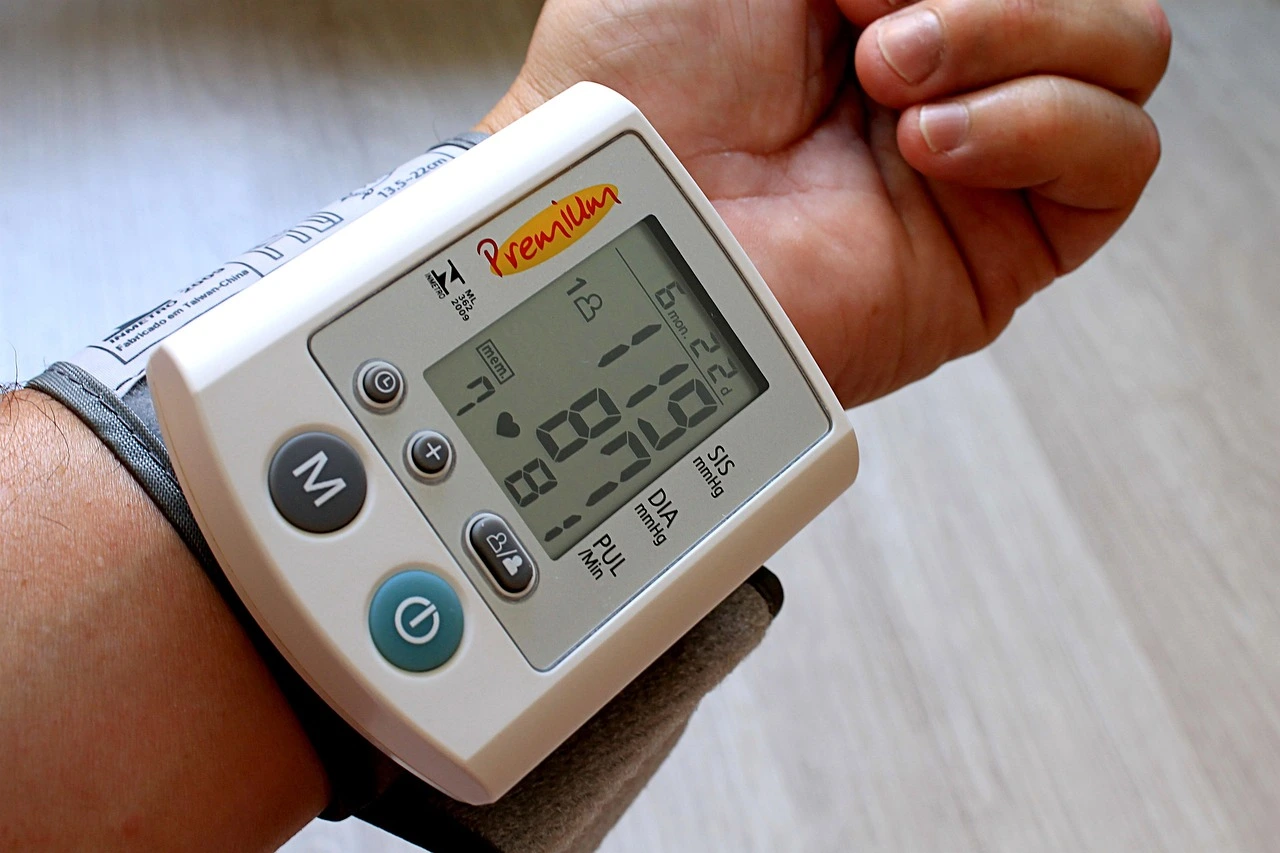
Your blood pressure reading at home yesterday was 128, today it’s 142, and you’re wondering if something’s seriously wrong or if you’re just losing your mind over numbers that keep jumping around like they have a mind of their own.
Understanding blood pressure variability
Blood pressure naturally fluctuates throughout the day, and for women, this variability can be more pronounced than many realize. Your readings shift based on stress levels, caffeine intake, physical activity, and even the time of day you measure. Consider Sarah, a 52-year-old who noticed her morning readings were consistently lower than her evening ones. She discovered that her afternoon coffee habit and work stress were driving up her numbers by evening. Beyond these daily factors, women experience unique hormonal rhythms. During the menstrual cycle, blood pressure can rise and fall with progesterone and estrogen levels. Menopause introduces another layer of complexity, as declining estrogen can lead to sustained increases in blood pressure for some women. Understanding these patterns helps distinguish between normal variation and genuine changes requiring medical attention. The key is recognizing that a single reading tells only part of the story. Multiple readings over time reveal the true picture of your cardiovascular patterns.
Hormonal influence on blood pressure
Estrogen acts as a natural vasodilator, helping blood vessels relax and maintain lower pressure. When estrogen levels fluctuate, this protective effect wavers, leading to measurable changes in readings. During the luteal phase of the menstrual cycle, progesterone rises while estrogen dips, and many women report higher blood pressure during this window. Menopause represents a significant hormonal shift. As estrogen production declines, women often experience a noticeable increase in baseline blood pressure that can persist for years. Research shows that women in their 50s and 60s frequently develop hypertension during or shortly after menopause, partly due to this hormonal transition. Hormone replacement therapy affects this picture differently for each woman. Some find their blood pressure stabilizes with HRT, while others see minimal change. This is why tracking your readings alongside your menstrual cycle or menopausal stage provides valuable context. Keeping a simple log noting the date, reading, and where you are in your cycle helps you and your healthcare provider identify patterns unique to your body.
Environment and technique matters
The accuracy of your home blood pressure readings depends heavily on how and where you measure. An incorrectly sized cuff can skew results by 10 to 15 millimeters of mercury, making a normal reading appear elevated or vice versa. Many women use cuffs designed for average adult arms when they actually need a smaller or larger size. Your arm position during measurement is equally critical. If your arm hangs below heart level, gravity artificially inflates the reading. If it’s held too high, the opposite occurs. The environment matters too. Measuring in a noisy, chaotic household produces different results than measuring in a calm space. Temperature affects readings as well; cold rooms can cause blood vessel constriction, raising numbers. Consider the timing of your measurement. Avoid measuring immediately after exercise, caffeine consumption, or emotional stress. Wait at least five minutes after sitting down. The best practice involves taking readings at the same time each day, in the same location, using the same device. This consistency creates a reliable baseline for comparison.
- Use the correct cuff size for accurate readings.
- Sit in a quiet room with back supported and feet flat on the floor.
- Ensure the arm is at heart level when measuring blood pressure.
🔬 Science-backed benefits in 2 minuteschoose where to begin:
Stress and anxiety impact
Stress triggers the release of cortisol and adrenaline, hormones that cause blood vessels to constrict and heart rate to increase, temporarily raising blood pressure. For many women, home is supposed to be a refuge, yet it often becomes a source of stress. Managing household responsibilities, family dynamics, financial worries, or caregiving duties can create a constant low-level anxiety that manifests in elevated readings. Some women experience white coat syndrome in reverse, showing higher readings at home due to anxiety about the numbers themselves. This creates a frustrating cycle where worry about blood pressure actually raises it. Deep breathing exercises offer a scientifically supported way to interrupt this pattern. The 4-7-8 technique, where you inhale for four counts, hold for seven, and exhale for eight, activates the parasympathetic nervous system and promotes relaxation. Progressive muscle relaxation, where you systematically tense and release muscle groups, also reduces stress hormones. Meditation or guided imagery for even 10 minutes before measuring can lower readings by several points. These techniques work because they shift your nervous system from fight-or-flight mode to rest-and-digest mode, allowing your cardiovascular system to settle into its true baseline.
Healthy lifestyle habits
Consistent lifestyle choices create the foundation for stable blood pressure readings. Regular aerobic exercise, such as brisk walking for 30 minutes most days, strengthens the cardiovascular system and improves blood vessel flexibility. Women who maintain this habit often see their baseline readings drop over weeks and months. Diet plays an equally important role. The DASH diet, rich in fruits, vegetables, whole grains, and lean proteins while low in sodium, has strong evidence supporting its blood pressure-lowering effects. Reducing sodium intake from processed foods can make a measurable difference. Sleep quality and duration matter more than many women realize. Poor sleep or insufficient sleep increases inflammation and stress hormones, both of which raise blood pressure. Aim for seven to nine hours nightly in a cool, dark room. Limiting alcohol consumption also stabilizes readings, as excessive alcohol can raise blood pressure over time. Weight management, if needed, contributes significantly to blood pressure control. Even a 5 to 10 percent reduction in body weight can lower readings meaningfully. These habits work synergistically. A woman who walks regularly, eats a balanced diet, sleeps well, and manages stress typically sees more stable and lower readings than someone neglecting these areas.
Regular monitoring and professional consultation
Home blood pressure monitoring provides a window into your cardiovascular health that clinical visits alone cannot offer. A single reading at your doctor’s office may not reflect your typical patterns, especially if you experience anxiety during medical appointments. Tracking readings over weeks and months reveals trends that guide treatment decisions. Many women benefit from using a blood pressure log or smartphone app to record readings, noting the date, time, and any relevant factors like stress level or recent activity. This data becomes invaluable during healthcare conversations. Your doctor can identify whether your readings consistently run high, show concerning spikes, or vary widely. Some women discover they have masked hypertension, where readings appear normal at the doctor’s office but are elevated at home. Others find their home readings are actually lower than expected, reducing unnecessary worry. Professional interpretation ensures you understand what your numbers mean for your individual health picture. Your healthcare provider can also recommend whether lifestyle changes alone might address your blood pressure or if medication would be beneficial. Regular monitoring combined with professional guidance creates a comprehensive approach to cardiovascular health management.
Understanding the fluctuations in women’s blood pressure readings at home involves considering hormonal influences, environmental factors, stress levels, and lifestyle habits. By maintaining consistency in measurement techniques and seeking professional guidance, women can gain better insights into their cardiovascular health.
Can stress affect blood pressure readings at home?
Yes, stress can lead to temporary spikes in blood pressure, impacting readings taken at home. Managing stress through relaxation techniques can help achieve more accurate results.
Why are consistent measurement techniques important for accurate blood pressure readings?
Consistent techniques such as using the right cuff size, proper arm positioning, and a calm environment are crucial for obtaining reliable blood pressure measurements that reflect true levels.
Others also read:
Disclaimer: This article is for informational purposes only and is not a substitute for professional medical advice. Always consult a healthcare professional for personal guidance.
This article has been prepared and reviewed by the GlobalHealthBeacon editorial team and is based on current medical research and published scientific literature available in 2026. It provides structured, evidence-based information to support informed health decisions.
