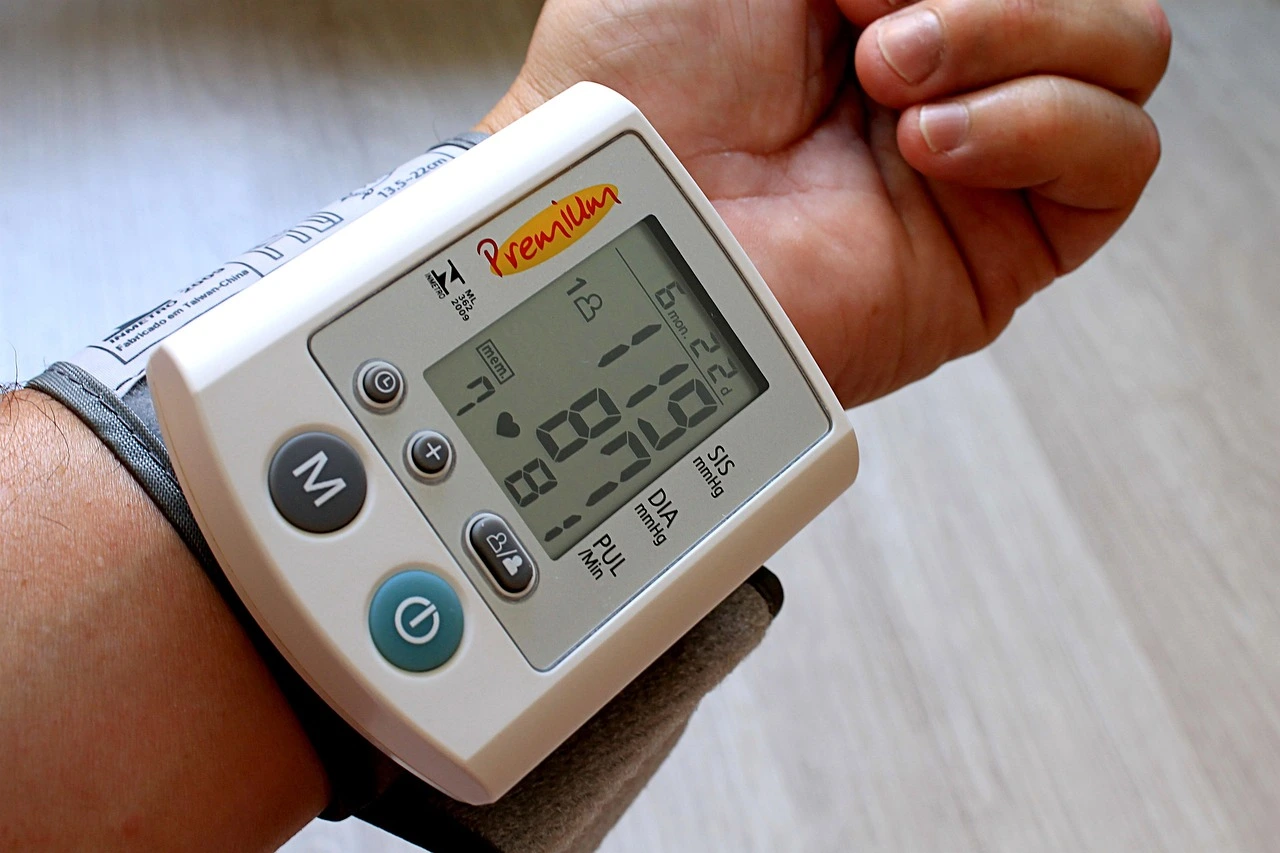
You’re tired of white-coat syndrome making your doctor visits feel like a stress test, and you’re done guessing whether your numbers are actually normal or just spiked because you rushed to the appointment—so you decide to measure blood pressure at home where you can actually relax and get real data about what’s really happening in your body.
The importance of home blood pressure monitoring
Home blood pressure monitoring transforms how women understand their cardiovascular health by capturing readings in a familiar, low-stress environment where anxiety won’t artificially inflate numbers. Consider Sarah, a 52-year-old woman whose doctor suspected hypertension based on office visits, but when she started measuring at home, her readings consistently showed normal patterns. This discovery prevented unnecessary medication and revealed that her spikes occurred only during stressful work days. Regular home monitoring creates a personal health diary that reveals patterns invisible during sporadic clinic visits. You might notice your pressure rises on mornings after poor sleep, or dips after exercise, or stays elevated during high-stress projects. These patterns matter because they guide real lifestyle adjustments rather than one-size-fits-all medical interventions. Women especially benefit from this data because hormonal fluctuations, menopause transitions, and stress responses can create significant daily variations that a single office reading completely misses.
Accuracy of home blood pressure devices
Modern home blood pressure monitors deliver clinical-grade accuracy when you use them correctly, with many models validated against hospital equipment and approved by medical organizations. Upper-arm cuff monitors consistently outperform wrist or finger devices because they measure pressure closer to the heart where readings most accurately reflect systemic circulation. Look for devices displaying validation marks from organizations like the American Heart Association or the British Hypertension Society, which means the manufacturer tested the device against rigorous standards. Common features like irregular heartbeat detection alert you when your device detects arrhythmias, prompting you to consult your doctor. Memory storage allows you to track trends over weeks and months, revealing whether your numbers improve with lifestyle changes. The key accuracy factor isn’t the device itself but proper technique: an incorrectly sized cuff, a dangling arm, or talking during measurement can shift readings by 10-20 mmHg. Investing in a validated device with proper cuff sizing options ensures you’re getting reliable data you can actually trust and share with your healthcare provider.
How to measure blood pressure at home
Measuring blood pressure correctly requires creating the right physical and mental conditions so your readings reflect your actual baseline rather than measurement-induced stress. Start by sitting quietly for five minutes in a comfortable chair with your back supported and feet flat on the floor, allowing your heart rate and breathing to settle into a resting state. Your arm should rest at heart level on a table or armrest, not held up or dangling, because gravity affects pressure readings significantly. Wrap the cuff snugly around your bare arm about one inch above your elbow, ensuring it’s not too tight that you can’t slip a finger underneath. Many women make the mistake of measuring over clothing or with the cuff too loose, which distorts readings. Avoid caffeine, exercise, and stressful activities for at least 30 minutes before measuring. Stay silent during the reading because talking activates your nervous system and raises pressure. Record measurements at the same time daily, ideally in the morning before eating or taking medications, because circadian rhythms naturally influence blood pressure. Taking multiple readings on different days and averaging them gives you more reliable data than single measurements.
- Sit quietly for 5 minutes before measurement.
- Place the cuff snugly on your arm at heart level.
- Relax and avoid talking during the reading.
🔬 Science-backed benefits in 2 minuteschoose where to begin:
Interpreting your blood pressure data
Understanding your blood pressure numbers requires knowing what the two values mean and how they relate to your overall cardiovascular risk. The top number, systolic pressure, measures the force when your heart contracts and pushes blood into arteries. The bottom number, diastolic pressure, measures the force when your heart relaxes between beats. Normal readings fall below 120/80 mmHg, elevated readings range from 120-129 systolic with diastolic below 80, and stage 1 hypertension begins at 130/80. Women sometimes experience different patterns than men, particularly during menopause when hormonal changes can trigger sustained elevation. A single high reading doesn’t mean you have hypertension; doctors look for consistent elevation over time. If you’re consistently seeing readings above 130/80, that’s information worth discussing with your healthcare provider, but don’t panic from one outlier reading. Track whether your numbers trend upward, stay stable, or improve with lifestyle changes. Understanding this context prevents unnecessary anxiety while ensuring you recognize genuine patterns requiring medical attention.
Maintaining a healthy blood pressure
Blood pressure responds dramatically to lifestyle factors, meaning your daily choices directly influence the numbers you see on your monitor. Regular physical activity, even moderate walking for 30 minutes most days, strengthens your cardiovascular system and naturally lowers pressure over weeks. Dietary sodium reduction, particularly cutting processed foods where hidden salt accumulates, produces measurable improvements in many women. Stress management through meditation, yoga, or simply spending quiet time outdoors activates your parasympathetic nervous system, the biological brake that lowers pressure. Weight management matters because excess body weight forces your heart to work harder to circulate blood. Limiting alcohol and managing sleep quality also significantly influence readings. Home monitoring empowers you because you see these connections directly: you measure after a stressful day and notice elevation, then measure after a calm weekend and see improvement. This real-time feedback motivates sustained behavior change far more effectively than abstract health advice. Women who actively monitor often report feeling more in control of their health because they’re not passively waiting for doctor appointments to learn their status.
The future of blood pressure monitoring
Emerging wearable technology promises continuous blood pressure monitoring through smartwatches and patches that track pressure throughout daily activities, revealing how specific situations affect your cardiovascular system. Imagine seeing exactly how your pressure responds to different types of stress, exercise intensity, sleep quality, or hormonal phases. Artificial intelligence algorithms could analyze your personal patterns and predict when pressure might spike, allowing preventive intervention before problems develop. Some devices already measure blood pressure non-invasively through optical sensors, eliminating the need for cuffs entirely. Smartphone apps increasingly integrate with home monitors, automatically uploading readings to your healthcare provider’s portal for real-time monitoring. Telemedicine platforms allow doctors to review your home data and adjust treatment plans without office visits. These advances particularly benefit women managing complex health situations where traditional monthly check-ups miss important variations. Staying informed about these emerging tools positions you to adopt technologies that enhance your personal health management as they become available and validated.
Measuring blood pressure at home gives you scientific insight into your cardiovascular health by capturing readings in your natural environment where stress won’t distort results. Understanding device accuracy, mastering proper measurement technique, and interpreting your data empowers you to recognize patterns and make informed lifestyle adjustments. Women benefit especially from home monitoring because it reveals how hormonal changes, stress, and daily activities uniquely affect their individual pressure patterns. By taking charge of your data rather than relying solely on sporadic office visits, you transform from a passive patient into an active participant in your cardiovascular health management.
Is it accurate to measure blood pressure at home?
Yes, validated home blood pressure monitors deliver clinical-grade accuracy when used correctly with proper technique. Upper-arm cuff devices outperform wrist models because they measure closer to your heart. Choose devices validated by medical organizations like the American Heart Association. The accuracy depends more on your measurement technique than the device itself, so follow instructions carefully regarding cuff placement, arm position, and timing.
How often should I measure my blood pressure at home?
Most healthcare providers recommend measuring once daily at the same time, ideally in the morning before eating or taking medications. If you’re managing hypertension or experiencing concerning symptoms, your doctor might suggest twice-daily readings. Consistency matters more than frequency because it reveals your personal baseline and patterns. Discuss your specific measurement schedule with your healthcare provider based on your individual health situation and medical history.
Others also read:
Disclaimer: This article is for informational purposes only and is not a substitute for professional medical advice. Always consult a healthcare professional for personal guidance.
This article has been prepared and reviewed by the GlobalHealthBeacon editorial team and is based on current medical research and published scientific literature available in 2026. It provides structured, evidence-based information to support informed health decisions.
