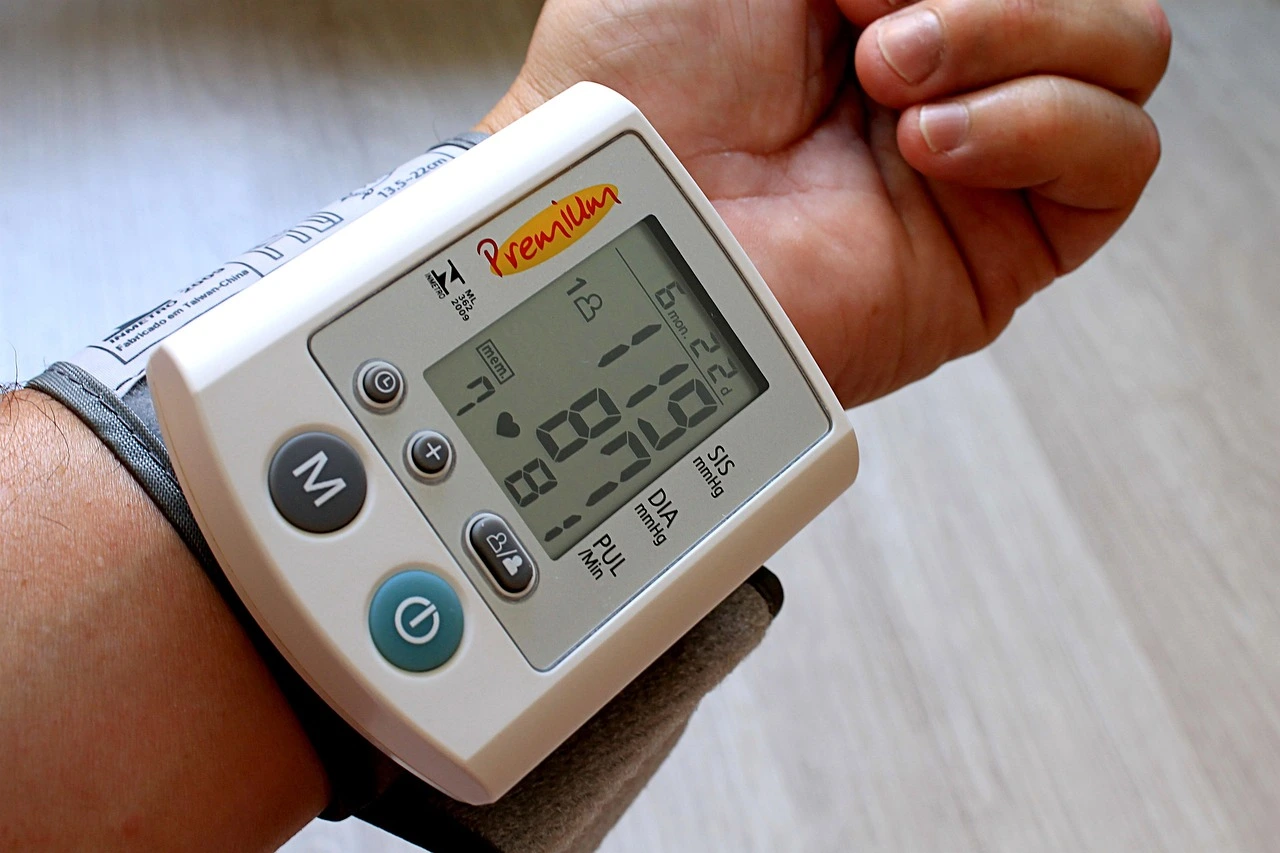
That moment when you check your blood pressure at home and the number stares back at you higher than yesterday is enough to make your heart race even faster, which honestly just makes everything worse.
Importance of regular monitoring
When Margaret first started measuring her blood pressure at home three years ago, she felt lost. She’d grab her monitor whenever she remembered, scribble numbers on random pieces of paper, and wonder if any of it actually mattered. Then her cardiologist explained something that changed everything: your home readings tell a story that no single doctor’s office visit ever could. Regular monitoring reveals the real you, not just the version of you sitting nervously in a medical chair. Think about it this way. You might be calm at your appointment, but what about when you’re stressed about bills or haven’t slept well? Those moments matter. By tracking consistently at the same time each day, you start seeing patterns. Maybe your pressure spikes in the morning. Maybe it dips after your evening walk. These patterns are gold. They help your doctor understand what’s really happening with your body and whether your current approach is actually working.
- Monitor at the same time each day
- Use an accurate and reliable blood pressure monitor
- Record readings in a dedicated log or app
Choosing the right equipment
Robert spent forty dollars on a wrist monitor from a discount store and wondered why his readings seemed all over the place. Turns out, his device wasn’t validated by any health organization. He was essentially guessing. The right equipment makes a real difference. An automatic upper-arm cuff monitor is your best bet because it’s designed to be accurate and user-friendly. Look for devices that have been validated by organizations like the American Heart Association. Avoid wrist monitors unless your doctor specifically recommends one, because positioning matters enormously and wrist devices are trickier to use correctly. When you’re buying, don’t just grab the cheapest option. Think of it as an investment in your health. A good monitor costs between fifty and one hundred fifty dollars and can last years. Make sure it fits your arm properly. Too loose and readings climb artificially high. Too tight and they drop. Some monitors even connect to your phone, which makes logging readings effortless if you’re comfortable with technology.
💬 Ready to feel better in 2 minutes?choose where to begin:
Maintaining a healthy lifestyle
Eleanor discovered something profound when she started her BP management journey: what she did every single day mattered more than any single decision. She began walking twenty minutes after dinner, not because someone told her to, but because she noticed her evening readings improved when she did. That’s the power of lifestyle changes. Regular movement, even gentle walking, helps your heart work more efficiently. A diet lower in sodium means less fluid retention and easier blood pressure regulation. When you reduce salt, you might not taste a difference after a few weeks because your taste buds adjust. Adequate hydration keeps your blood volume balanced. Stress reduction techniques like meditation or gentle yoga calm your nervous system. Some seniors find that just ten minutes of deep breathing before bed helps them sleep better and wake with lower readings. The beautiful part is that these changes compound. You don’t need to overhaul everything overnight. Small shifts in daily habits create momentum, and over weeks and months, you start feeling genuinely better.
Seeking professional guidance
James brought his blood pressure log to his doctor’s appointment, and his physician immediately said something that stuck with him: ‘This is the best gift you could give me.’ That data transformed their conversation. Instead of guessing, his doctor could see exactly what was happening and adjust his medication confidently. Professional guidance isn’t just about getting prescriptions. It’s about having someone interpret your numbers in context with your whole health picture. Your doctor knows your medical history, your other conditions, your medications, and how they all interact. They can spot patterns you might miss. They can explain whether fluctuations are normal or concerning. Regular check-ups let your healthcare provider catch issues early. Medication adjustments happen based on real data, not assumptions. Personalized advice takes into account your specific situation, your lifestyle, your preferences. Some seniors need different approaches than others. What works for your neighbor might not work for you, and that’s okay. Your doctor helps you find the path that actually fits your life.
Monitoring blood pressure at home is a key tool for seniors in managing their health. With consistent tracking, choosing the right equipment, maintaining a healthy lifestyle, and seeking professional guidance, seniors can take charge of their blood pressure management.
How often should seniors monitor their blood pressure at home?
Seniors should aim to monitor their blood pressure at home at least once a day, preferably at the same time each day to track patterns and changes effectively.
What should seniors do if they notice significant fluctuations in their blood pressure readings?
Seniors experiencing notable fluctuations in their blood pressure readings should seek immediate medical advice to address potential underlying issues and receive appropriate treatment.
Others also read:
Disclaimer: This article is for informational purposes only and is not a substitute for professional medical advice. Always consult a healthcare professional for personal guidance.
This article presents an experience-based perspective and has been reviewed by the GlobalHealthBeacon editorial team in 2026. It provides structured, evidence-based information to support informed health decisions.
