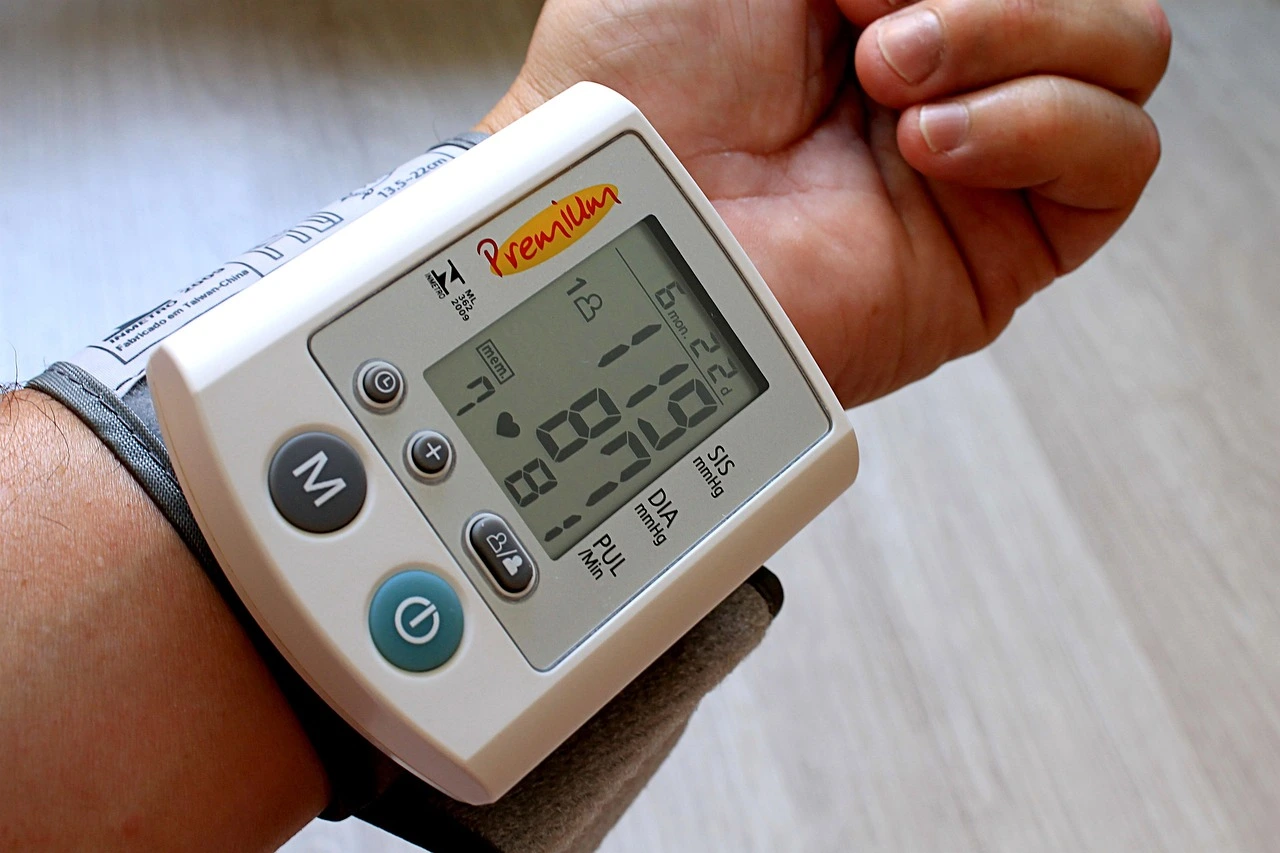
You sit down with your home blood pressure monitor, your arm trembling slightly as you wrap the cuff around it, and somehow the reading shoots up even though you felt fine five minutes ago, leaving you wondering if something’s actually wrong with you or if you’re just sabotaging yourself every time you try to measure blood pressure at home.
Struggles with blood pressure readings at home
Getting reliable readings at home can feel like solving a puzzle where half the pieces are missing. Picture this: you wake up, grab your monitor, and immediately take a reading because you’re curious. Your heart’s still racing from your morning coffee, you’re sitting on the edge of your bed with your arm dangling, and boom, the number comes back elevated. Was it accurate? Probably not. The stress of wondering if you’re doing it right often makes things worse. Many young adults face this exact frustration. Incorrect arm positioning, measuring right after exercise or caffeine, or choosing a noisy, chaotic spot in your home can all throw off results. Even the monitor itself might be faulty or need recalibration. The pressure to get accurate results can ironically add to the anxiety you’re trying to manage, creating a frustrating cycle where your worry becomes part of the problem.
- Position your arm at heart level for correct readings.
- Avoid caffeine or exercise before measuring to prevent false high readings.
- Choose a comfortable, quiet spot at home to relax before taking your blood pressure.
Benefits of monitoring blood pressure at home
Taking charge of your health with regular home monitoring transforms how you relate to your body. Instead of only seeing your doctor once a year and getting a single snapshot of your health, you’re building a complete picture over time. Early detection becomes possible because you catch patterns before they become serious. Imagine noticing that your readings spike on stressful work days or dip when you’ve been exercising regularly. That awareness is powerful. You start understanding your body’s signals instead of just guessing. When you walk into your doctor’s appointment with weeks of data, the conversation shifts from generic advice to personalized insights. Your healthcare provider can see trends, adjust recommendations, and take your concerns seriously because you’ve done the homework. This partnership between you and your doctor becomes stronger, more informed, and ultimately more effective at keeping you healthy.
💬 Ready to feel better in 2 minutes?choose where to begin:
Impact of lifestyle on blood pressure readings
Your blood pressure doesn’t exist in a vacuum. It’s deeply connected to everything you do. Sleep matters more than most young adults realize. A night of poor sleep can push your readings up noticeably. Diet plays a huge role too, especially sodium intake. That takeout pizza or processed snack you grabbed in a rush could show up in your readings the next day. Exercise is a game-changer. Regular physical activity doesn’t just lower your blood pressure, it makes you feel more in control of your health overall. Stress is perhaps the most immediate factor. A heated argument, a work deadline, or even scrolling through stressful news can spike your readings within minutes. The beautiful part is recognizing these connections means you have real power. You can’t control everything, but adjusting sleep, reducing sodium, moving your body more, and managing stress are all within your reach. This holistic approach to health management isn’t just about numbers on a screen, it’s about building a lifestyle that supports your wellbeing.
Embracing the experience of home blood pressure monitoring
Checking your blood pressure at home doesn’t have to feel like a clinical task or a source of anxiety. Reframe it as a ritual of self-care and self-awareness. Find a quiet corner, maybe light a candle or make tea, and spend five minutes just being still before you measure. This moment becomes yours, a chance to pause and tune into your body. Over time, the routine becomes something you look forward to rather than dread. You’re not just collecting data, you’re building a relationship with your health. Young adults who approach home monitoring this way often report feeling more empowered and less stressed about their wellbeing. The act of measuring becomes a form of mindfulness, a gentle reminder that you’re taking yourself seriously. When you embrace the process instead of resisting it, the experience shifts from obligation to self-love.
Home blood pressure monitoring presents challenges like stress and positioning but offers benefits such as early detection and improved health awareness. Lifestyle factors play a key role in blood pressure readings, emphasizing the need for a holistic approach to health management.
Can anxiety impact blood pressure readings at home?
Yes, anxiety can lead to higher blood pressure readings due to increased stress. It is essential to stay calm and relaxed before measuring to get accurate results.
How often should young adults measure their blood pressure at home?
Young adults with no known issues can monitor their blood pressure monthly. For those with risk factors or health conditions, more frequent monitoring may be necessary.
Others also read:
Disclaimer: This article is for informational purposes only and is not a substitute for professional medical advice. Always consult a healthcare professional for personal guidance.
This article presents an experience-based perspective and has been reviewed by the GlobalHealthBeacon editorial team in 2026. It provides structured, evidence-based information to support informed health decisions.
