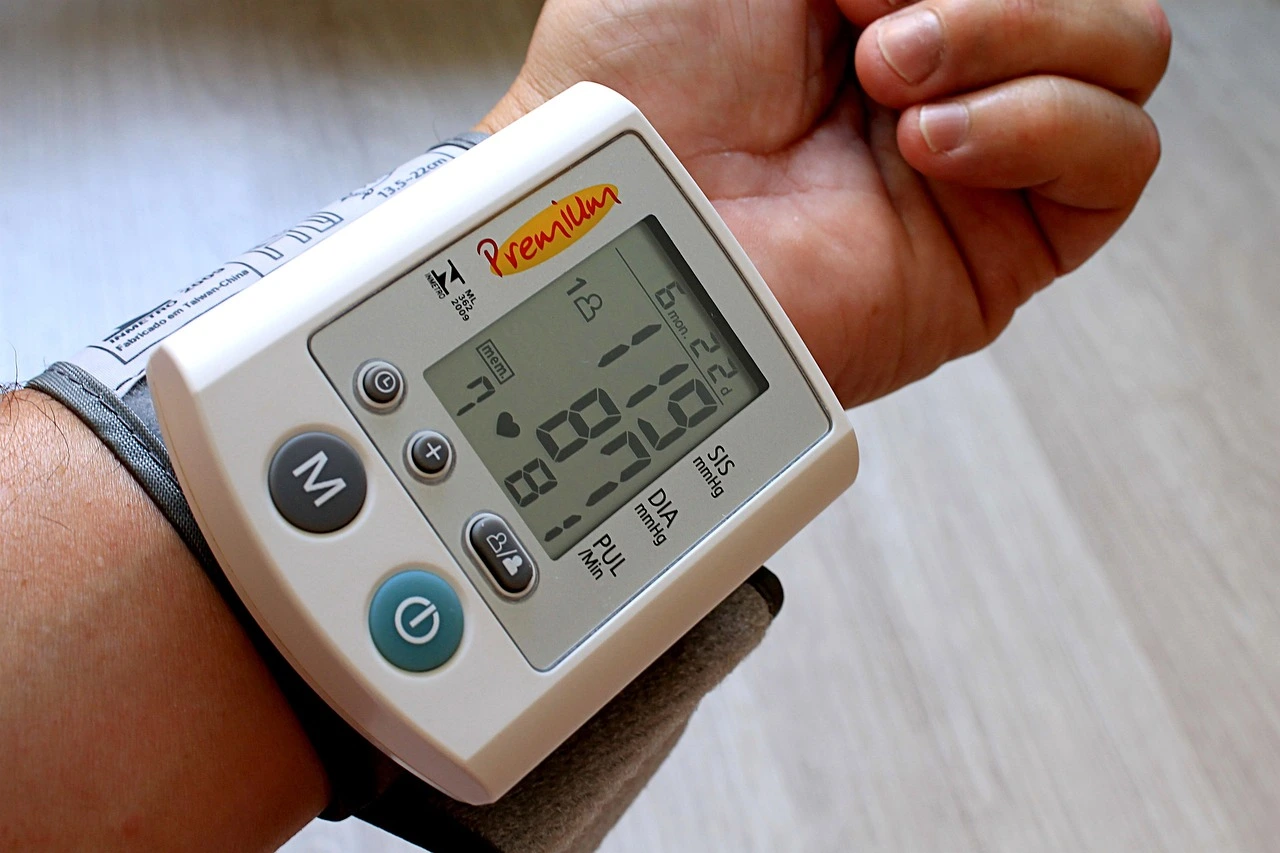
Struggling to get reliable blood pressure readings at home because your monitor feels confusing or uncomfortable? You’re not alone, and the right device can change everything.
Choosing the right blood pressure monitor
Finding the right blood pressure monitor as a senior means balancing several practical concerns at once. Start by thinking about your daily routine. Do you have arthritis or limited hand strength? Then automatic monitors that inflate themselves are far easier than manual ones. Picture this: Margaret, 72, switched from a manual cuff to an automatic arm monitor and suddenly her readings became consistent because she wasn’t struggling with the inflation bulb anymore. When you measure blood pressure at home, accuracy depends heavily on proper cuff fit. Your arm circumference matters more than most people realize. A cuff that’s too loose gives readings that are artificially high, while one that’s too tight does the opposite. Most quality monitors come with two cuff sizes or adjustable options. Take time to measure your arm at the widest point and match it to the manufacturer’s sizing chart. Also consider where you’ll store the device. Will it sit on a nightstand, in a bathroom cabinet, or travel with you? Compact, lightweight models work better for active seniors who move between locations.
- Check if the cuff size fits your arm correctly for accurate readings.
- Consider whether you prefer a manual or automatic blood pressure monitor based on your needs.
- Ensure the monitor is user-friendly with clear instructions and buttons for easy navigation.
Top features to look for
Modern blood pressure monitors offer far more than just basic readings, and understanding these features helps you choose wisely. Irregular heartbeat detection is genuinely valuable for seniors because it alerts you to arrhythmias that might need medical attention. Some monitors flag this automatically, which removes the burden of self-diagnosis. Multiple user memory is another practical feature that matters if you share a household or want to track trends over weeks and months. Imagine having 60 readings stored automatically so you can show your doctor exactly what happened during the past month rather than relying on memory. Adjustable cuff sizes prevent you from buying multiple monitors as your body changes. Temperature compensation is less known but important in homes where you might measure readings in different rooms or seasons. Some seniors also benefit from Bluetooth connectivity that syncs readings to a smartphone app, though this requires comfort with technology. The best feature, though, is one you’ll actually use consistently. A monitor with a large display and simple one-button operation beats a fancy device with confusing menus that sits unused in a drawer.
📘 Fix your day in under 2 minuteschoose where to begin:
Accuracy matters most
When it comes to managing your health, accuracy in blood pressure readings is non-negotiable because your doctor makes treatment decisions based on these numbers. Clinical validation is the gold standard. Look for monitors that carry certification from organizations like the American Medical Association or have been validated in peer-reviewed studies. Don’t assume that expensive means accurate. Some mid-range monitors outperform premium models in independent testing. Consider James, 68, who invested in a high-end device but noticed his readings were always 10 points higher than at his doctor’s office. He switched to a clinically validated arm monitor that cost half as much, and suddenly his home readings matched his clinic readings perfectly. Consistency matters as much as absolute accuracy. If your monitor is off by a few points but consistently off in the same direction, your doctor can still track meaningful changes in your blood pressure over time. However, wild fluctuations between readings suggest either user error or a faulty device. Take readings at the same time each day, in the same position, after resting for five minutes. This routine creates a reliable baseline that you and your healthcare provider can trust.
Comfort and convenience
Comfort directly affects whether you’ll stick with regular monitoring, which is why this factor deserves serious attention. A soft, flexible cuff makes a real difference, especially if you have sensitive skin or plan to measure multiple times daily. Hard plastic cuffs can leave marks and feel uncomfortable during extended wear. Think about the physical experience. Can you operate the buttons with arthritic fingers? Are the numbers large enough to read without glasses? Does the device make loud beeping sounds that startle you? These details seem small until they’re the reason you skip a measurement. Convenience includes portability too. If you travel or spend time at different homes, a lightweight monitor with a carrying case becomes invaluable. Battery life matters more than you might think. Nothing is more frustrating than needing to measure your blood pressure and discovering the batteries are dead. Look for monitors that use standard AA or AAA batteries rather than proprietary ones. Storage options should fit your lifestyle. Wall-mounted holders keep devices accessible on a nightstand, while compact cases work for travel. Some seniors prefer monitors that come with a carrying pouch and all accessories included so nothing gets lost or forgotten.
Regular monitoring routine
Establishing a consistent monitoring routine transforms random measurements into meaningful health data that reveals real patterns. Start by talking with your doctor about frequency. Some seniors need daily readings, others benefit from three times weekly, and some only need monthly checks. Write down the recommended schedule and set phone reminders if needed. The best time to measure is typically in the morning before medication, before breakfast, and after sitting quietly for five minutes. Evening readings also provide useful information. Create a simple log, either on paper or using an app, that records the date, time, systolic and diastolic readings, and any notes about how you felt that day. Over weeks and months, patterns emerge. You might notice that stress spikes your readings or that certain activities lower them. Share this data with your healthcare provider at appointments. Bring your monitor to your doctor’s office occasionally to verify it matches their equipment. Some seniors find it helpful to measure at the same location each time, whether that’s sitting in a favorite chair or at the kitchen table. This consistency reduces variables and makes readings more reliable. If you notice sudden changes or readings significantly higher or lower than your baseline, contact your doctor rather than waiting for your next appointment.
Selecting the right blood pressure monitor is essential for seniors. Consider factors like accuracy, comfort, and ease of use when choosing a device. Establish a monitoring routine and consult your healthcare provider for personalized advice.
How often should seniors measure their blood pressure at home?
Seniors should aim to measure their blood pressure at home as advised by their healthcare provider. Typically, monitoring 2-3 times a week or as recommended is a good practice.
Are wrist blood pressure monitors suitable for seniors?
Wrist blood pressure monitors may not be as accurate as arm monitors and can be affected by positioning. Seniors are generally advised to use upper arm monitors for more reliable readings.
Others also read:
Disclaimer: This article is for informational purposes only and is not a substitute for professional medical advice. Always consult a healthcare professional for personal guidance.
This guide has been prepared and reviewed by the GlobalHealthBeacon editorial team and reflects current medical research as of 2026. It provides structured, evidence-based information to support informed health decisions.
