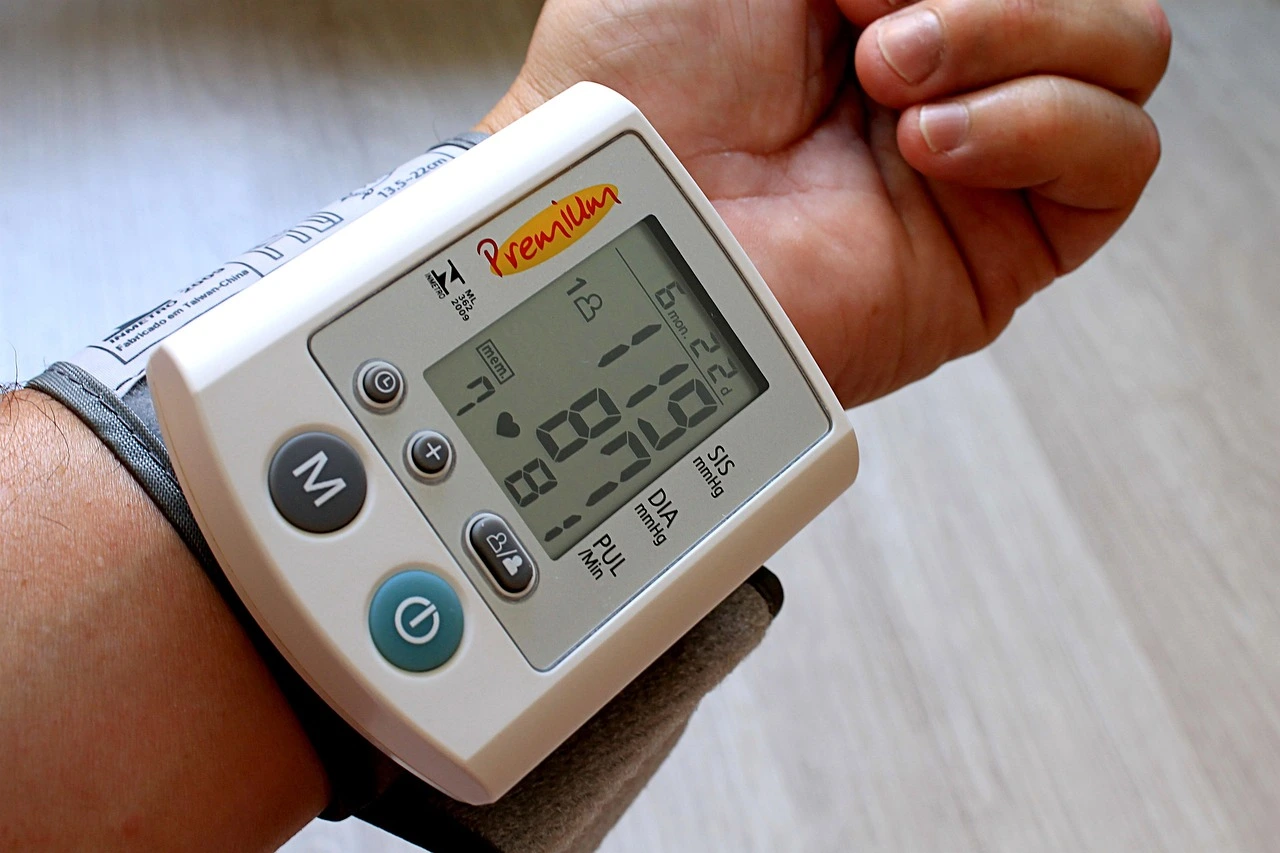
You’re tired of white coat syndrome skewing your numbers at the doctor’s office, so you need to measure blood pressure at home where you’re actually relaxed and can get readings that actually mean something.
The science behind home blood pressure monitoring
Home blood pressure monitoring works by capturing readings in your natural environment, away from the clinical setting that can artificially elevate numbers. Your cardiovascular system responds differently when you’re sitting in your own living room versus a doctor’s office. The biological process involves measuring the force your heart exerts against artery walls as it pumps blood throughout your body. When you monitor at home, you’re collecting data across different times of day, different stress levels, and different activities. This gives your healthcare provider a much clearer picture of your actual blood pressure patterns. For instance, someone might have elevated readings only in the morning due to natural circadian rhythms, or spikes might occur only after caffeine or physical activity. Without home monitoring, these patterns would remain invisible, and treatment decisions might be based on incomplete information.
Benefits of home blood pressure monitoring
Regular home monitoring serves as an early warning system for cardiovascular changes. You become the first line of defense in catching abnormal trends before they develop into serious complications. This practice empowers you to understand how your body responds to different situations, medications, and lifestyle choices. Many older adults find that tracking their own readings increases their sense of control and engagement with their health. You might notice, for example, that your blood pressure drops after a walk or rises after a stressful phone call. This self-awareness often motivates positive behavioral changes naturally. Additionally, the data you collect becomes invaluable during doctor visits. Instead of relying on a single office reading, your healthcare provider can review weeks or months of home readings to make more accurate diagnoses and treatment adjustments. This collaborative approach often leads to better medication management and fewer unnecessary prescriptions.
Steps for effective home blood pressure monitoring
Effective monitoring begins with selecting the right equipment. An automatic upper arm monitor is generally more reliable than wrist or finger monitors, though quality varies by brand. Before purchasing, research validated models and read reviews from other users. Once you have your monitor, spend time understanding its features by carefully reviewing the instruction manual. Many people skip this step and wonder why their readings seem inconsistent. Next, establish a routine. Take your reading at the same time each day, ideally in the morning before medications or breakfast, when your body is in a consistent state. Sit quietly for five minutes before measuring, with your feet flat on the floor and your arm at heart level. Record each reading along with the date, time, and any relevant notes like whether you felt stressed or had just exercised. Keep a simple log in a notebook or use a smartphone app. After two weeks of daily readings, you’ll start seeing patterns emerge that reveal your true baseline.
- Choose a validated automatic upper arm blood pressure monitor
- Read and understand the manufacturer’s instructions thoroughly
- Measure at the same time each day in a calm, seated position
- Record readings consistently with date, time, and relevant notes
- Review patterns after two weeks to establish your baseline
🔬 Science-backed benefits in 2 minuteschoose where to begin:
Importance of consistency and accuracy
Consistency transforms raw data into meaningful information. When you measure at the same time daily under similar conditions, your readings become comparable and reveal genuine trends rather than random fluctuations. Accuracy depends on proper technique and equipment maintenance. An improperly fitted cuff, for example, can produce readings that are off by 10 to 15 points. Your arm circumference matters too. If the cuff is too small, readings will be artificially high. If too large, they’ll be artificially low. Healthcare providers rely on this consistent, accurate data to make critical decisions about treatment. They might adjust medications, recommend lifestyle modifications, or investigate underlying causes of persistent elevation. Without reliable data, these decisions become guesswork. Consider the case of Margaret, a 72-year-old who tracked her readings for three months. The data revealed that her blood pressure was well-controlled except for morning spikes. Her doctor adjusted her medication timing, and her overall control improved significantly. This wouldn’t have been possible without her consistent home monitoring.
Seeking medical advice when necessary
Home monitoring is a tool for awareness, not a replacement for professional medical guidance. Certain readings warrant immediate attention. If you consistently see systolic readings above 180 or diastolic above 120, contact your healthcare provider promptly. A single elevated reading isn’t cause for alarm, but a pattern of high readings over several days suggests your treatment plan needs adjustment. Similarly, if you notice sudden drops in blood pressure accompanied by dizziness or fainting, report this to your doctor. These changes might indicate medication side effects or other health issues. Your healthcare provider can interpret your data in context of your complete medical history, other medications, and overall health status. They might recommend lifestyle adjustments like reducing sodium intake, increasing physical activity, or managing stress more effectively. Sometimes medication adjustments are necessary. The key is maintaining open communication with your healthcare team and sharing your home monitoring data during visits.
Leveraging technology for streamlined monitoring
Modern blood pressure monitors now connect to smartphone apps that automatically track and visualize your readings over time. These apps create graphs showing trends, calculate averages, and can even send alerts if readings fall outside your target range. Some monitors sync directly with your healthcare provider’s patient portal, allowing your doctor to review your data between appointments. This real-time sharing can lead to faster treatment adjustments when needed. Wearable devices and smartwatches increasingly include blood pressure monitoring capabilities, though accuracy varies. The advantage of these devices is convenience and automatic logging without manual entry. However, traditional automatic monitors remain the gold standard for accuracy. Many people use a combination approach: a reliable home monitor for daily readings and a wearable device for convenience and motivation. The technology landscape continues evolving, with artificial intelligence now helping identify patterns that might not be obvious to the human eye. Regardless of which technology you choose, the fundamental principle remains the same: consistent measurement and honest tracking of your cardiovascular health.
Home monitoring of blood pressure empowers older adults to take an active role in managing their cardiovascular health. By measuring regularly in your own environment, you gather accurate data that reveals your true blood pressure patterns. Consistency in timing and technique ensures your readings are reliable and comparable over time. This information becomes invaluable for your healthcare provider when making treatment decisions. Technology has made tracking easier than ever, but the core practice remains simple: measure regularly, record accurately, and share your data with your doctor. Combined with professional medical guidance, home monitoring becomes a powerful tool for better health outcomes.
How often should I measure my blood pressure at home?
Daily measurement at the same time each morning, before medications or breakfast, provides the most reliable trend data. Some people benefit from evening readings as well. If your doctor recommends more frequent monitoring during medication adjustments, follow their guidance. Once your blood pressure is stable, you might reduce frequency to several times per week, but consistency matters more than frequency.
Are home blood pressure monitors accurate?
Quality home blood pressure monitors are accurate when used correctly and maintained properly. The key is selecting a validated model and following the manufacturer’s instructions precisely. Have your monitor checked against a clinical reading at your doctor’s office periodically. Proper cuff fit, arm position, and a calm state before measuring all contribute to accuracy. Budget models may be less reliable than premium options, so research before purchasing.
Others also read:
Disclaimer: This article is for informational purposes only and is not a substitute for professional medical advice. Always consult a healthcare professional for personal guidance.
This article has been prepared and reviewed by the GlobalHealthBeacon editorial team and is based on current medical research and published scientific literature available in 2026. It provides structured, evidence-based information to support informed health decisions.
