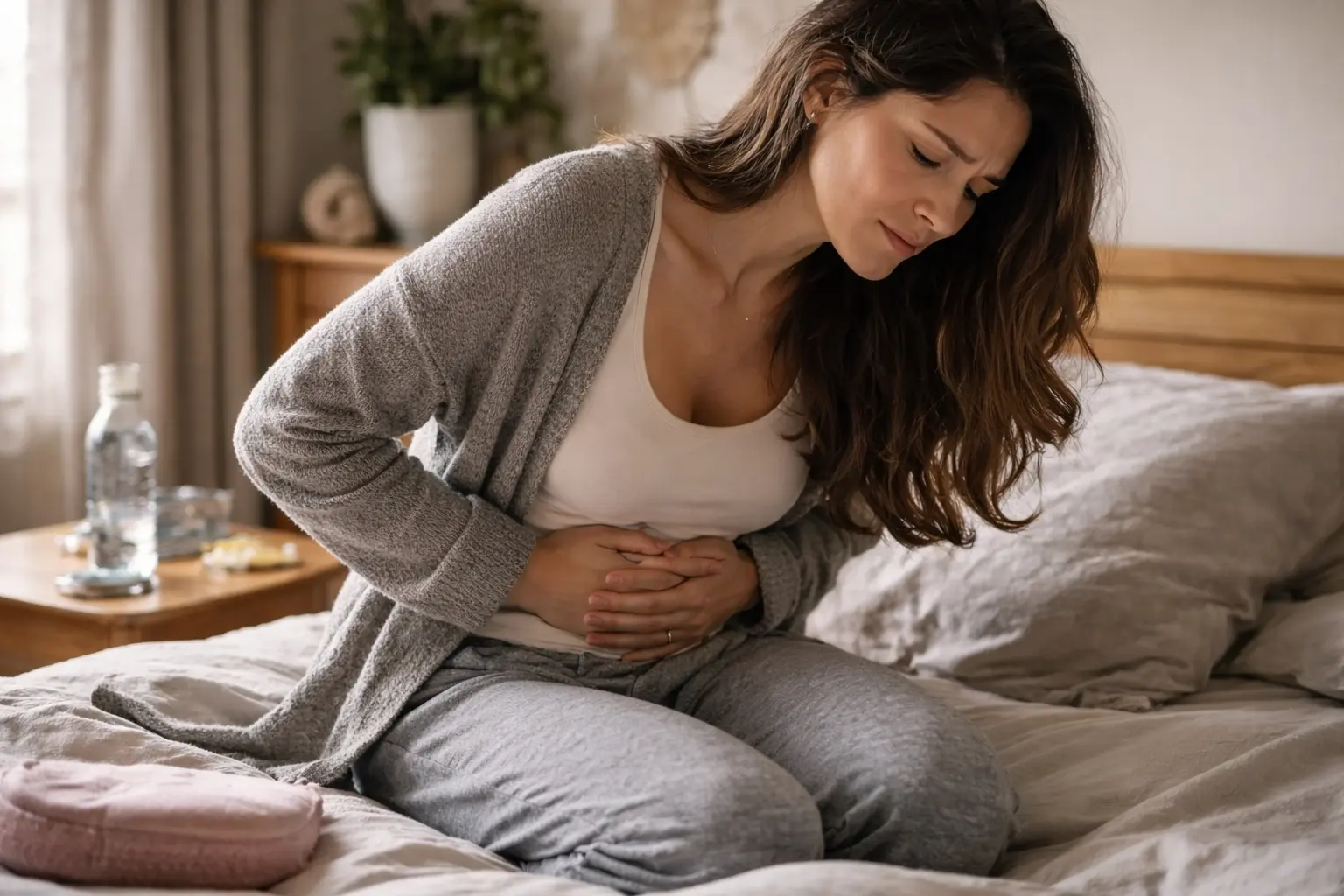
If you’re experiencing debilitating period pain that keeps you from work or school, heavy bleeding that soaks through products within hours, or sharp pelvic pain that doesn’t match what anyone else seems to describe, endometriosis symptoms might be what you’re dealing with, and you’re not alone in this.
Understanding endometriosis symptoms
Endometriosis symptoms often feel like your body is working against you, and the frustrating part is that what you experience might look completely different from what your friend or sister goes through. Some young adults report severe menstrual cramps that feel like intense muscle contractions, while others describe a constant dull ache in the lower abdomen that worsens during their cycle. Heavy periods are common, meaning you might find yourself changing products every hour or two, which can be embarrassing and exhausting during school or work. Beyond the obvious period-related pain, many people experience pelvic pain that shows up randomly throughout the month, not just during menstruation. Pain during intercourse, sometimes called dyspareunia, can create emotional stress alongside physical discomfort. Some individuals also struggle with fertility concerns, discovering endometriosis only when trying to conceive. The key is tracking when symptoms appear, how intense they feel, and what triggers them, then bringing this information to your healthcare provider for proper evaluation.
- Severe menstrual cramps
- Heavy periods
- Pelvic pain
- Pain during intercourse
- Fertility issues
Diagnosing endometriosis
Getting a diagnosis for endometriosis isn’t straightforward, which is why many young adults feel frustrated before finally getting answers. Your healthcare provider will start by asking detailed questions about your medical history, including when symptoms began, how they’ve changed over time, and how much they affect your daily life. A pelvic exam comes next, where your doctor checks for any obvious abnormalities or tender areas. Imaging tests like ultrasound or MRI can reveal cysts or lesions that suggest endometriosis, though these tests sometimes come back normal even when the condition is present. In some cases, your provider might recommend laparoscopic surgery, a minimally invasive procedure where a thin camera is inserted through a small incision to directly visualize the tissue. This is the only way to definitively confirm endometriosis, though it’s typically reserved for cases where diagnosis is unclear or surgery is being considered for treatment. Early diagnosis matters because it helps you understand what’s happening in your body and allows you to start managing symptoms sooner, which can make a real difference in preserving fertility and improving quality of life.
📘 Fix your day in under 2 minuteschoose where to begin:
Treatment options for endometriosis
Your treatment path depends entirely on your symptoms’ severity, your fertility goals, and how much the condition affects your daily functioning. Pain medication is often the first step, ranging from over-the-counter ibuprofen or naproxen to prescription pain relievers for more intense discomfort. Hormonal therapy, including birth control pills, patches, or hormonal IUDs, works by reducing or stopping menstruation, which can significantly decrease pain for many people. Some individuals find that continuous use of birth control, skipping the placebo week, helps even more. For those seeking non-surgical options, lifestyle modifications like regular exercise, dietary changes that reduce inflammation, and stress management techniques can provide meaningful relief. Surgery becomes an option when other treatments haven’t worked or when endometriosis is severely affecting fertility. Excision surgery, where affected tissue is carefully removed, differs from ablation surgery, which burns tissue away. Your healthcare provider can help you weigh the pros and cons of each approach based on your specific situation and goals.
Managing endometriosis symptoms
Living with endometriosis means building a personalized toolkit of strategies that work for your body and lifestyle. Dietary changes can make a real difference, particularly reducing inflammatory foods like red meat and processed items while increasing omega-3 rich foods, leafy greens, and whole grains. Regular exercise, even gentle movement like walking or swimming, helps reduce pain and improves mood by releasing endorphins. Yoga and stretching specifically targeting the pelvic area can ease tension and cramping. Heat therapy, whether through heating pads or warm baths, provides immediate relief during flare-ups. Some young adults find acupuncture helpful for pain management and cycle regulation. Stress management matters because stress can intensify pain perception and worsen symptoms, so meditation, journaling, or talking with friends can be genuinely beneficial. Tracking your symptoms in a calendar or app helps you identify patterns and plan around difficult days. The goal isn’t to eliminate all symptoms overnight but to gradually build a routine that reduces their impact on your work, school, relationships, and overall wellbeing.
Seeking support for endometriosis
Dealing with endometriosis can feel isolating, especially when you’re managing pain that others don’t fully understand or when fertility concerns weigh on your mind. Connecting with others who have endometriosis through support groups, whether in-person or online communities, normalizes your experience and provides practical advice from people living the same reality. Online forums and social media groups dedicated to endometriosis offer spaces to ask questions without judgment, share coping strategies, and vent about the emotional toll. Many young adults find that talking with a counselor or therapist helps address the anxiety, depression, or grief that sometimes accompanies chronic pain and fertility challenges. Your healthcare team should also be part of your support system, so finding providers who listen, take your concerns seriously, and involve you in treatment decisions is crucial. Don’t underestimate the value of telling trusted friends or family members what you’re going through so they can offer understanding and practical help during difficult periods.
Recognizing potential signs of endometriosis, seeking early diagnosis, exploring treatment options, practicing self-care, and seeking support are key steps in managing this condition effectively.
Are all women with pelvic pain likely to have endometriosis?
Not all women with pelvic pain have endometriosis. Pelvic pain can have various causes, so it’s important to consult a healthcare provider for a proper diagnosis.
Can endometriosis affect fertility?
Endometriosis can impact fertility, but not all women with the condition will experience infertility. It’s essential to discuss fertility concerns with a healthcare provider for personalized guidance.
Others also read:
Disclaimer: This article is for informational purposes only and is not a substitute for professional medical advice. Always consult a healthcare professional for personal guidance.
This guide has been prepared and reviewed by the GlobalHealthBeacon editorial team and reflects current medical research as of 2026. It provides structured, evidence-based information to support informed health decisions.
