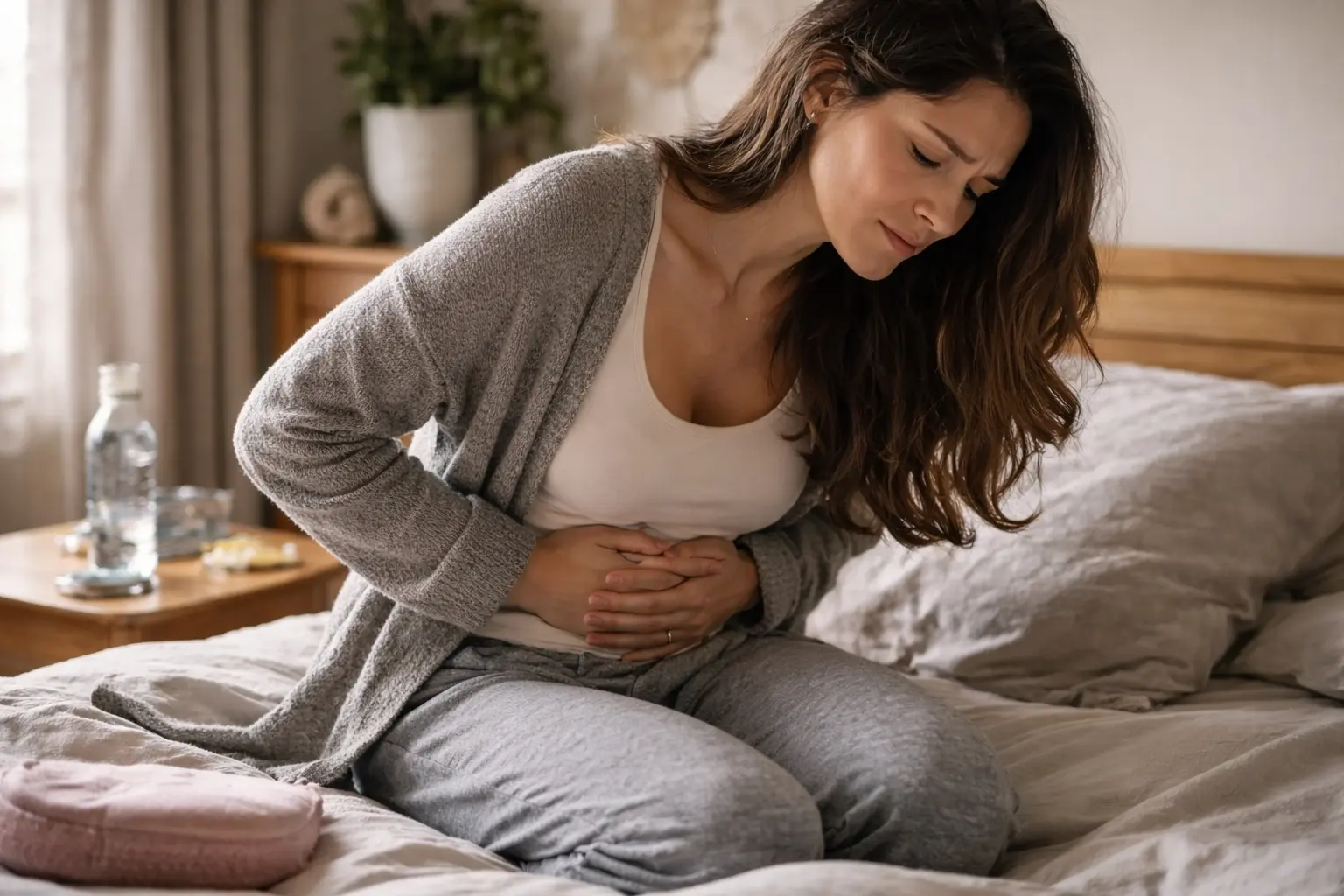
Your period shouldn’t feel like a war zone, and pelvic pain that leaves you curled up in bed isn’t something you just live with, yet millions of women do exactly that because they don’t realize endometriosis symptoms are the real culprit behind their suffering.
Pelvic pain
Pelvic pain is often the first red flag that something isn’t right. For many women, this pain arrives like clockwork during their period, but it doesn’t always stop there. Imagine waking up on day two of your cycle with a dull, persistent ache that radiates from your lower abdomen into your lower back, making it hard to sit at your desk or focus on anything else. Some women describe it as sharp, stabbing sensations that come and go throughout the day. The pain can be so severe that over-the-counter pain relievers barely touch it. What makes pelvic pain from endometriosis particularly frustrating is that it’s not always predictable. You might have a mild month followed by an unbearable one. Pain during or after intercourse is another common experience that affects relationships and intimacy. The key is tracking when the pain occurs, how intense it feels, and what makes it better or worse. This information becomes invaluable when you meet with your healthcare provider.
- Dull or sharp pelvic pain
- Painful periods
- Pain during or after intercourse
Menstrual irregularities
Your period should follow a somewhat predictable pattern, but endometriosis often disrupts that rhythm entirely. Heavy bleeding is one of the most noticeable changes, where you might find yourself changing tampons or pads every hour or passing large clots. Some women describe their periods as flooding, soaking through protection within minutes. Beyond heavy flow, you might notice spotting or light bleeding between periods, which can be confusing and concerning. Your cycle length might shift too, becoming shorter or stretching longer than your usual pattern. One month you might have a 21-day cycle, the next month 35 days. This unpredictability makes planning difficult and can leave you feeling out of control of your own body. The combination of heavy bleeding and irregular timing often leads to anemia, which contributes to the fatigue many endometriosis sufferers experience. Keeping a detailed menstrual calendar for at least three months helps establish patterns and gives your doctor concrete information to work with.
📘 Fix your day in under 2 minuteschoose where to begin:
GI distress
Digestive issues with endometriosis can be so pronounced that women often get misdiagnosed with irritable bowel syndrome first. Bloating is incredibly common, where your abdomen swells noticeably during your period, making your regular jeans uncomfortable. You might experience constipation one day and diarrhea the next, creating a frustrating cycle that affects your daily routine and confidence. Nausea can strike unexpectedly, sometimes making it hard to eat or enjoy meals. Abdominal cramping that feels separate from period cramps adds another layer of discomfort. What makes this particularly challenging is that these symptoms often worsen during your menstrual cycle, following the same inflammatory patterns as your pelvic pain. Many women find themselves avoiding social events or work commitments during their period not just because of pain, but because they cannot predict how their digestive system will behave. Keeping a symptom diary alongside your menstrual calendar helps reveal whether your GI issues are truly cyclical, which is an important clue for your healthcare provider.
Fatigue and exhaustion
Chronic fatigue from endometriosis is different from normal tiredness. You might sleep eight solid hours and still wake up feeling like you never rested at all. This exhaustion stems from your body’s constant inflammatory response to endometrial tissue growing where it shouldn’t be. Imagine dragging yourself through your day, struggling to concentrate at work, canceling plans with friends, or feeling too drained to exercise. Some women describe it as a heaviness that makes even simple tasks feel monumental. The fatigue often worsens during your period when inflammation peaks, but many women experience it throughout the month. This chronic tiredness can affect your mental health too, contributing to mood changes, anxiety, or depression. The combination of pain, irregular bleeding, and exhaustion creates a cycle where your body never gets a chance to fully recover. Addressing fatigue requires a multi-pronged approach including adequate rest, anti-inflammatory strategies, and sometimes iron supplementation if heavy periods have caused anemia. Recognizing that your fatigue is a legitimate symptom, not a personal failing, is an important first step toward managing it effectively.
Fertility challenges
Endometriosis affects fertility in multiple ways, making it one of the leading causes of infertility in women. If you’ve been trying to conceive for months or years without success, endometriosis might be silently interfering. The condition can damage fallopian tubes, create scar tissue that blocks egg movement, or affect egg quality. Some women with endometriosis experience recurrent miscarriages, which adds emotional trauma to their fertility journey. The inflammation caused by endometriosis creates a hostile environment for conception and early pregnancy. Many women don’t discover they have endometriosis until they begin investigating fertility problems, making it a painful revelation. If you’re struggling to get pregnant, especially if you also experience severe period pain or heavy bleeding, discussing endometriosis screening with your healthcare provider becomes essential. Treatment options range from medication to surgery to lifestyle modifications, and early intervention can improve your chances of conception. Understanding that fertility challenges related to endometriosis are medical issues, not reflections of your worth as a woman, helps you approach treatment with clarity and hope.
Endometriosis symptoms like pelvic pain, irregular menstruation, GI distress, fatigue, and fertility issues can significantly impact a woman’s quality of life. Recognizing these signs early and seeking medical advice is crucial for effective management.
Can endometriosis be cured completely?
Although there is no definitive cure for endometriosis, various treatment options such as medication, surgery, or lifestyle changes can help manage symptoms and improve quality of life.
Is endometriosis always associated with fertility problems?
While endometriosis can affect fertility, not all women with the condition experience infertility. It’s essential to consult with a healthcare provider for personalized guidance.
Others also read:
Disclaimer: This article is for informational purposes only and is not a substitute for professional medical advice. Always consult a healthcare professional for personal guidance.
This guide has been prepared and reviewed by the GlobalHealthBeacon editorial team and reflects current medical research as of 2026. It provides structured, evidence-based information to support informed health decisions.
