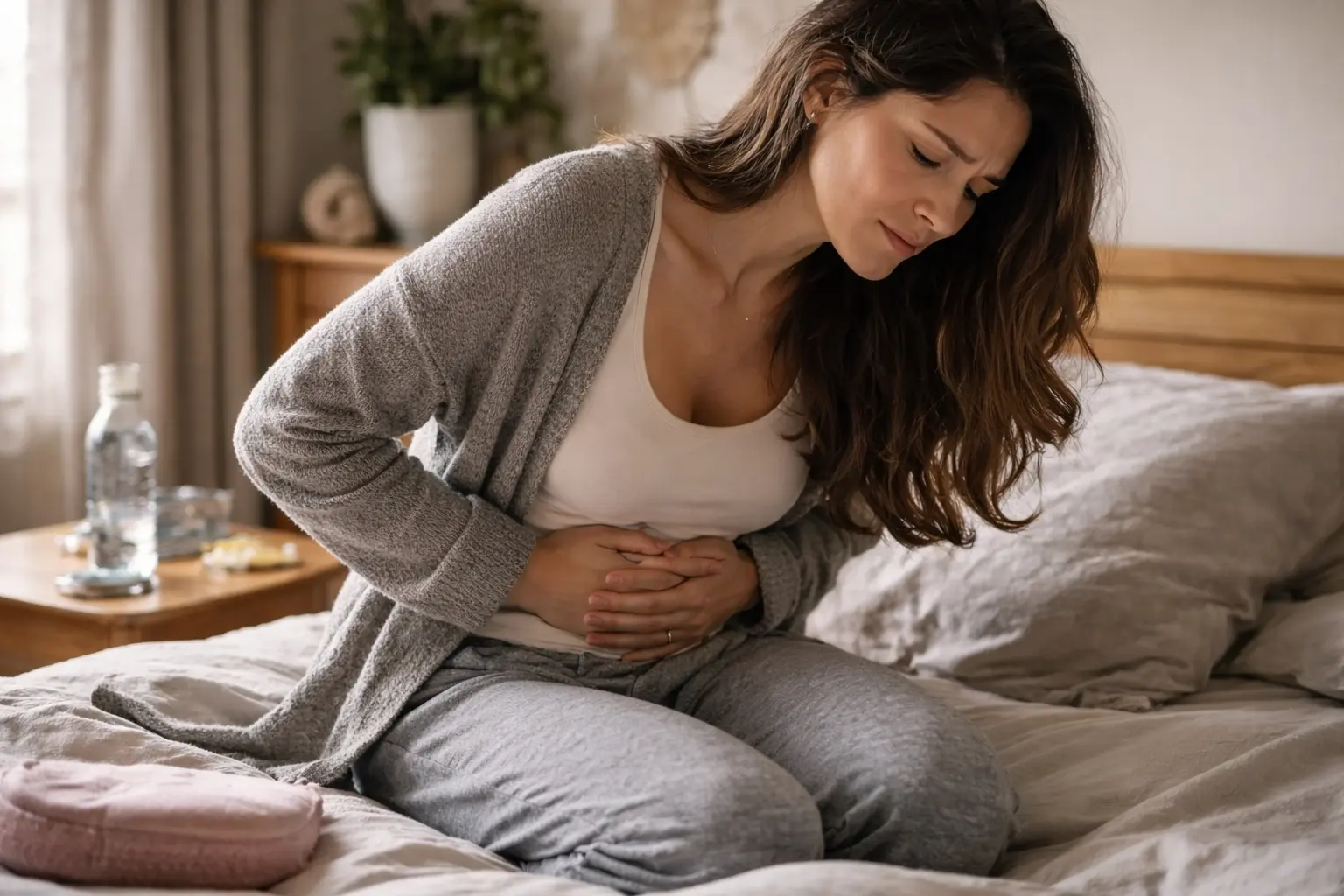
Waking up to relentless pelvic pain, struggling through daily tasks, and feeling like nobody understands what you’re experiencing – endometriosis symptoms in your later years can feel isolating and overwhelming, but you’re far from alone in this.
Pain and discomfort
Chronic pelvic pain stands as the hallmark symptom that older patients with endometriosis report most frequently, and it often feels different from other types of pain they may have experienced earlier in life. This pain typically intensifies during menstrual cycles when hormonal fluctuations trigger inflammation in the endometrial tissue growing outside the uterus. Many older women describe it as a deep, persistent ache that radiates through the lower abdomen, lower back, and sometimes into the legs. Beyond menstruation, pain during sexual intercourse, known as dyspareunia, can significantly affect intimate relationships and emotional well-being. The unpredictability of pain flare-ups makes planning daily activities challenging. Some patients find that certain movements, prolonged sitting, or even stress can trigger or worsen discomfort. Understanding these pain patterns helps in recognizing when symptoms are endometriosis-related rather than attributing them to normal aging.
Gastrointestinal symptoms
Endometriosis frequently manifests through gastrointestinal symptoms that can be confusing and frustrating for older patients, particularly because these symptoms often mimic common digestive disorders. Bloating, sometimes severe enough to make clothing feel uncomfortable, occurs when endometrial lesions irritate the bowel or when inflammation affects digestive function. Constipation and diarrhea may alternate unpredictably, depending on where endometrial tissue has implanted along the digestive tract. Nausea and loss of appetite can accompany these symptoms, leading to nutritional challenges. Many older women spend years consulting gastroenterologists before discovering that their digestive troubles stem from endometriosis rather than irritable bowel syndrome or other GI conditions. This diagnostic delay can result in unnecessary dietary restrictions and treatments that don’t address the root cause. Keeping a symptom diary that tracks both digestive complaints and menstrual cycles can help reveal the connection and guide healthcare providers toward accurate diagnosis.
Impact on fertility
For older patients still hoping to conceive or who are concerned about their reproductive health, endometriosis presents significant challenges rooted in biological changes within the reproductive organs. The condition causes inflammation that can lead to scar tissue formation and adhesions, which are bands of tissue that bind organs together abnormally. These adhesions can distort the shape of the fallopian tubes, preventing eggs from traveling properly, or they can affect ovarian function directly. Additionally, endometrial lesions release substances that create a hostile environment for sperm and embryos. Older women face compounded fertility challenges because age naturally reduces egg quality and quantity, and endometriosis compounds these age-related factors. Some women discover they have endometriosis only when investigating unexplained infertility in their 40s or 50s. Understanding these biological mechanisms helps patients make informed decisions about whether to pursue fertility treatments, adoption, or other family-building options that align with their personal values and circumstances.
- Consult with a gynecologist specialized in endometriosis management.
- Discuss fertility preservation options if planning to conceive.
- Consider alternative treatments like in vitro fertilization (IVF) if natural conception is challenging.
🔬 Science-backed benefits in 2 minuteschoose where to begin:
Urinary symptoms
Urinary symptoms in older patients with endometriosis can be particularly distressing because they often resemble urinary tract infections or bladder dysfunction, leading to misdiagnosis and inappropriate treatment. When endometrial tissue implants on or near the bladder, it triggers inflammation and irritation that manifests as painful urination, a persistent urge to urinate frequently even when the bladder contains little urine, or occasionally blood in the urine. These symptoms can be especially concerning for older women who may already experience age-related changes in bladder function. The frequency of urination can disrupt sleep, social activities, and overall quality of life. Some patients report that urinary symptoms worsen during menstruation when hormonal changes increase inflammation. Because these symptoms can also indicate serious urological conditions, proper medical evaluation is essential to rule out infections, bladder cancer, or other pathology. A gynecologist experienced with endometriosis can differentiate between endometriosis-related urinary symptoms and other urological conditions through imaging and clinical assessment.
Fatigue and weakness
Fatigue associated with endometriosis in older patients extends far beyond normal tiredness and often becomes one of the most debilitating aspects of the condition, yet it remains underrecognized by many healthcare providers. Chronic pain and persistent inflammation drain the body’s energy reserves, forcing the immune system to work continuously at elevated levels. This physiological stress depletes energy stores and can trigger a cycle where fatigue worsens pain perception, which in turn increases fatigue. Older women may struggle to distinguish between fatigue from endometriosis and age-related energy changes, sometimes attributing everything to normal aging. The weakness can make simple tasks like climbing stairs, carrying groceries, or maintaining household routines feel overwhelming. Nutritional deficiencies, common in endometriosis patients due to digestive symptoms and reduced appetite, further compound fatigue. Adequate rest, balanced nutrition rich in iron and B vitamins, gentle movement like walking or stretching, and stress management techniques can help manage fatigue levels and improve overall functioning.
Mental health challenges
Living with endometriosis takes a profound emotional toll on older patients, who may experience anxiety about their symptoms, depression from chronic pain and life limitations, and a sense of isolation when others minimize their experiences. The unpredictability of flare-ups creates anticipatory anxiety, where patients worry constantly about when the next episode will strike and how it will affect their plans. Depression often develops from the accumulated burden of years managing a chronic condition, combined with grief over lost opportunities or changed life circumstances. Older women may feel particularly isolated because endometriosis is often discussed as a younger woman’s disease, leaving them feeling unseen and invalidated. Social withdrawal can occur as patients avoid activities they fear will trigger symptoms, further deepening isolation. The intersection of endometriosis with other age-related health concerns and life transitions can intensify emotional struggles. Seeking support from mental health professionals trained in chronic illness, connecting with endometriosis support groups either in-person or online, and maintaining open communication with trusted friends and family members are vital strategies for protecting emotional well-being.
Endometriosis symptoms in older patients encompass pain, gastrointestinal issues, fertility challenges, urinary problems, fatigue, and mental health struggles. Proper diagnosis and management are vital to enhancing the quality of life for individuals experiencing these symptoms.
How is endometriosis diagnosed in older patients?
Endometriosis diagnosis in older patients often involves a combination of medical history review, physical examination, imaging tests like ultrasounds, and sometimes laparoscopic surgery for definitive diagnosis.
Can endometriosis symptoms be managed effectively in older patients?
With a comprehensive treatment plan that may include pain management, hormonal therapies, surgical interventions, and lifestyle modifications, endometriosis symptoms can be effectively managed in older patients to improve their quality of life.
Others also read:
Disclaimer: This article is for informational purposes only and is not a substitute for professional medical advice. Always consult a healthcare professional for personal guidance.
This article has been prepared and reviewed by the GlobalHealthBeacon editorial team and is based on current medical research and published scientific literature available in 2026. It provides structured, evidence-based information to support informed health decisions.
