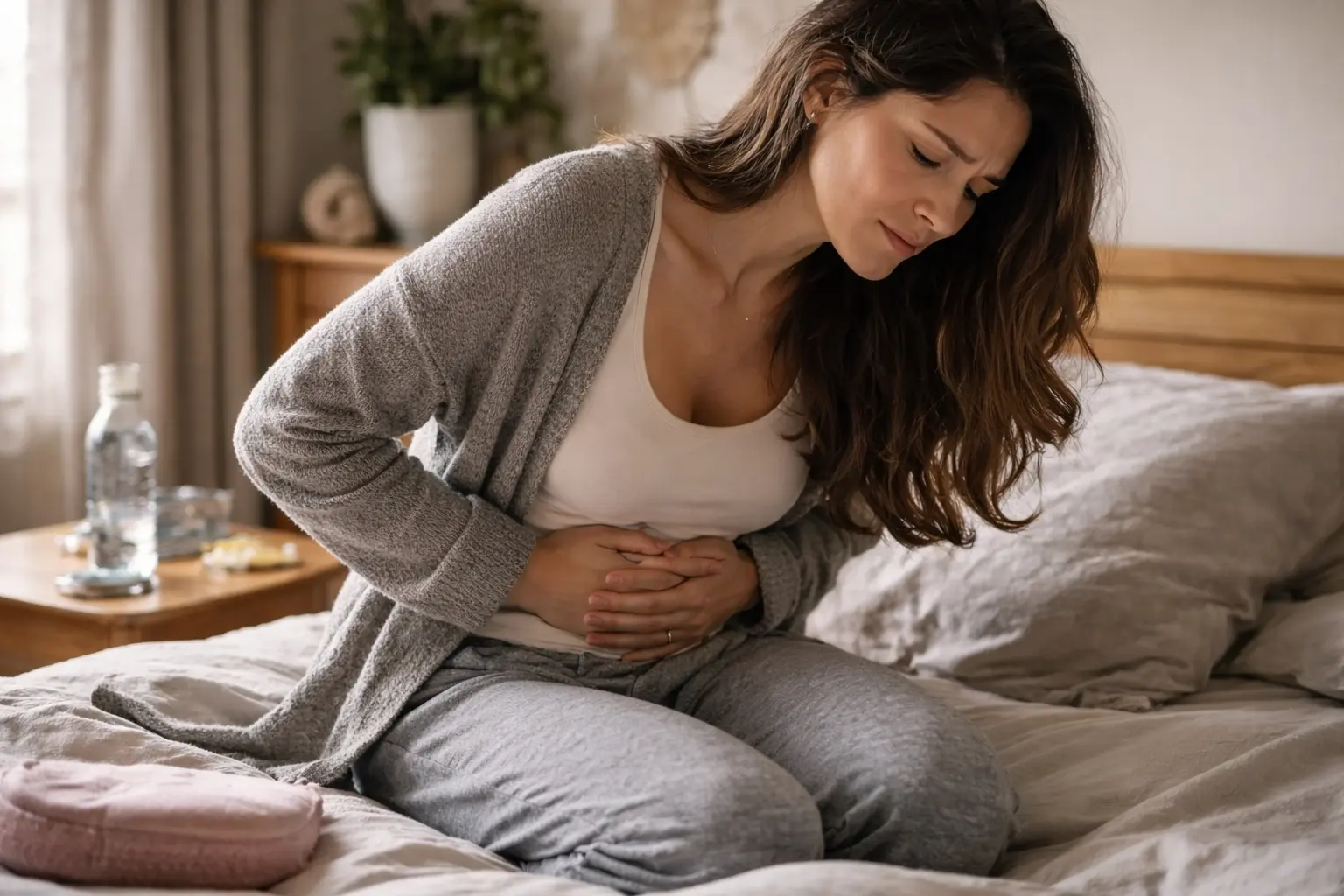
If you’re waking up doubled over in pain that has nothing to do with your period, or bleeding so heavily you’re changing tampons every hour, you’re not overreacting and you’re definitely not alone – endometriosis symptoms are real, they’re widespread, and understanding what’s actually happening in your body is the first step toward taking back control.
Pain levels and locations
Pelvic pain stands as the hallmark symptom of endometriosis, yet the experience varies dramatically from one woman to another. Some describe it as a dull, persistent ache that settles in like an unwelcome houseguest, while others experience sharp, stabbing sensations that catch them mid-breath. The critical misconception many women hold is that this pain only arrives during their menstrual cycle. In reality, endometriosis pain can strike without warning on any day of the month. Consider Sarah, a 34-year-old who initially dismissed her constant lower abdominal discomfort as normal until she realized she was taking ibuprofen daily, not just during her period. The pain doesn’t confine itself to the pelvis either. Women frequently report radiating sensations down the lower back, into the thighs, or even into the legs. Some experience pain during intercourse, while others notice it intensifies with certain movements or prolonged sitting. Understanding these varied presentations helps women recognize that their symptoms are legitimate and warrant professional evaluation rather than dismissal as typical menstrual discomfort.
Menstrual irregularities
Menstrual changes often serve as an early warning signal that something beyond typical period fluctuations is occurring. Women with endometriosis frequently experience heavier than normal bleeding, sometimes soaking through multiple pads or tampons within an hour. Between-period spotting or breakthrough bleeding is another common pattern that catches many women off guard. These irregularities aren’t random or insignificant; they reflect the underlying tissue growth and inflammation affecting the uterine lining. Emma, a 29-year-old teacher, noticed her periods had become increasingly unpredictable, with some cycles lasting ten days instead of her usual five. She initially attributed this to stress until blood work and imaging revealed endometrial tissue growing outside her uterus. The key distinction here is that while many conditions cause menstrual changes, the specific pattern of heavy bleeding combined with pain and other symptoms creates a distinctive profile. Tracking these changes through a symptom diary helps women and their healthcare providers identify patterns that might otherwise seem random. Recognizing menstrual irregularities as potential indicators rather than accepting them as normal variation empowers women to seek timely medical evaluation.
Influence on fertility
The relationship between endometriosis and fertility represents one of the most emotionally charged aspects of this condition. Endometrial tissue growing outside the uterus can create scar tissue and adhesions that physically distort the reproductive anatomy. These adhesions may partially or completely block fallopian tubes, preventing sperm from reaching the egg. Ovarian endometriomas, sometimes called chocolate cysts, can reduce the number of viable eggs available for fertilization. Beyond structural changes, the inflammatory environment created by endometriosis can affect egg quality and sperm function. A woman named Jennifer spent three years trying to conceive before discovering that endometriosis had created extensive adhesions around both her ovaries. Yet the critical fact to understand is that endometriosis does not automatically mean infertility. Many women with this condition conceive naturally, while others benefit from assisted reproductive technologies or surgical intervention to remove adhesions. The pathway forward requires personalized assessment and discussion with specialists who understand both the condition and individual fertility goals. Treatment decisions should balance symptom management with reproductive intentions.
- Consult with a healthcare provider specializing in endometriosis to understand your specific situation and how it may affect fertility.
- Consider fertility preservation options such as egg freezing if you are concerned about future conception and wish to protect your reproductive potential.
- Explore different treatment options including surgical removal of endometrial lesions, hormonal therapies, or assisted reproductive technologies based on your circumstances and goals.
🔬 Science-backed benefits in 2 minuteschoose where to begin:
Gastrointestinal symptoms
The digestive system often becomes an unexpected casualty of endometriosis, yet many women spend years attributing these symptoms to irritable bowel syndrome or food sensitivities. Bloating can become so severe that women report their abdomen swelling noticeably throughout the day, making their regular clothing uncomfortable by afternoon. Diarrhea and constipation may alternate unpredictably, sometimes within the same cycle. Nausea, particularly around menstruation, can make eating feel like a chore rather than a pleasure. When endometrial tissue grows on or near the bowel, it triggers inflammation that mimics digestive disorders perfectly. Rachel, a 31-year-old, spent two years following a strict elimination diet and seeing gastroenterologists before discovering that her bloating and cramping stemmed from endometriosis affecting her sigmoid colon. The challenge lies in distinguishing between primary gastrointestinal conditions and secondary symptoms caused by endometriosis. A thorough medical evaluation that considers the full symptom picture, including menstrual patterns and pelvic pain, becomes essential. Women experiencing these symptoms should communicate clearly with healthcare providers about the timing and relationship to their menstrual cycle, as this information proves invaluable for accurate diagnosis.
Impact on mental health
Living with chronic pain creates a psychological burden that extends far beyond physical discomfort. The unpredictability of endometriosis symptoms means women often cancel plans, miss work, or withdraw from social activities, leading to isolation and frustration. The emotional toll accumulates through repeated medical appointments, inconclusive test results, and the exhausting process of finding effective treatment. Many women report feeling dismissed or doubted by healthcare providers, which compounds the psychological strain. Depression and anxiety develop not as character flaws but as natural responses to chronic illness. Michelle, a 36-year-old professional, found herself struggling with anxiety about whether she could maintain her career while managing unpredictable pain episodes. The mental health impact deserves equal attention to physical symptoms. Women benefit enormously from connecting with mental health professionals who understand chronic illness, whether through therapy, support groups, or counseling. Normalizing the emotional challenges alongside physical symptoms reduces shame and opens pathways to comprehensive care. Many women find that addressing mental health improves their overall quality of life and resilience in managing the condition.
Lifestyle modifications
While medical interventions form the foundation of endometriosis management, lifestyle adjustments can meaningfully reduce symptom severity and improve daily functioning. Regular movement, tailored to individual tolerance, helps reduce inflammation and pelvic tension. Some women find gentle yoga or walking beneficial, while others prefer swimming or cycling. Dietary choices matter too; many women report that reducing inflammatory foods and increasing omega-3 rich options helps manage bloating and pain. Stress management techniques like meditation, breathing exercises, or journaling provide tools for managing the emotional weight of chronic symptoms. Jessica discovered that combining her prescribed medication with consistent exercise and dietary adjustments reduced her pain levels by approximately 40 percent within three months. The key lies in creating a personalized approach rather than following generic wellness advice. Working collaboratively with a healthcare team including physicians, nutritionists, and mental health professionals allows women to develop comprehensive strategies that address their unique symptom patterns and life circumstances. Lifestyle modifications work best when integrated with medical treatment rather than viewed as replacements for professional care.
Endometriosis symptoms encompass pelvic pain that extends beyond menstrual cycles, menstrual irregularities including heavy bleeding, potential impacts on fertility through adhesions and inflammation, gastrointestinal symptoms that mimic other digestive conditions, mental health challenges from chronic illness, and opportunities for symptom management through lifestyle modifications combined with medical care. Understanding these diverse manifestations and seeking appropriate professional evaluation remains crucial for effective management.
Can endometriosis symptoms improve with lifestyle changes?
Lifestyle modifications including regular movement, dietary adjustments, and stress management can meaningfully reduce symptom severity for many women. However, these changes typically work best when combined with medical treatment rather than as standalone solutions. A healthcare provider can help determine which lifestyle strategies align with your specific situation and overall treatment plan.
Are all women with endometriosis infertile?
Endometriosis can affect fertility through various mechanisms including adhesions and inflammation, but it does not automatically cause infertility. Many women with endometriosis conceive naturally, while others benefit from surgical intervention or assisted reproductive technologies. A specialist in endometriosis can provide personalized assessment of how the condition may affect your individual fertility and discuss available options.
Others also read:
Disclaimer: This article is for informational purposes only and is not a substitute for professional medical advice. Always consult a healthcare professional for personal guidance.
This article has been prepared and reviewed by the GlobalHealthBeacon editorial team and is based on current medical research and published scientific literature available in 2026. It provides structured, evidence-based information to support informed health decisions.
