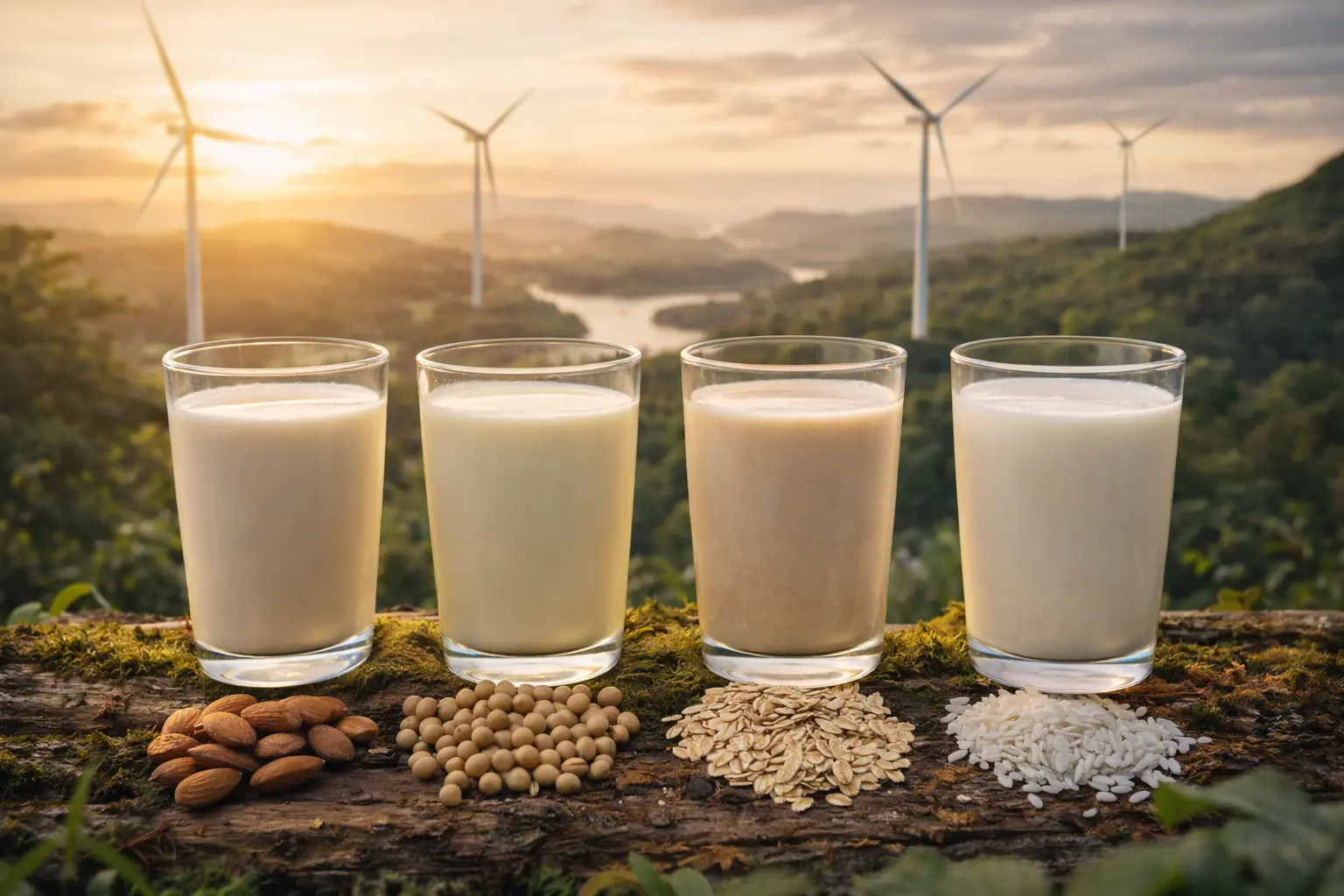
You’re standing in the dairy aisle feeling guilty about your carbon footprint, wondering if switching to plant-based milk will actually make a difference for your health and the planet, and honestly, the plant based milk environmental impact confusion is making you want to just grab whatever’s on sale.
Almond milk: a popular choice
Almond milk has become the go-to option for many women transitioning away from dairy, and for good reason. It delivers a naturally nutty flavor that works beautifully in morning coffee, smoothie bowls, or poured over cereal without that chalky aftertaste some plant milks leave behind. The real draw for women is its vitamin E content, which supports skin health and acts as an antioxidant in your body. However, here’s where you need to pause and think about your situation. If you have a nut allergy or suspect one, almond milk is completely off the table. Beyond allergies, consider that almond production requires significant water resources, so if environmental impact matters to you, this might not align with your values. When shopping, look for fortified versions that include calcium and vitamin D, since almonds naturally contain minimal amounts. Many women find that unsweetened varieties work best for savory applications, while sweetened versions suit desserts and flavored coffee drinks better.
- High in vitamin E for skin health
- Creamy texture suitable for coffee and smoothies
- Not ideal for individuals with nut allergies
Oat milk: creamy and sustainable
Oat milk has quietly become the darling of the plant-based world, and women are noticing. The appeal starts with texture: it froths beautifully for lattes, pours smoothly over granola, and creates a genuinely creamy mouthfeel that rivals dairy in ways other plant milks struggle to match. From a sustainability angle, oats are grown in climates that need less water intervention than almonds, making this choice feel better when you’re thinking about plant based milk environmental impact. What makes oat milk particularly valuable for women is its fiber content and beta-glucans, compounds that support heart health and help stabilize blood sugar throughout the day. This matters if you’re managing energy levels or dealing with afternoon crashes. A practical tip: if you’re new to oat milk, start with a barista blend version, which is specifically formulated to perform well in hot beverages. Some women report that regular oat milk can separate or become grainy when heated, so the barista version eliminates that frustration. Store-bought oat milk typically costs more than almond, but many women find the taste and performance justify the price difference.
📘 Fix your day in under 2 minuteschoose where to begin:
Soy milk: protein-packed option
If you’re a woman focused on protein intake, soy milk stands apart from other plant-based options because it contains all nine essential amino acids your body cannot produce on its own. This makes it genuinely comparable to dairy milk in terms of protein quality, which matters whether you’re recovering from workouts, building muscle, or simply maintaining steady energy. Beyond protein, soy milk delivers calcium naturally, supporting bone health during your reproductive years and beyond, which is why many women find this option particularly relevant. The taste can take adjustment: some describe it as slightly beany if you’re used to dairy, but most women adapt quickly, especially with sweetened or flavored varieties. One common mistake is assuming all soy milk brands taste the same. They don’t. Spend time trying different brands because the flavor profile varies significantly. Some women use soy milk specifically for cooking and baking because its protein content helps create better texture in recipes. If you have concerns about soy and estrogen, current research shows that soy consumption is safe for most women, though those with specific health conditions should consult their doctor.
Coconut milk: rich and versatile
Coconut milk brings a distinct tropical flavor and luxurious richness that works beautifully in certain contexts, though it requires more thoughtful use than other options. The medium-chain triglycerides (MCTs) in coconut milk are believed to support metabolism and provide quick energy, which appeals to women interested in performance or weight management. However, here’s the honest part: coconut milk is higher in saturated fat than other plant milks, so if you’re monitoring saturated fat intake for heart health or cholesterol management, you need to be intentional about portion sizes. Many women use coconut milk strategically rather than as their daily driver. Pour it in curries, blend it into smoothie bowls, or use it in desserts where its flavor shines rather than in everyday coffee. This approach lets you enjoy its benefits without overdoing saturated fat. The environmental impact of coconut production varies widely depending on farming practices, so if sustainability matters to you, research brands that source responsibly. One practical strategy: keep both coconut milk and a lighter plant milk on hand so you can choose based on what you’re making that day. This flexibility prevents the boredom that sometimes comes with relying on a single milk option.
Rice milk: gentle and allergen-free
Rice milk occupies a unique position for women with multiple allergies or sensitivities because it’s naturally free from nuts, soy, and most common allergens. If you’ve struggled with digestive issues or have a sensitive stomach, rice milk’s gentle nature makes it worth trying. It’s naturally sweet without added sweeteners, which some women appreciate for reducing overall sugar intake, though you’ll want to check labels since many brands add sweeteners anyway. The digestibility factor matters more than many people realize. Women dealing with IBS, Crohn’s disease, or general digestive sensitivity often find rice milk easier on their system than heavier plant milks. The trade-off is that rice milk contains less protein and fewer naturally occurring nutrients than soy or oat milk, so fortification becomes essential. When choosing rice milk, prioritize fortified versions with added calcium, vitamin D, and vitamin B12. One consideration: some women notice rice milk tastes slightly thinner or more watery compared to creamier options, so it works better in certain applications like cereal or smoothies than in coffee where you want body and richness. If you’re using rice milk as your primary option, pay attention to your overall nutrition to ensure you’re getting adequate protein and minerals from other food sources.
Plant-based milk choices like almond, oat, soy, coconut, and rice milk offer unique nutritional benefits and cater to different dietary preferences. Women can enjoy these alternatives while being environmentally conscious, as each option has its own advantages and considerations.
Is plant-based milk healthier than dairy milk for women?
Plant-based milk alternatives can be part of a healthy diet for women, providing essential nutrients and catering to various dietary preferences. It is essential to choose fortified options to ensure adequate intake of vitamins and minerals.
Are plant-based milks environmentally friendly?
Plant-based milks generally have a lower environmental impact compared to dairy milk, as they require less water and land for production. Opting for sustainably sourced plant-based milk can further reduce the carbon footprint of your diet.
Others also read:
Disclaimer: This article is for informational purposes only and is not a substitute for professional medical advice. Always consult a healthcare professional for personal guidance.
This guide has been prepared and reviewed by the GlobalHealthBeacon editorial team and reflects current medical research as of 2026. It provides structured, evidence-based information to support informed health decisions.
← Go to the plant based milk environmental impact main guide
