Your phone buzzes constantly, drains your battery by noon, and you are drowning in notifications while technologies replacing mobile phones keep evolving faster than you can keep up, leaving you wondering if there is actually something better out there that fits your real life.
Foldable phones unfolded
Foldable phones represent a significant shift in how we think about portability and screen real estate. Imagine opening your device like a book to reveal a tablet-sized display, then folding it back into pocket-friendly dimensions. For women juggling work emails, creative projects, and social connections, this flexibility offers genuine appeal. You get the compact convenience of a traditional phone when you are on the move, then unfold a larger workspace when you need to edit documents, design graphics, or video call with family. The learning curve is minimal, and the durability has improved dramatically since the first generation. However, the premium pricing remains a consideration. These devices typically cost 40 to 50 percent more than standard flagship phones. Additionally, the fold crease becomes visible over time, and the hinge mechanism requires careful handling to ensure longevity. Before investing, consider whether you actually need the expanded screen regularly or if you are paying for innovation you will rarely use.
- Compact design for easy portability
- Enhanced multitasking capabilities
- Higher price point compared to traditional smartphones
Smartwatches: beyond telling time
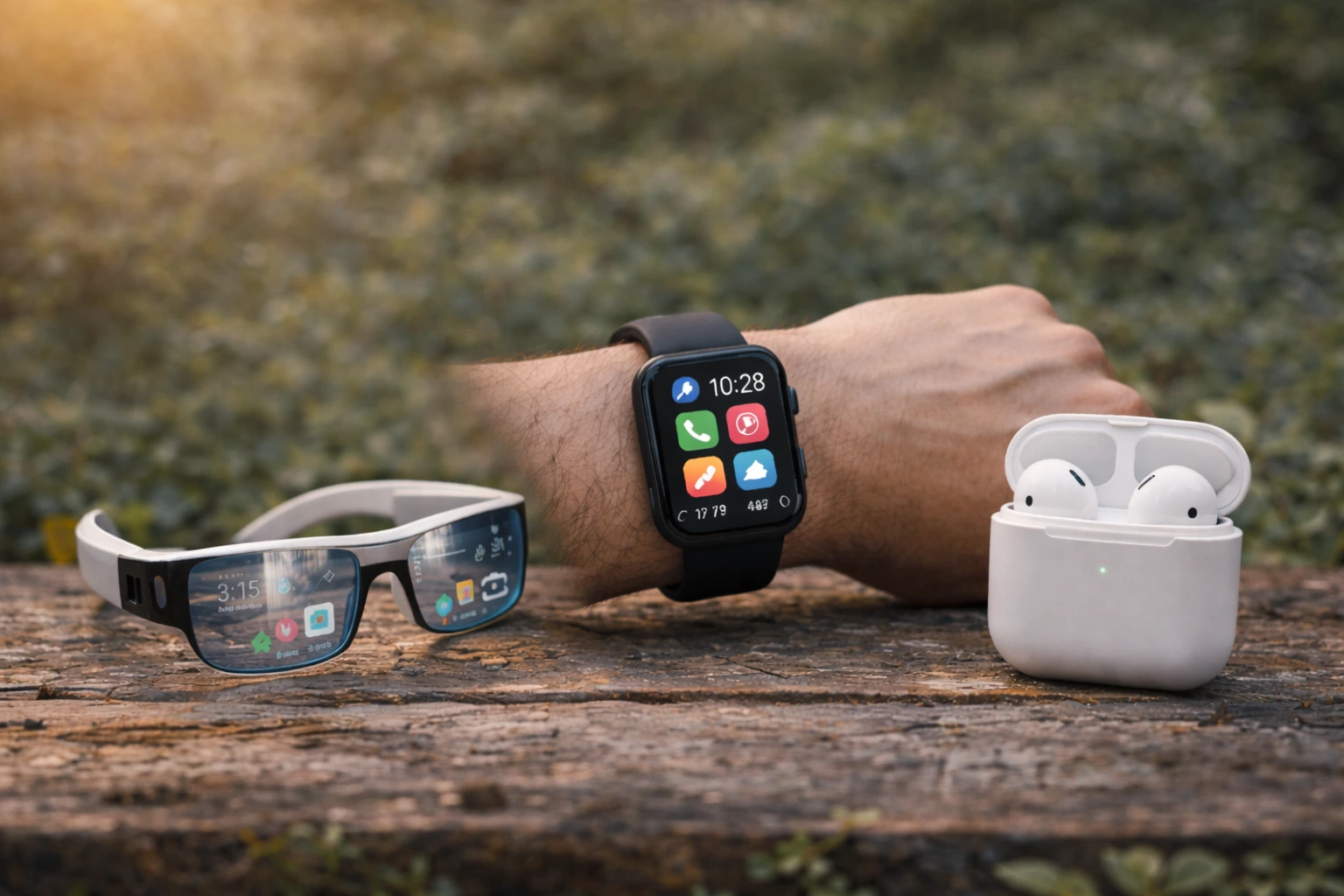
Smartwatches have evolved into genuine productivity partners that sit right on your wrist. Beyond displaying notifications, modern smartwatches track your fitness metrics, monitor heart rate patterns, and help you stay accountable to health goals without constantly reaching for your phone. Picture this: you are in a meeting and your watch vibrates with an important message, allowing you to glance discreetly rather than pulling out your device. For women managing multiple responsibilities, this subtle connectivity reduces the mental load of constant phone checking. Smartwatches also enable quick replies through voice or preset messages, answer calls directly from your wrist, and sync with your calendar to remind you of appointments. The battery typically lasts several days, making them reliable companions. The catch is that smartwatches work best when paired with a smartphone, so they complement rather than replace your primary device. They are ideal if you want to reduce phone dependency without going completely offline.
📘 Fix your day in under 2 minuteschoose where to begin:
Tablets vs. traditional phones
Tablets occupy a middle ground that appeals to women seeking a larger screen without the bulk of a laptop. If you spend significant time reading, sketching, writing, or consuming content, a tablet provides a noticeably better experience than a phone. Consider a scenario where you are a freelance designer or writer working from coffee shops. A tablet with a stylus or keyboard attachment transforms into a portable workstation that handles creative tasks smoothly. For communication, tablets handle video calls beautifully with their larger displays and better speakers. Email, messaging, and social media feel less cramped on a tablet screen. The drawbacks are practical: tablets are less portable than phones, require both hands to use comfortably, and lack cellular connectivity unless you purchase a pricier model with built-in data. They also feel awkward for quick tasks like sending a text or taking a photo while standing. Most women find tablets work best as a secondary device rather than a complete smartphone replacement, especially if you need to stay reachable on the go.
Voice assistant devices for hands-free usage
Voice assistant devices like smart speakers offer a completely different interaction model. Instead of touching screens, you simply speak commands to control your environment, access information, and manage your day. For women with busy schedules, this hands-free approach reduces friction when you are cooking, exercising, or multitasking. Imagine setting timers, playing music, checking weather, or controlling smart home devices without putting down what you are doing. These devices excel at information retrieval, reminders, and smart home integration. You can ask questions and get immediate answers without scrolling through search results. However, voice assistants have real limitations. They cannot replace the full functionality of a smartphone for messaging, photography, or detailed work. Privacy concerns also matter, as these devices are always listening for wake words. Many women prefer to keep voice assistants in specific rooms rather than carrying them everywhere. They work best as home-based tools that complement your smartphone rather than as standalone replacements.
Revolutionizing communication with wearable tech
Wearable technology represents the cutting edge of how we stay connected. Smart rings track health metrics while remaining discreet and elegant, perfect for women who prefer not to wear a bulky smartwatch. Smart glasses offer augmented reality experiences and hands-free notifications, though they are still emerging technology with limited app ecosystems. Consider a professional woman attending conferences who uses smart glasses to translate conversations in real time or access speaker information without pulling out her phone. Wearable earbuds with integrated displays and gesture controls provide another avenue for staying connected while keeping your hands free. The appeal is clear: these devices integrate technology into your daily wear rather than requiring you to carry additional gadgets. The reality is that wearable tech remains expensive, fragmented across different platforms, and not yet mature enough to fully replace smartphones. Battery life varies significantly, and the learning curve can be steep. Most women find wearables work best as supplements to smartphones, enhancing specific aspects of your day rather than eliminating the need for a primary device.
Explore the evolving landscape of smartphone alternatives through foldable phones, smartwatches, tablets, voice assistant devices, and wearable tech. Discover their unique features, benefits, and considerations to find the perfect replacement for your mobile phone.
Are foldable phones durable?
Foldable phones are designed with durable materials to withstand regular use. However, like any electronic device, proper care and handling are essential to maintain their longevity.
Can smartwatches replace traditional smartphones completely?
While smartwatches offer a range of functionalities, they may not fully replace traditional smartphones for all users. Smartwatches complement smartphone usage by providing added convenience and connectivity.
Others also read:
Disclaimer: This article is for informational purposes only and is not a substitute for professional medical advice. Always consult a healthcare professional for personal guidance.
This guide has been prepared and reviewed by the GlobalHealthBeacon editorial team and reflects current medical research as of 2026. It provides structured, evidence-based information to support informed health decisions.
