You’re in your twenties or thirties, feeling fine, and suddenly someone mentions osteoporosis or bone density, and you’re left wondering if this is actually something you should care about right now, which is exactly why understanding bone density scan DXA explained matters more than you think.
What is a bone density scan (DXA)?
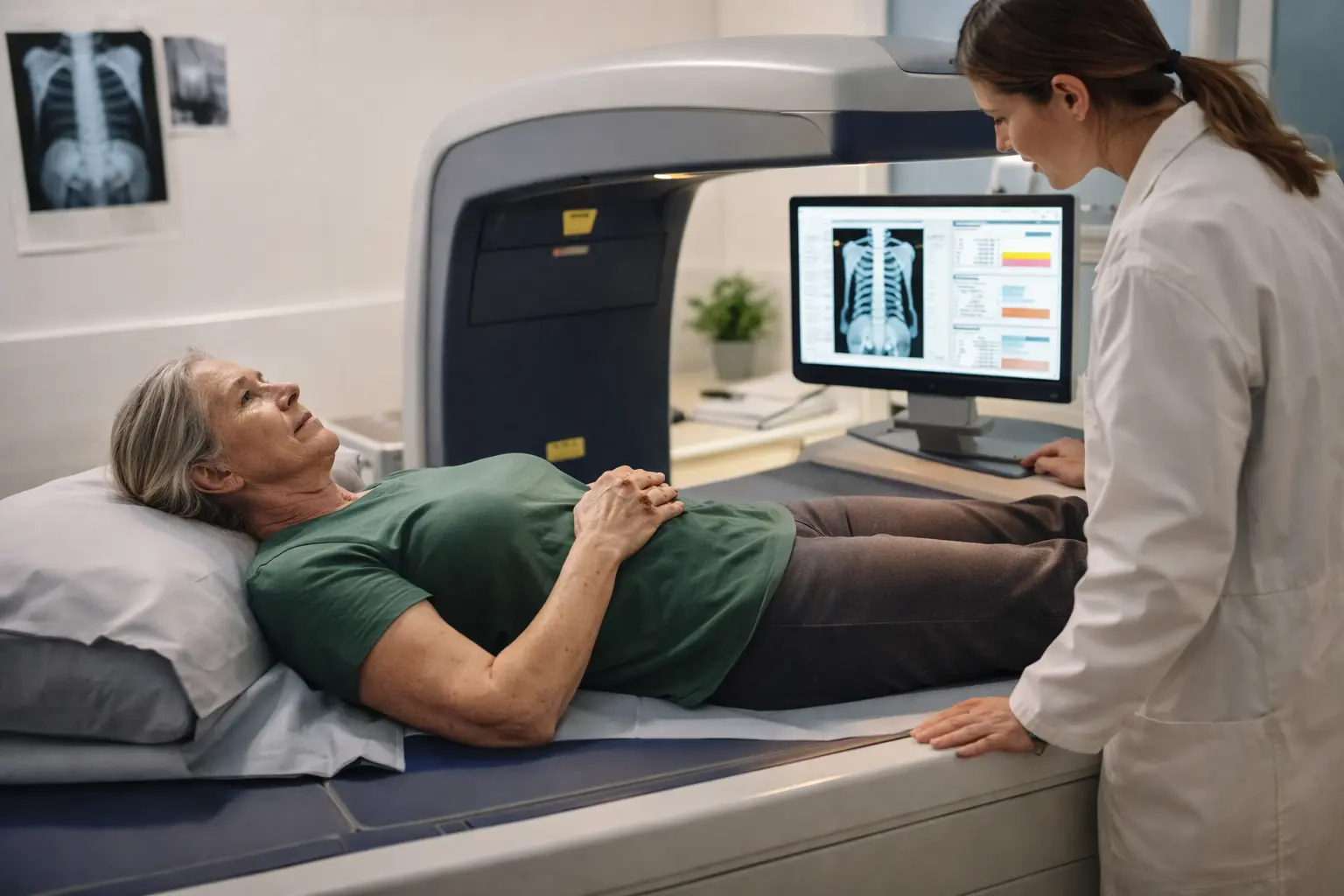
A Bone Density Scan, formally known as Dual-energy X-ray Absorptiometry or DXA, is a straightforward medical test that measures how much mineral is packed into your bones. Think of it like a health report card for your skeleton. The scan uses two different energy levels of X-rays to distinguish between bone and soft tissue, giving your doctor precise measurements of bone strength. It takes about 10 to 30 minutes, you stay fully clothed, and there’s zero pain involved. The machine passes over your body while you lie still on a table, capturing detailed images of your hip, spine, and sometimes your forearm. What makes DXA different from a regular X-ray is its accuracy and low radiation dose, making it the gold standard for assessing fracture risk and detecting early bone loss before serious problems develop.
- Measures bone mineral density with precision
- Helps diagnose osteoporosis and osteopenia early
- Assesses your personal fracture risk
Why consider a DXA scan as a young adult?
Your bones reach peak density around age 30, which means your twenties and early thirties are actually a critical window for building and protecting bone strength. Many young adults assume bone loss is an older person’s problem, but that’s a dangerous misconception. Certain factors like restrictive dieting, intense endurance training without adequate nutrition, hormonal imbalances, family history of osteoporosis, or conditions like celiac disease can accelerate bone loss even in your youth. A DXA scan gives you a baseline measurement and reveals whether you’re on track or need to make changes now. Catching low bone mass early, when you still have decades to reverse or slow the decline through lifestyle changes, is far more effective than discovering osteoporosis at 60 when your options are more limited. Think of it as preventive intelligence for your future self.
📘 Fix your day in under 2 minuteschoose where to begin:
What to expect during a DXA scan
Walking into a DXA appointment, you’ll be guided to a scanning room where a technician explains the process and answers any questions. You’ll remove metal items like jewelry, belts, or phones, then lie on a padded table that’s similar to an X-ray bed but more comfortable. The scanning arm moves slowly over your lower spine and hip area, sometimes your forearm, while you remain completely still. You might hear soft mechanical sounds, but there’s no buzzing, heat, or sensation whatsoever. Most scans take 10 to 30 minutes depending on which areas are being measured. The technician may ask you to position your leg in a specific way to get accurate readings. Afterward, you can get dressed and resume your day immediately. Your healthcare provider will typically have results within a few days and will schedule a follow-up to discuss what the numbers mean and what steps, if any, you should take next.
Interpreting DXA results
Your DXA results come back as a T-score, which compares your bone density to that of a healthy 30-year-old adult. A T-score of -1 and above means your bones are in the normal range. Scores between -1 and -2.5 indicate osteopenia, or low bone mass, which is a warning sign but not yet osteoporosis. Scores below -2.5 suggest osteoporosis, meaning your bones are significantly weaker and fracture risk is elevated. You might also see a Z-score, which compares you to people your own age and sex, helping your doctor understand if your bone density is unusual for your demographic. For example, a 28-year-old athlete with a T-score of -1.8 might need different interventions than a 28-year-old with the same score who is sedentary. Your doctor will explain what your specific numbers mean in the context of your health history, lifestyle, and risk factors, then recommend whether you need dietary changes, exercise adjustments, supplements, or medication.
Maintaining healthy bones
Once you know your bone density status, the real work begins, and the good news is that most interventions are lifestyle-based and within your control. Calcium and vitamin D are non-negotiable: aim for 1,000 to 1,200 mg of calcium daily through dairy, leafy greens, fortified plant milks, or supplements, and 600 to 800 IU of vitamin D, more if you live in a northern climate or have limited sun exposure. Weight-bearing exercise like walking, running, dancing, or strength training stimulates bone formation and should be part of your routine at least three to four times weekly. Avoid smoking entirely and limit alcohol to moderate amounts, as both accelerate bone loss. If you’re female and menstruating, ensure adequate calorie intake and don’t over-restrict food, as this disrupts hormones critical for bone health. Consider working with a registered dietitian if you have dietary restrictions or a history of disordered eating. Regular follow-up DXA scans, typically every one to two years, help you track progress and adjust your approach as needed.
A bone density scan using DXA technology is a valuable, painless tool for assessing your bone health right now, during the years when your actions have the most impact. Understanding your results and taking preventive steps early through nutrition, exercise, and lifestyle choices can help you maintain strong bones and significantly reduce your risk of fractures and osteoporosis later in life.
Does a DXA scan expose me to a lot of radiation?
DXA scans use an extremely low dose of radiation, roughly equivalent to the radiation you naturally receive from the environment in about 10 days. The effective dose is so minimal that the benefits of knowing your bone density status far outweigh any radiation risk, especially since you can space scans several years apart.
How often should young adults get a DXA scan?
There’s no one-size-fits-all answer. If you have risk factors like a family history of osteoporosis, hormonal issues, restrictive eating patterns, or certain medical conditions, your doctor might recommend a baseline scan in your twenties or thirties. Otherwise, discuss with your healthcare provider whether screening is appropriate for you, and if so, how frequently you should repeat it based on your initial results and lifestyle changes.
Others also read:
Disclaimer: This article is for informational purposes only and is not a substitute for professional medical advice. Always consult a healthcare professional for personal guidance.
This guide has been prepared and reviewed by the GlobalHealthBeacon editorial team and reflects current medical research as of 2026. It provides structured, evidence-based information to support informed health decisions.
