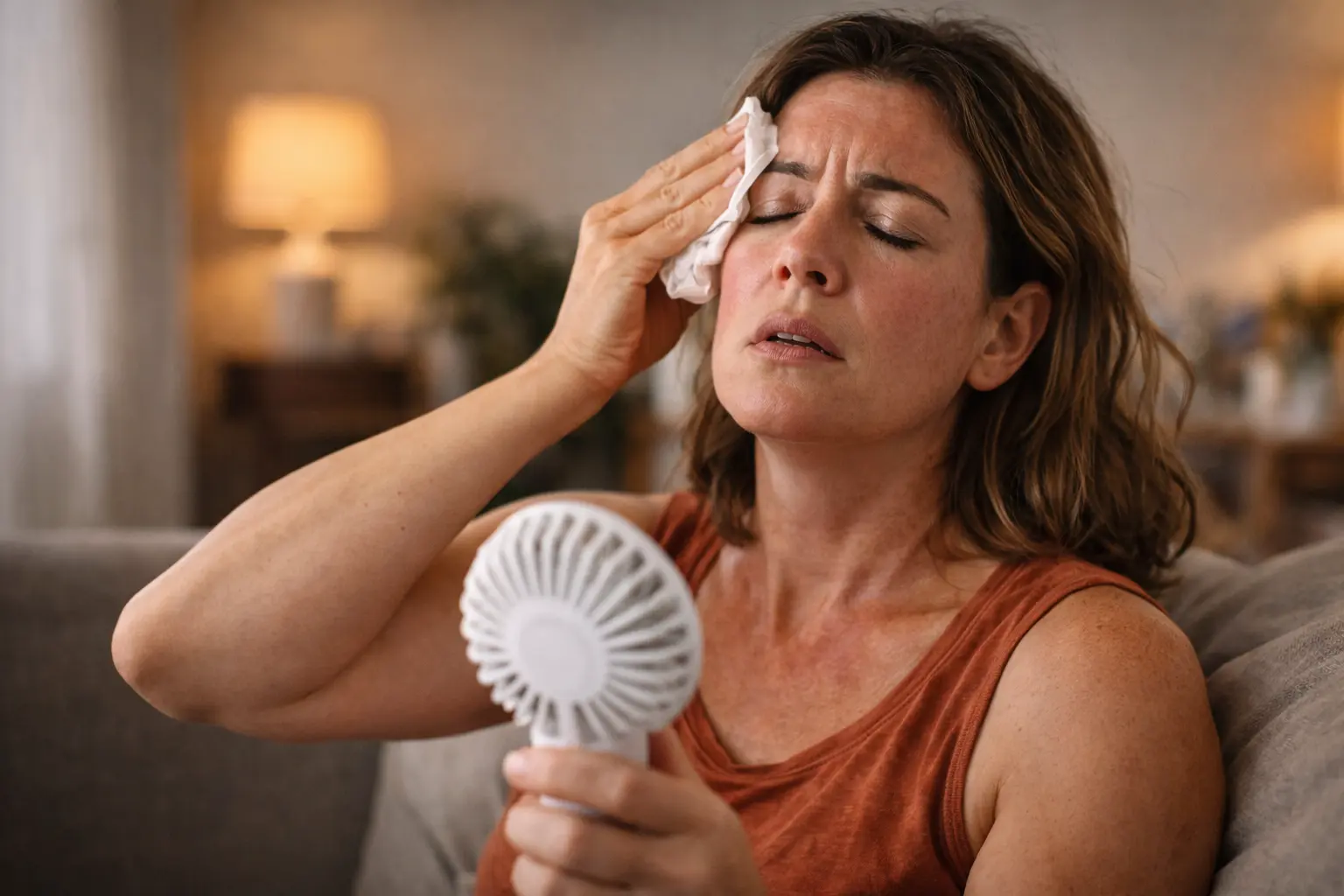
You’re sitting in a meeting, suddenly your face is burning, sweat drips down your back, and everyone’s staring while you’re frantically fanning yourself with papers – menopause hot flashes are real, they’re relentless, and you’re not alone in this.
Healthy lifestyle changes
Your daily habits matter more than you might think when managing menopause hot flashes. Start by examining what you eat and drink. A woman in her early 50s might notice that her afternoon coffee triggers intense flushes within minutes, while another finds that spicy dinners set off episodes hours later. The key is tracking your personal patterns. Maintain a food diary for two weeks, noting what you consume and when hot flashes occur. Hydration plays a critical role too – aim for eight to ten glasses of water daily, as dehydration intensifies symptoms. Regular exercise, even thirty minutes of brisk walking five times weekly, helps regulate body temperature and reduces overall frequency. Weight management also influences hormone levels, so focus on sustainable changes rather than crash dieting. Stress reduction through yoga, meditation, or deep breathing exercises can lower cortisol, which often triggers episodes. Many women report that combining these approaches creates a cumulative effect stronger than any single change alone.
- Eat a balanced diet rich in fruits, vegetables, and whole grains.
- Avoid triggers like alcohol, caffeine, and spicy foods.
- Practice stress-reducing techniques such as yoga or meditation.
Herbal remedies
Natural supplements attract many women seeking alternatives to pharmaceutical interventions for menopause hot flashes. Black cohosh, derived from a North American plant, has been used for decades and some studies show modest symptom relief within four to eight weeks. Dong quai, a traditional Chinese herb, works differently by supporting overall hormonal balance rather than targeting flashes directly. Evening primrose oil contains gamma-linolenic acid, which some women find reduces both frequency and intensity when taken consistently for three months. Red clover isoflavones mimic estrogen’s effects in the body, offering relief for certain women while showing minimal impact for others. The challenge is that herbal remedies work differently for each person – what helps your friend might do nothing for you. Start with one supplement at a time, giving it at least six to eight weeks before evaluating effectiveness. Always inform your healthcare provider about any supplements you’re considering, especially if you take blood thinners, hormone medications, or have a history of estrogen-sensitive cancers. Quality varies significantly between brands, so choose reputable manufacturers that third-party test their products.
📘 Fix your day in under 2 minuteschoose where to begin:
Hormone therapy
When lifestyle changes and natural remedies fall short, hormone therapy becomes a serious option worth discussing with your doctor for severe menopause hot flashes. Hormone therapy works by replacing estrogen and sometimes progesterone that your body stops producing during menopause, directly addressing the root cause of temperature regulation problems. A woman experiencing ten to fifteen hot flashes daily might see reduction to two or three within weeks of starting therapy. The approach comes in multiple forms: patches deliver consistent hormone levels through your skin, pills offer daily dosing you control, and vaginal creams target localized symptoms. Benefits extend beyond hot flash relief – many women report better sleep, improved mood, and restored sexual function. However, hormone therapy isn’t risk-free. Extended use carries slightly elevated risks of blood clots, stroke, and breast cancer in some women, particularly those over 60 or with specific health conditions. The decision requires honest conversation with your healthcare provider about your personal health history, family medical background, and symptom severity. Many women use hormone therapy short-term, tapering off after two to three years once symptoms stabilize, rather than treating it as permanent.
Cooling products
When a hot flash hits, you need immediate relief, and cooling products deliver exactly that without waiting for medications to work. Moisture-wicking sleepwear made from bamboo or specialized synthetic fabrics keeps sweat from clinging to your skin, reducing that uncomfortable sticky feeling that prolongs discomfort. Cooling pillows with gel inserts maintain a comfortable temperature throughout the night, addressing one of the most disruptive times for many women. Portable fans, whether handheld battery-operated versions or desk models, provide quick temperature control during work or social situations. Some women keep cooling towels in their freezer, wrapping them around their neck or wrists during intense episodes to rapidly lower core body temperature. Layering your clothing allows quick adjustment – remove a cardigan or sweater as soon as a flash begins rather than being trapped in heavy fabric. Your bedroom environment matters significantly; keeping it between 60 and 67 degrees Fahrenheit helps prevent night sweats that interrupt sleep. While these products don’t address the underlying cause of menopause hot flashes, they make daily life manageable and prevent the anxiety that comes from being caught unprepared during an episode.
Acupuncture and acupressure
Traditional Chinese medicine approaches menopause hot flashes by viewing them as energy imbalances rather than simple hormone fluctuations. Acupuncture involves inserting thin needles at specific body points to restore proper energy flow, with many women reporting noticeable symptom reduction after six to twelve sessions. A typical treatment involves lying comfortably while a licensed acupuncturist places needles at points related to hormonal regulation and temperature control, often leaving them for twenty to thirty minutes. Some women experience immediate relief after their first session, while others need consistent treatment over several weeks before noticing changes. Acupressure offers a non-needle alternative where practitioners apply pressure to the same points using fingers or small tools, making it accessible if you’re needle-averse. Research shows mixed but promising results, with some studies indicating acupuncture reduces hot flash frequency by thirty to fifty percent in certain women. The mechanism isn’t fully understood by Western medicine, but many practitioners believe it works by regulating the nervous system and improving circulation. Finding a licensed, experienced acupuncturist matters greatly – ask for credentials, experience with menopause symptoms, and realistic expectations about timeline for results.
Managing menopause hot flashes effectively requires exploring multiple approaches tailored to your unique body and lifestyle. Lifestyle modifications form the foundation, herbal remedies offer gentler alternatives, hormone therapy addresses severe cases, cooling products provide immediate relief, and alternative therapies like acupuncture round out your options. Your path forward involves honest conversation with your healthcare provider about your symptoms, health history, and personal preferences. What works brilliantly for one woman might not suit another, so patience and willingness to adjust your approach matters. Start with one or two strategies, give them adequate time to show results, then add or modify as needed. You deserve to feel comfortable in your own body again.
Are herbal remedies safe for managing hot flashes?
While herbal remedies can be effective for some women, it’s essential to consult with a healthcare provider before trying any new supplements. Some herbs may interact with medications or have side effects. Quality and potency vary between brands, so choose products from reputable manufacturers. Give any supplement at least six to eight weeks before deciding if it’s working for you.
How can I determine the best treatment option for my menopause hot flashes?
To find the most suitable treatment for your hot flashes, consult with a healthcare provider who can assess your symptoms, medical history, and individual needs. Together, you can explore the various options available and create a personalized treatment plan. Start with one approach, track results for several weeks, then adjust based on what actually works for your body rather than what works for others.
Others also read:
Disclaimer: This article is for informational purposes only and is not a substitute for professional medical advice. Always consult a healthcare professional for personal guidance.
This guide has been prepared and reviewed by the GlobalHealthBeacon editorial team and reflects current medical research as of 2026. It provides structured, evidence-based information to support informed health decisions.
