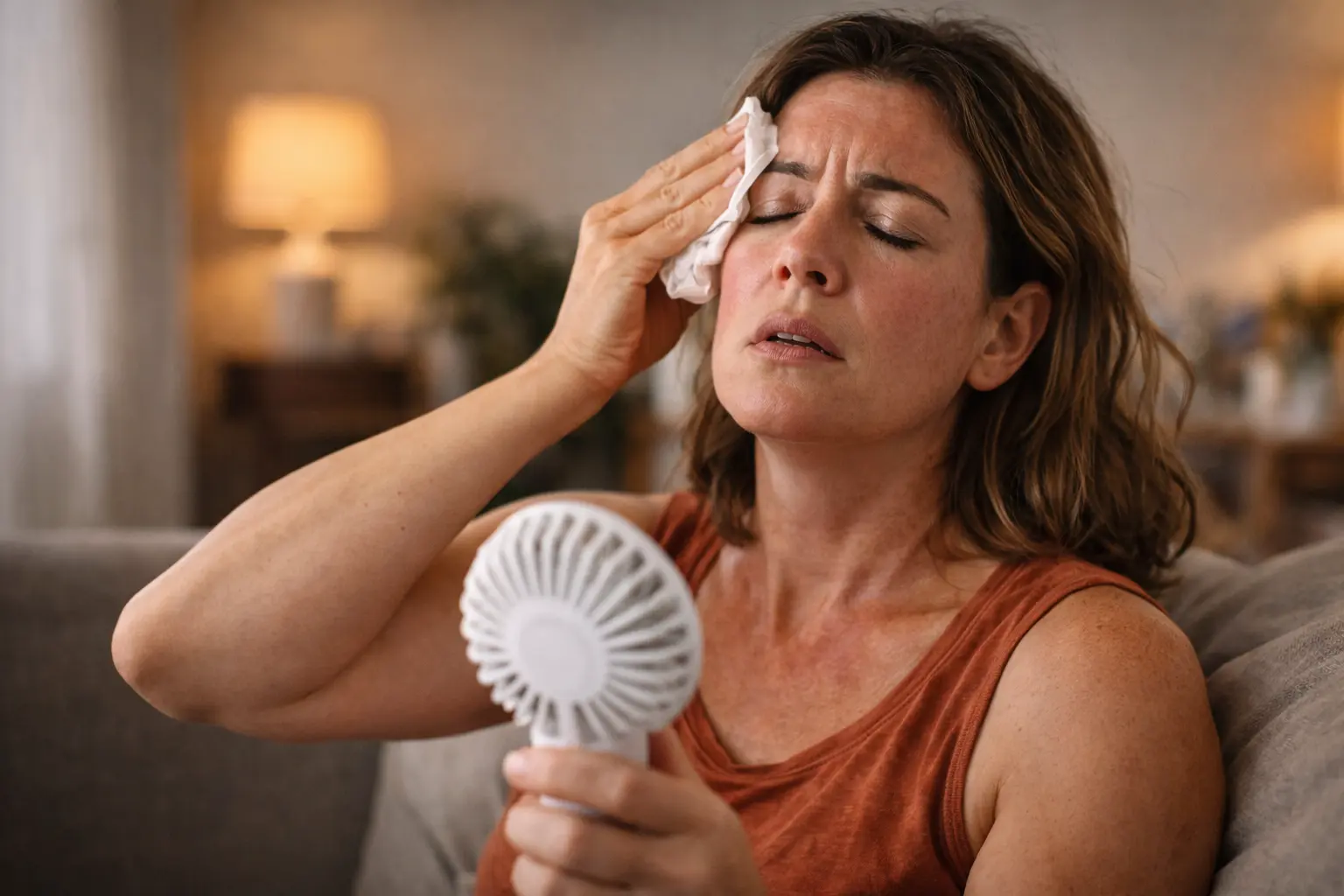
One minute you’re fine, the next you’re drenched in sweat for no reason, and menopause hot flashes have completely hijacked your day, your sleep, and your confidence.
Hormone fluctuations in menopause
During menopause, your body undergoes a profound shift in hormone production that fundamentally changes how your brain regulates temperature. As estrogen levels decline, the hypothalamus, a small but mighty region at the base of your brain, becomes increasingly sensitive to even tiny fluctuations in core body temperature. Think of it like a thermostat that’s been recalibrated to a much lower setting. Your body suddenly interprets a normal temperature as dangerously hot, triggering an emergency cooling response. This isn’t your imagination or a sign of weakness. It’s a measurable biological process where your brain misfires temperature signals, causing blood vessels near the skin to dilate rapidly and sweat glands to activate intensely. For some women, this happens dozens of times daily. The hypothalamus also regulates other functions like mood and sleep, which explains why hot flashes often come with emotional shifts and insomnia. Understanding this mechanism helps you recognize that what you’re experiencing is a legitimate physiological event, not something you can simply will away through positive thinking.
Triggers for hot flashes
While hormonal changes are the root cause, certain environmental and lifestyle factors can amplify hot flash episodes or make them more frequent. Caffeine is a common culprit because it stimulates your nervous system and raises heart rate, signaling your body that it needs to cool down. Alcohol has a similar effect, dilating blood vessels and triggering sweating. Spicy foods contain capsaicin, which literally activates heat receptors on your tongue and throughout your digestive system. Stress and anxiety spike cortisol and adrenaline, both of which can trigger the same physiological cascade as a hot flash. Even room temperature matters. Imagine sitting in a warm meeting room while wearing a thick sweater, then stepping outside into cool air. Your body struggles to adjust, and that temperature shock can set off a cascade. Some women find that tight clothing restricts air circulation and traps body heat, making episodes worse. Keeping a personal log of when hot flashes occur and what preceded them helps you identify your unique triggers. This isn’t about eliminating all pleasure from life. It’s about recognizing patterns so you can make informed choices about when and where you’re willing to accept the discomfort.
Managing hot flashes
Managing hot flashes effectively requires a multi-layered approach tailored to your lifestyle and preferences. Hydration is foundational because water helps your body regulate temperature more efficiently and supports overall thermoregulation. Drinking water consistently throughout the day, not just when you feel a flash coming on, creates a baseline of physiological stability. Layering your clothing gives you immediate control. Wear a breathable base layer, a cardigan or light jacket you can remove, and avoid heavy fabrics like wool or thick cotton blends that trap heat. Many women keep a small fan at their desk or bedside for instant relief during episodes. Stress-reducing practices like yoga, meditation, or even slow walking activate your parasympathetic nervous system, the part that calms your body down. Progressive muscle relaxation, where you tense and release muscle groups, can interrupt the hot flash response mid-episode. Some women find that deep breathing, specifically extending the exhale longer than the inhale, signals safety to their nervous system. Avoiding your personal triggers when possible reduces frequency. If you know caffeine after 2 PM guarantees a rough evening, adjusting your coffee timing is a practical win. These strategies work best in combination, creating a comprehensive toolkit you can draw from depending on the situation.
- Stay hydrated throughout the day with consistent water intake.
- Dress in breathable, layered fabrics you can adjust quickly.
- Engage in stress-reducing activities like yoga, meditation, or deep breathing.
🔬 Science-backed benefits in 2 minuteschoose where to begin:
Effects of hot flashes on quality of life
The impact of hot flashes extends far beyond the physical sensation of heat. Night sweats disrupt sleep cycles, leaving you exhausted and affecting your ability to concentrate at work or engage socially. Imagine waking up soaked three times a night for months on end. The cumulative sleep deprivation affects mood, memory, and decision-making. During the day, unpredictable hot flashes create anxiety about when the next one will strike, especially in professional settings or social situations where visible sweating feels embarrassing. Some women avoid public spaces, social events, or work situations because they fear a hot flash will happen at an inopportune moment. The emotional toll is real. Irritability from sleep loss, frustration with your body’s unpredictability, and grief over losing control of your physical experience can lead to depression or social isolation. Relationships sometimes suffer when partners don’t understand why you’re snapping at them or why you need the bedroom window open in winter. Seeking support from healthcare providers, therapists, or menopause support groups normalizes your experience and provides practical coping strategies. Connecting with other women going through the same thing reminds you that you’re not alone and that this phase is temporary, even when it feels endless.
Hormone replacement therapy
For women experiencing severe hot flashes that significantly disrupt daily life and sleep, hormone replacement therapy (HRT) is one evidence-based option worth discussing with a healthcare provider. HRT works by supplementing estrogen and sometimes progesterone, stabilizing the hormonal fluctuations that trigger the hypothalamus to misfire. Many women report substantial relief within weeks of starting HRT, with hot flashes reducing in frequency and intensity. However, HRT is not a one-size-fits-all solution. The decision to use HRT involves weighing potential benefits against individual health risks, which vary based on your age, medical history, family history, and personal health factors. Some women are not candidates for HRT due to contraindications like certain types of cancer or blood clotting disorders. Others may prefer to explore non-hormonal medications like certain antidepressants or blood pressure medications that can reduce hot flash frequency. The conversation with your healthcare provider should include discussing the duration of treatment, monitoring plans, and alternative options. HRT is not a failure or weakness. It’s a medical tool that helps some women reclaim their quality of life during a challenging transition. The key is making an informed decision based on your individual circumstances, not on fear or social pressure.
Conclusion
Menopause hot flashes are a normal biological response to hormonal changes, not a personal failing or something you should simply endure silently. The science is clear: declining estrogen affects your brain’s temperature regulation center, creating a cascade of physical responses that feel very real because they are. By understanding the mechanism behind your symptoms, identifying your personal triggers, and building a toolkit of management strategies, you move from feeling helpless to feeling informed and empowered. Whether you manage hot flashes through lifestyle adjustments, stress reduction, medical interventions, or a combination of approaches, the goal is reclaiming comfort and quality of life during this transition. This phase is temporary. Your body is not broken. And you deserve support and compassion as you navigate it.
Menopause hot flashes result from hormonal changes that affect your brain’s temperature regulation. By understanding your triggers, staying hydrated, managing stress, and exploring options like HRT with your healthcare provider, you can navigate this phase with greater comfort and confidence.
Can hot flashes last for an extended period?
Hot flashes vary widely in duration. Some women experience them for a few months, while others deal with them for several years. The average duration is around 7 to 10 years, though this differs significantly between individuals. Factors like age at menopause onset, genetics, and overall health influence how long you’ll experience them. Your healthcare provider can offer personalized insights based on your specific situation and medical history.
Are hot flashes harmful to overall health?
Hot flashes themselves are not dangerous to your physical health. However, the associated disruptions they cause, particularly sleep disturbance and emotional stress, can affect your overall well-being and quality of life over time. Chronic sleep loss from night sweats can impact cognitive function, mood, and cardiovascular health indirectly. This is why managing symptoms and seeking support is important, not for treating a disease, but for protecting your quality of life during this transition.
Others also read:
Disclaimer: This article is for informational purposes only and is not a substitute for professional medical advice. Always consult a healthcare professional for personal guidance.
This article has been prepared and reviewed by the GlobalHealthBeacon editorial team and is based on current medical research and published scientific literature available in 2026. It provides structured, evidence-based information to support informed health decisions.
