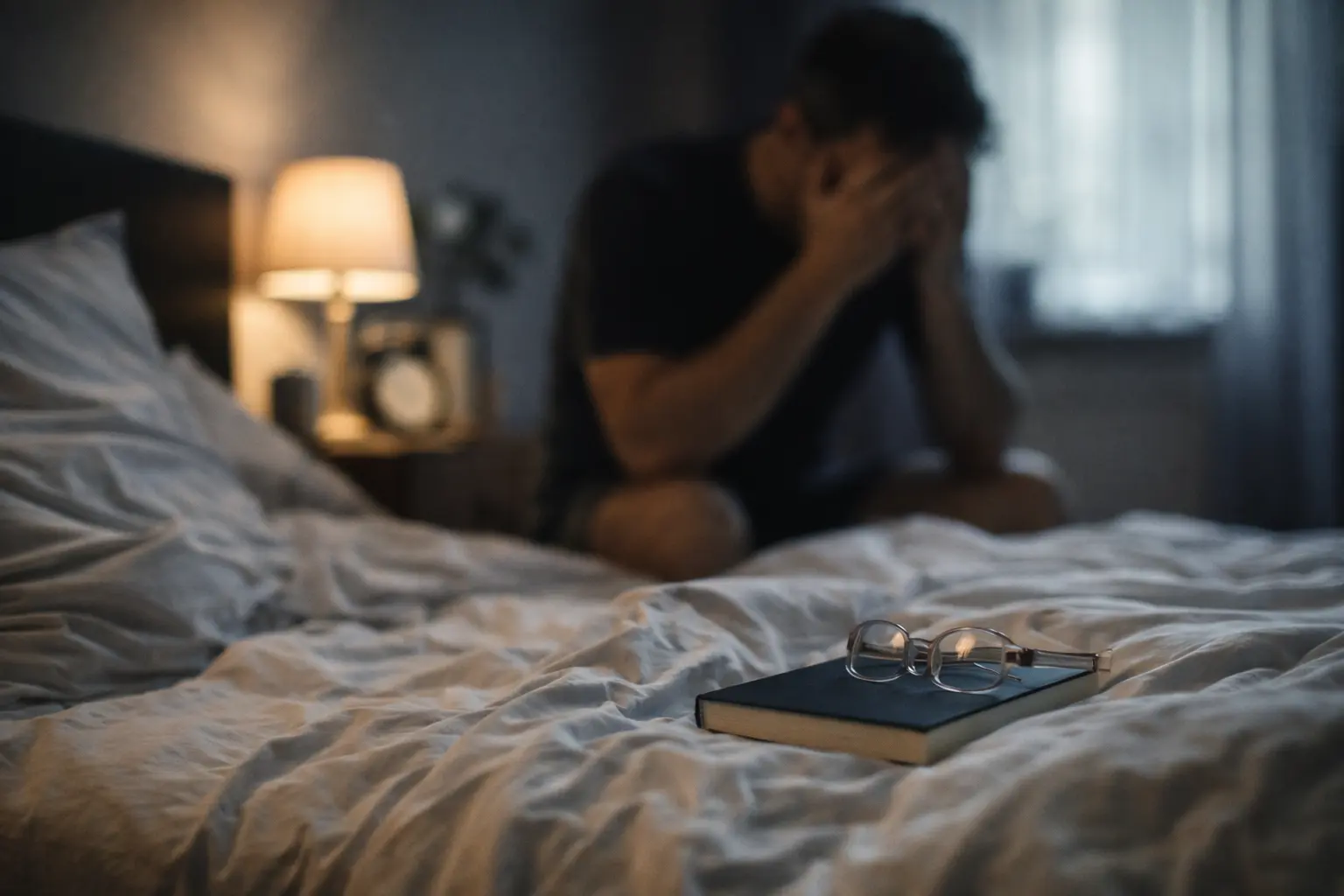
Your heart races for no reason, your mind won’t stop spinning, and you feel like you’re the only one drowning in this invisible weight – but anxiety disorder symptoms explained reveal you’re far from alone, and there are real, actionable ways to reclaim your peace.
Understanding anxiety disorders in women
Anxiety disorders show up differently in women than in men, and understanding this distinction matters more than you might think. Women experience anxiety through a complex interplay of hormonal cycles, societal expectations, and neurobiological factors that create a unique presentation. Consider Sarah, a 34-year-old professional who noticed her anxiety spiked during specific phases of her menstrual cycle, making her wonder if she was losing control. What she discovered through professional guidance was that hormonal fluctuations genuinely influence anxiety severity. Women often report excessive worrying that feels impossible to switch off, physical restlessness that keeps them moving, and concentration difficulties that affect work and relationships. The statistics are clear: women are diagnosed with anxiety disorders at roughly twice the rate of men. This isn’t because women are weaker or more fragile – it reflects how anxiety manifests differently in female bodies and minds, combined with greater willingness to seek help and report symptoms honestly.
- Women are more likely to experience anxiety disorders than men, with factors like hormonal fluctuations and societal pressures playing a role.
- Common symptoms may include panic attacks, social anxiety, phobias, and obsessive-compulsive behaviors.
- Seeking professional help through therapy, medication, or lifestyle changes can significantly improve symptoms and quality of life.
Recognizing the signs of anxiety in women
The physical signals of anxiety in women often get overlooked or misattributed to other conditions, which delays proper treatment. Beyond the emotional experience of worry or dread, women frequently report persistent fatigue that no amount of sleep seems to fix, muscle tension especially in the neck and shoulders, and digestive issues that come and go without clear cause. Emma, a 28-year-old teacher, spent months visiting her doctor about stomach problems before realizing her anxiety was the root cause. Emotionally, anxiety shows up as irritability that surprises you, a constant sense that something bad is about to happen, difficulty making decisions, and trouble sleeping even when exhausted. Some women describe feeling detached from their surroundings or experiencing intrusive thoughts they can’t control. The key is recognizing patterns: does your fatigue worsen during stressful periods? Do your stomach issues appear before important events? Connecting these dots early allows you to intervene before anxiety spirals and affects your work performance, relationships, and self-confidence.
📘 Fix your day in under 2 minuteschoose where to begin:
Coping strategies for women dealing with anxiety
Managing anxiety requires a personalized toolkit because what works brilliantly for one woman might not resonate with another. Yoga and mindfulness meditation offer proven benefits, but the real power comes from consistency and finding the specific practice that fits your life. Lisa discovered that a 10-minute morning breathing routine before checking her phone transformed her entire day, while her sister needed high-intensity exercise to discharge anxious energy. Journaling works by externalizing racing thoughts onto paper, creating distance between you and the worry. Progressive muscle relaxation, where you systematically tense and release muscle groups, directly interrupts the physical anxiety cycle. Building genuine support networks matters tremendously – whether that’s trusted friends, family members, or support groups where you hear others’ stories and feel less alone. Self-care isn’t luxury; it’s maintenance. Prioritizing sleep, limiting caffeine, eating regular meals, and setting boundaries around work emails all reduce your baseline anxiety. Some women benefit from creative outlets like painting or music. Others find grounding techniques like the 5-4-3-2-1 sensory method invaluable when anxiety spikes.
Impact of anxiety disorders on women’s lives
Untreated anxiety doesn’t stay contained to moments of worry – it seeps into every corner of a woman’s life, affecting relationships, career advancement, and physical health. At work, anxiety can sabotage promotions because women hold back from speaking up, avoid leadership opportunities, or struggle with concentration during critical projects. In relationships, anxiety often manifests as people-pleasing, difficulty setting boundaries, or withdrawing emotionally when overwhelmed. Jessica avoided asking for a raise for three years because anxiety told her she wasn’t good enough, costing her tens of thousands in lost income. Physically, chronic anxiety increases inflammation, disrupts sleep quality, and elevates stress hormones that impact metabolism and immune function. Some women develop avoidance patterns, gradually shrinking their world to escape anxiety triggers – avoiding social events, travel, or even leaving the house. The ripple effects extend to family, as anxious mothers often pass stress patterns to children. Yet this story doesn’t have to continue. Recognizing anxiety’s impact is the first step toward prioritizing mental health as non-negotiable self-care rather than a luxury or weakness.
Seeking professional help and support
The moment anxiety starts interfering with your daily functioning – whether that’s avoiding situations, losing sleep regularly, or struggling to concentrate – professional support becomes essential rather than optional. A mental health professional can accurately diagnose your specific anxiety disorder, ruling out medical conditions that mimic anxiety symptoms like thyroid issues or heart problems. Therapy approaches like cognitive behavioral therapy (CBT) teach you to identify thought patterns fueling anxiety and replace them with realistic thinking. Exposure therapy gradually helps you face feared situations in safe, controlled ways. Some women benefit from medication, which isn’t failure but rather a tool that reduces anxiety enough to engage in therapy effectively. Finding the right therapist matters – you might need to try a few before clicking with someone who understands your experience. Support groups connect you with women navigating similar challenges, normalizing your experience and providing practical strategies. Your primary care doctor can provide referrals, or you can use platforms like Psychology Today’s therapist finder. Starting this journey requires courage, but thousands of women have discovered that professional support transforms not just their anxiety symptoms but their entire quality of life, relationships, and sense of possibility.
Anxiety disorders impact women differently, with varying symptoms and coping strategies. Recognizing the signs, seeking support, and prioritizing mental health are crucial steps in managing anxiety effectively.
How do anxiety disorders affect women’s physical health?
Anxiety disorders can manifest in physical symptoms such as increased heart rate, muscle tension, and digestive issues, impacting women’s overall well-being and day-to-day functioning.
What are some effective coping strategies for women dealing with anxiety?
Engaging in relaxation techniques like deep breathing, exercise, and seeking professional help through therapy or support groups can help women cope with anxiety symptoms more effectively.
Others also read:
Disclaimer: This article is for informational purposes only and is not a substitute for professional medical advice. Always consult a healthcare professional for personal guidance.
This guide has been prepared and reviewed by the GlobalHealthBeacon editorial team and reflects current medical research as of 2026. It provides structured, evidence-based information to support informed health decisions.
