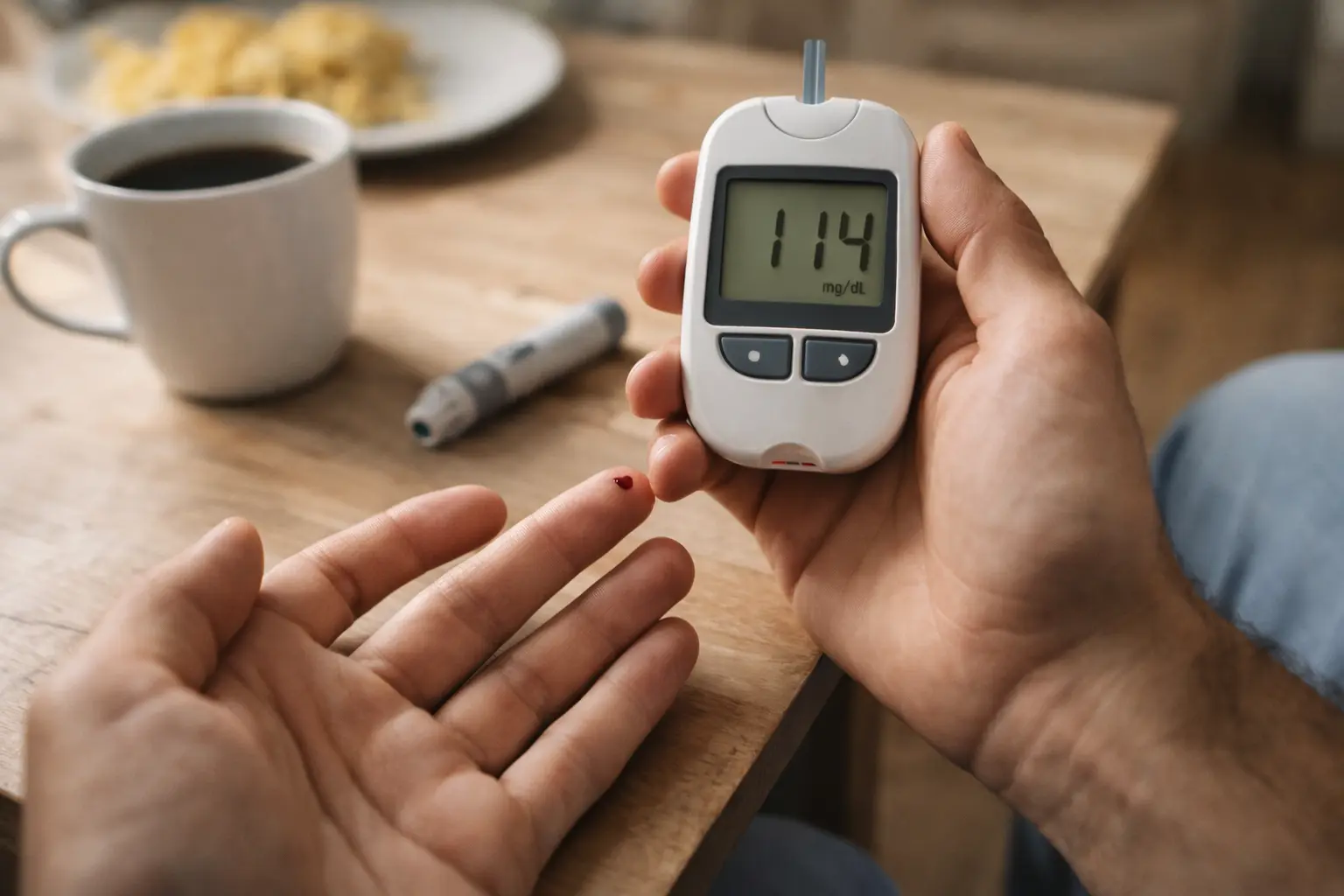
You wake up exhausted, your energy crashes by mid-morning, and you can’t figure out why your body feels so off – it might be your fasting blood sugar levels trying to tell you something.
Understanding fasting blood sugar levels
Fasting blood sugar levels measure the amount of glucose circulating in your bloodstream after you haven’t eaten for at least 8 hours, typically first thing in the morning. Think of it as a snapshot of how your body manages glucose when it’s in a rested state. Normal fasting blood sugar for women typically ranges between 70 and 100 mg/dL. When your level sits at 101 to 125 mg/dL, that signals prediabetes, meaning your body is starting to struggle with glucose regulation. Above 126 mg/dL indicates diabetes. Understanding these ranges matters because your fasting blood sugar reflects how well your pancreas is producing insulin and how effectively your cells are responding to it. For example, if you consistently see readings of 110 mg/dL, your body is working harder than it should to manage glucose, even during rest. This number tells a story about your metabolic health that goes beyond a single morning measurement.
- Check your levels regularly to monitor changes over time.
- Maintain a balanced diet and stay physically active to help regulate blood sugar.
- Consult your healthcare provider for personalized advice on managing your levels.
Factors affecting fasting blood sugar
Your fasting blood sugar doesn’t exist in isolation. It’s influenced by a complex web of factors that shift daily. Stress is a major player: when you’re anxious or sleep-deprived, your body releases cortisol, which triggers your liver to release stored glucose, pushing your fasting number higher. Medications like corticosteroids or certain blood pressure drugs can elevate readings. Your diet the evening before matters more than many realize; eating refined carbs or sugary foods late can disrupt your overnight glucose stability. Physical activity patterns affect it too. A woman who exercises regularly typically has better insulin sensitivity, meaning her cells respond more efficiently to insulin, resulting in lower fasting numbers. Hormonal fluctuations throughout your menstrual cycle can cause variations of 10 to 20 mg/dL. Even dehydration plays a role, concentrating glucose in your bloodstream. Understanding these interconnected factors helps you recognize that a single high reading might not indicate a problem, but a pattern of elevated readings suggests your lifestyle or health needs attention.
📘 Fix your day in under 2 minuteschoose where to begin:
Tips for stabilizing fasting blood sugar
Stabilizing your fasting blood sugar requires a multi-layered approach that addresses evening habits, sleep quality, and daily movement. Start with your dinner: prioritize protein, healthy fats, and fiber-rich vegetables while minimizing refined carbohydrates and sugary drinks. A woman who eats grilled chicken with roasted broccoli and quinoa at 6 p.m. will likely wake with more stable blood sugar than one who had pasta with garlic bread. Sleep quality directly impacts fasting glucose; aim for 7 to 9 hours because poor sleep increases insulin resistance. Hydration matters throughout the day, especially before bed. Regular exercise, even a 20-minute walk after meals, improves how your muscles absorb glucose. Consider timing: eating breakfast within an hour of waking helps regulate your glucose rhythm. Stress management through yoga, meditation, or deep breathing signals your nervous system to calm down, reducing cortisol spikes that elevate fasting readings. These changes work synergistically, so combining several strategies produces better results than relying on one alone.
When to seek medical advice
Knowing when to contact your healthcare provider is crucial for early intervention. If your home glucose monitor consistently shows fasting readings above 125 mg/dL across multiple mornings, that’s a signal to schedule an appointment. Don’t wait for symptoms; many women with elevated blood sugar feel fine initially. However, if you notice increased thirst that seems excessive, frequent urination especially at night, persistent fatigue that coffee can’t fix, blurred vision, or unexplained weight changes, these warrant immediate medical attention. A woman who suddenly feels exhausted despite sleeping eight hours and finds herself making extra bathroom trips might dismiss these as stress or aging, but they could indicate blood sugar dysregulation. Your provider can order an A1C test, which shows your average blood sugar over three months, giving a clearer picture than single readings. They can also rule out other conditions and recommend whether medication, intensive lifestyle changes, or specialist referral is appropriate. Early detection transforms outcomes; catching prediabetes allows you to reverse it through lifestyle alone in many cases.
Monitoring progress and setting goals
Progress tracking transforms abstract health goals into concrete, measurable wins that keep you motivated. Start by establishing a baseline: test your fasting blood sugar for a week and calculate the average. If it’s 115 mg/dL, your first goal might be reaching 105 mg/dL within two months, then 95 mg/dL within four months. Use a simple log or smartphone app to record readings, noting what you ate the previous evening and how you slept. Over time, patterns emerge. You might notice that nights after you exercise show lower readings, or that stress-filled days correlate with higher numbers. Celebrate small victories: dropping from 118 to 110 mg/dL is meaningful progress worth acknowledging. Share your goals with someone who supports you, whether that’s a friend, family member, or healthcare provider. A woman who tells her partner about her target might receive encouragement to take evening walks together, making the goal a shared experience. Retest every four to six weeks to assess whether your changes are working. If progress stalls, that’s information, not failure; it signals you need to adjust your strategy, perhaps adding strength training or consulting a registered dietitian for personalized meal planning.
Your fasting blood sugar levels reveal how your body manages glucose during rest, and understanding these numbers empowers you to take control of your metabolic health. Multiple factors influence these readings, from your evening meals to stress levels to sleep quality, meaning you have real leverage to improve them. Practical lifestyle changes like prioritizing protein at dinner, moving your body regularly, and managing stress create measurable improvements. When readings stay elevated despite your efforts, or when symptoms appear, your healthcare provider can offer targeted guidance and testing. Tracking your progress with clear goals keeps you accountable and motivated. This isn’t about perfection; it’s about building awareness and making informed choices that support your long-term wellbeing.
What should I do if my fasting blood sugar levels are consistently high?
If your fasting blood sugar levels remain elevated across multiple mornings, schedule an appointment with your healthcare provider for a comprehensive evaluation including an A1C test. In the meantime, focus on evening meal composition, prioritizing protein and fiber while reducing refined carbs, ensure you’re sleeping 7 to 9 hours nightly, and incorporate regular physical activity. Your provider can determine whether lifestyle modifications alone will help or if medication is needed, and may refer you to a registered dietitian for personalized nutrition guidance.
Can fasting blood sugar levels fluctuate throughout the day?
While fasting blood sugar is specifically measured after an overnight fast, your blood glucose absolutely fluctuates throughout the day in response to meals, physical activity, stress, hormonal changes, and sleep quality. This is normal and expected. Regular monitoring of your fasting level gives you a baseline measurement of your metabolic health, while tracking post-meal readings or using a continuous glucose monitor can reveal how different foods and activities affect your individual glucose patterns.
Others also read:
Disclaimer: This article is for informational purposes only and is not a substitute for professional medical advice. Always consult a healthcare professional for personal guidance.
This guide has been prepared and reviewed by the GlobalHealthBeacon editorial team and reflects current medical research as of 2026. It provides structured, evidence-based information to support informed health decisions.
