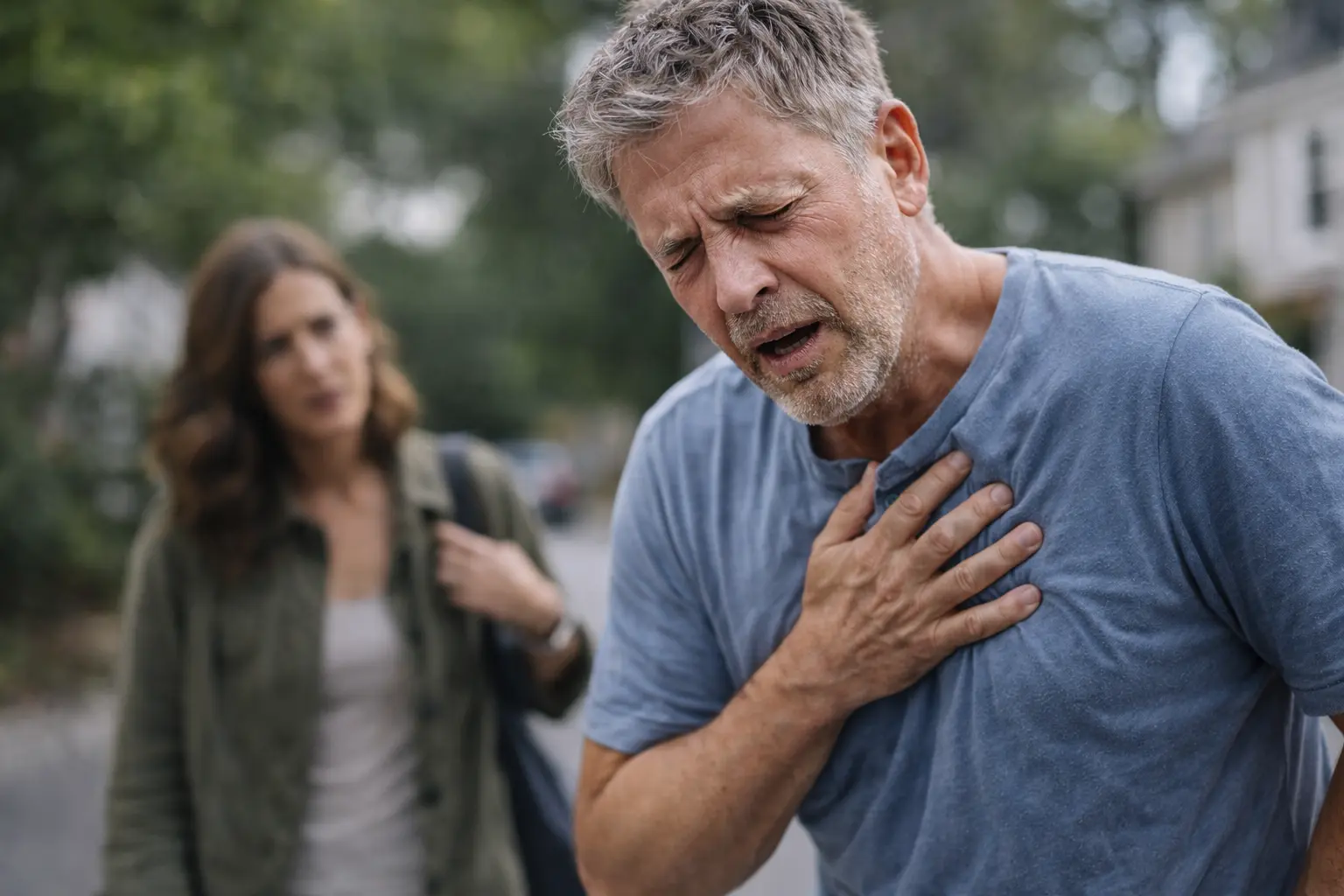
You’re exhausted after a normal day, your chest feels tight, and something just feels off, but you can’t quite put your finger on it, so you brush it aside, and that’s exactly why understanding heart attack warning signs could save your life.
Unusual fatigue and weakness
Fatigue that doesn’t match your activity level is one of the most overlooked warning signs in women. Imagine you’ve always walked three miles every morning without breaking a sweat, but suddenly you’re winded after one mile and need to sit down. This isn’t laziness or age catching up with you. Your body is sending a signal that your heart is working harder to pump blood efficiently. Many women dismiss this as stress, poor sleep, or hormonal changes, but when this fatigue is sudden, persistent, and unrelieved by rest, it deserves attention. Pay special attention if the weakness worsens over days or weeks, or if you feel completely drained even after sleeping eight hours. Some women describe it as feeling like they’re moving through water or carrying invisible weights. This type of fatigue often appears days or even weeks before other symptoms emerge, making it a critical early warning sign to recognize and act on.
- Sudden fatigue during activities you previously found easy
- Persistent weakness that worsens over time
- Feeling exhausted even after a good night’s sleep
Shortness of breath
Breathlessness without obvious physical exertion is a red flag that demands immediate attention. Picture yourself climbing stairs you’ve climbed a hundred times, and halfway up you’re gasping for air like you just sprinted a mile. Or you’re sitting at your desk working and suddenly feel like you can’t take a full breath, as if your lungs won’t expand properly. This symptom often appears alone, without chest pain, which is why women frequently attribute it to anxiety or asthma. However, when your heart isn’t pumping blood effectively, your lungs don’t receive adequate oxygen circulation, triggering that desperate need for air. The shortness of breath may be mild at first, appearing only during activity, but it can progress to happening even at rest. Some women report feeling like they’re suffocating or that something is sitting on their chest. If you notice this symptom emerging suddenly or worsening over time, especially if it’s accompanied by any other unusual sensations, contact emergency services immediately rather than waiting to see if it passes.
📘 Fix your day in under 2 minuteschoose where to begin:
Upper body discomfort
Women frequently experience heart attack symptoms in places they don’t expect. Instead of the classic central chest pain, you might feel a dull ache in your jaw while eating, a sharp pain between your shoulder blades, or a strange pressure in your neck that feels like tension but won’t go away with stretching. Some women describe upper back discomfort that mimics a muscle strain from poor posture, or a burning sensation in the upper abdomen that feels like heartburn. The challenge is that these areas can hurt for many innocent reasons, so women often treat them as minor issues. However, when these sensations appear suddenly, intensify over minutes rather than hours, or occur alongside fatigue or breathing changes, they become significant. Pay attention to discomfort that radiates outward from your center, that comes and goes in waves, or that feels different from any pain you’ve experienced before. Trust your instincts. If something feels genuinely wrong rather than like a typical muscle ache or digestive issue, seek medical evaluation rather than assuming it will resolve on its own.
Cold sweats and nausea
Imagine breaking into a cold sweat for no apparent reason, your skin clammy and your clothes suddenly feeling damp. You might feel nauseated, even vomiting, and assume you’re catching a stomach bug. But when these symptoms appear suddenly without any obvious cause like food poisoning or illness, they warrant serious consideration. Cold sweats during a heart event are different from regular perspiration. They’re often described as clammy or drenching, occurring even in cool environments, and they may be accompanied by a pale appearance. Nausea can range from mild queasiness to severe vomiting, and some women report feeling like they have the flu. The combination of these symptoms is particularly concerning because together they signal that your body is in distress. Women sometimes confuse these signs with menopause symptoms or anxiety, delaying critical medical care. If you experience sudden cold sweats paired with nausea, especially if they occur alongside any other symptoms mentioned in this guide, this is not the time to wait and see. Call emergency services immediately and describe all symptoms you’re experiencing.
Dizziness and lightheadedness
Dizziness or feeling faint can occur before, during, or after a heart event, and it’s a symptom many women don’t connect to cardiac issues. You might feel like the room is spinning, or experience a floating sensation where your body feels disconnected from reality. Some women describe it as a sudden loss of balance, feeling unsteady, or a sensation that they’re about to pass out. This symptom is particularly dangerous because it can lead to falls or accidents, and it often causes women to sit down and rest rather than seek help. However, when dizziness appears suddenly without a clear cause like standing up too quickly or skipping meals, it becomes significant. Lightheadedness paired with any other symptoms in this guide, such as shortness of breath, chest discomfort, or cold sweats, is especially concerning. Some women report a feeling of impending doom or intense anxiety accompanying the dizziness, as if their body knows something is seriously wrong. Trust that intuition. If you experience unexplained dizziness or lightheadedness, particularly if it’s accompanied by other symptoms, don’t drive yourself to the hospital. Call emergency services and describe everything you’re feeling so paramedics can begin assessment immediately.
Heart attack warning signs in women may not always manifest as traditional chest pain. Pay attention to unusual fatigue, shortness of breath, upper body discomfort, cold sweats, nausea, dizziness, and lightheadedness as potential indicators of a heart issue.
Are heart attack symptoms in women different from men?
Yes, women may experience heart attack symptoms differently from men. While chest pain is a common symptom for both, women are more likely to have subtler signs such as fatigue, shortness of breath, and upper body discomfort.
What should I do if I notice these warning signs?
If you notice any potential heart attack warning signs, especially if they are unusual for you, seek immediate medical attention. It’s crucial not to dismiss these symptoms, as timely intervention can save lives.
Others also read:
Disclaimer: This article is for informational purposes only and is not a substitute for professional medical advice. Always consult a healthcare professional for personal guidance.
This guide has been prepared and reviewed by the GlobalHealthBeacon editorial team and reflects current medical research as of 2026. It provides structured, evidence-based information to support informed health decisions.
