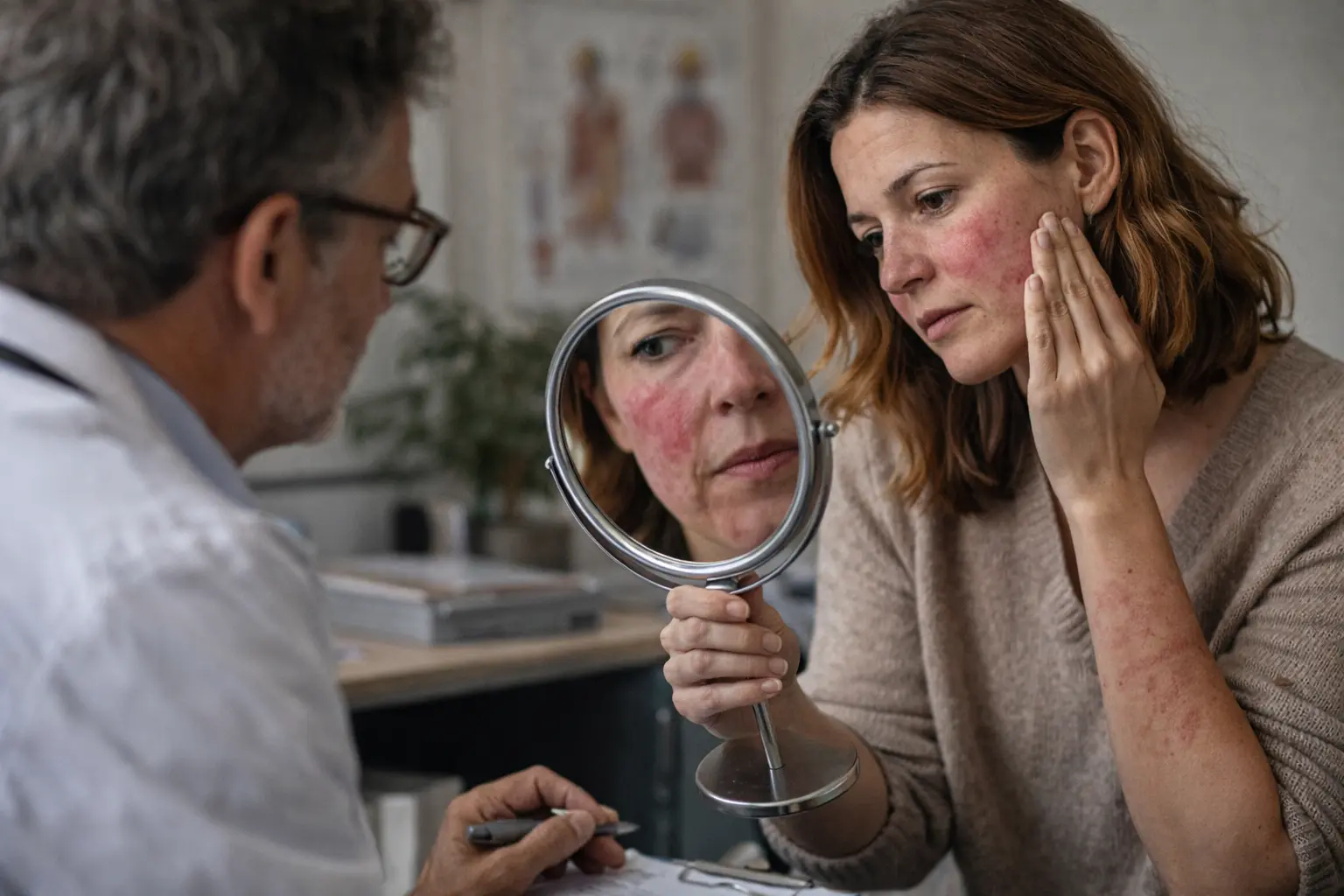
Your face flushes at the worst moments, that persistent redness won’t fade, and you’re tired of feeling self-conscious about rosacea symptoms explained as something you just have to live with, but here’s the truth: you don’t.
Identifying rosacea triggers
Understanding what triggers your rosacea symptoms is the foundation of managing this condition effectively. Common culprits include spicy foods, alcohol, stress, extreme temperatures, and even certain skincare products. Imagine you’re at a dinner party and within minutes of eating something hot, your face flushes intensely. That’s your body sending a signal. The key is learning to recognize these patterns before they happen. Start keeping a detailed journal where you note not just what you ate or did, but also the time of day, your stress level, weather conditions, and how severe your flare-up was. Over two to three weeks, patterns emerge. You might discover that wine triggers you more than beer, or that morning stress causes afternoon redness. Some women find that their rosacea worsens during certain seasons or when they skip their skincare routine. Once you identify your specific triggers, you gain control. You can plan social events around them, adjust your diet strategically, and prepare your skin in advance. This isn’t about restriction, it’s about empowerment and understanding your unique skin.
- Keep a food diary to pinpoint potential triggers
- Manage stress through relaxation techniques
- Avoid excessive exposure to hot or cold temperatures
Gentle skincare routine
Your skincare routine is either your greatest ally or your biggest obstacle when managing rosacea. Many women make the mistake of using products designed for normal or oily skin, which contain harsh actives and fragrances that aggravate rosacea further. Instead, think of your skincare as a calming ritual rather than a treatment protocol. Choose fragrance-free, hypoallergenic products specifically formulated for sensitive or reactive skin. When cleansing, use lukewarm water, not hot, and apply a gentle cream cleanser with your fingertips rather than a washcloth. Pat your skin dry gently, don’t rub. Follow with a hydrating toner or essence designed for sensitive skin, then apply a lightweight, fragrance-free moisturizer while your skin is still slightly damp. This locks in hydration without adding irritants. Avoid products containing alcohol, menthol, eucalyptus, or strong essential oils. Look for soothing ingredients like centella asiatica, niacinamide, or azelaic acid, which are proven to help rosacea-prone skin. Many women report that simplifying their routine to just three steps, done consistently, produces better results than complex multi-step regimens.
📘 Fix your day in under 2 minuteschoose where to begin:
Camouflaging redness with makeup
While you work on managing rosacea from within, makeup can be a confidence booster for daily life. The trick is using the right products and application technique. Start with a green-tinted primer or color-correcting base, which neutralizes red tones before foundation goes on. Apply this only to the areas where redness is most visible, typically the cheeks, nose, and chin. Then choose a full-coverage, mineral-based foundation that matches your skin tone exactly. Mineral makeup is less likely to irritate rosacea-prone skin because it sits on top of the skin rather than absorbing into it. Set everything with a translucent powder to ensure longevity throughout the day. For extra coverage on stubborn red patches, use a color-correcting concealer in a shade slightly darker than your skin tone, applied gently with a damp beauty sponge. Many women find that cream products work better than powders for rosacea because they don’t emphasize texture or dryness. Remember that makeup is temporary, but the confidence it gives you is real. Some days you’ll want full coverage, other days a tinted moisturizer with sunscreen is enough. The goal is feeling comfortable in your own skin, whatever that looks like for you.
Sun protection is key
Sun exposure is one of the most common rosacea triggers, yet many women underestimate its impact. UV rays don’t just cause rosacea flare-ups, they also worsen redness over time and can lead to permanent damage if left unprotected. This is why sunscreen isn’t optional for you, it’s essential. Choose a broad-spectrum sunscreen with SPF 30 or higher, applied every morning regardless of whether you’re spending time outdoors. Physical sunscreens containing zinc oxide or titanium dioxide are preferable to chemical sunscreens because they’re less likely to irritate sensitive skin. Apply sunscreen as the last step in your morning skincare routine, waiting a few minutes before applying makeup. On days when you’ll be outside for extended periods, reapply every two hours, especially after swimming or sweating. Don’t forget often-missed areas like your ears, the back of your neck, and your scalp part line. Consider wearing a wide-brimmed hat or UV-protective clothing when possible. Some women use a powder sunscreen during the day for touch-ups without disrupting their makeup. Think of sun protection as preventative medicine, not just a cosmetic step. The redness you prevent today is the confidence you gain tomorrow.
Consult a dermatologist
If you’ve implemented trigger avoidance, refined your skincare routine, and used protective measures but your rosacea symptoms persist or worsen, professional help is necessary. A dermatologist can properly diagnose your rosacea subtype, which ranges from mild flushing to severe pustular rosacea, and recommend treatments tailored to your specific situation. They may prescribe topical medications like metronidazole, sulfacetamide, or azelaic acid, which are proven to reduce redness and inflammation. For moderate to severe cases, oral antibiotics like doxycycline are often prescribed for their anti-inflammatory properties, not just their antibiotic effects. Laser and light-based treatments such as IPL or laser therapy can also provide significant improvement by targeting the blood vessels causing redness. Some women see dramatic results after just a few sessions. Your dermatologist can also rule out other conditions that mimic rosacea, ensuring you’re treating the right problem. Don’t wait until rosacea significantly impacts your quality of life or self-esteem. Early intervention often leads to better long-term outcomes. Think of professional treatment as an investment in your skin’s health and your peace of mind.
Managing rosacea requires a multi-layered approach. Start by identifying your personal triggers through journaling and observation, then build a gentle skincare routine using fragrance-free, sensitive-skin products. Use makeup strategically to boost confidence while you address the root causes. Prioritize sun protection daily, as UV exposure is a major trigger. If symptoms persist despite these efforts, consult a dermatologist for prescription treatments or advanced therapies. Rosacea is manageable, and with the right strategy, you can significantly reduce redness and regain your confidence.
Can rosacea be cured completely?
While rosacea cannot be cured, it can be effectively managed with the right treatment and lifestyle adjustments.
Are there specific foods to avoid with rosacea?
Common triggers for rosacea include spicy foods, alcohol, hot beverages, and dairy. It’s recommended to keep a food diary to identify individual triggers.
Others also read:
Disclaimer: This article is for informational purposes only and is not a substitute for professional medical advice. Always consult a healthcare professional for personal guidance.
This guide has been prepared and reviewed by the GlobalHealthBeacon editorial team and reflects current medical research as of 2026. It provides structured, evidence-based information to support informed health decisions.
