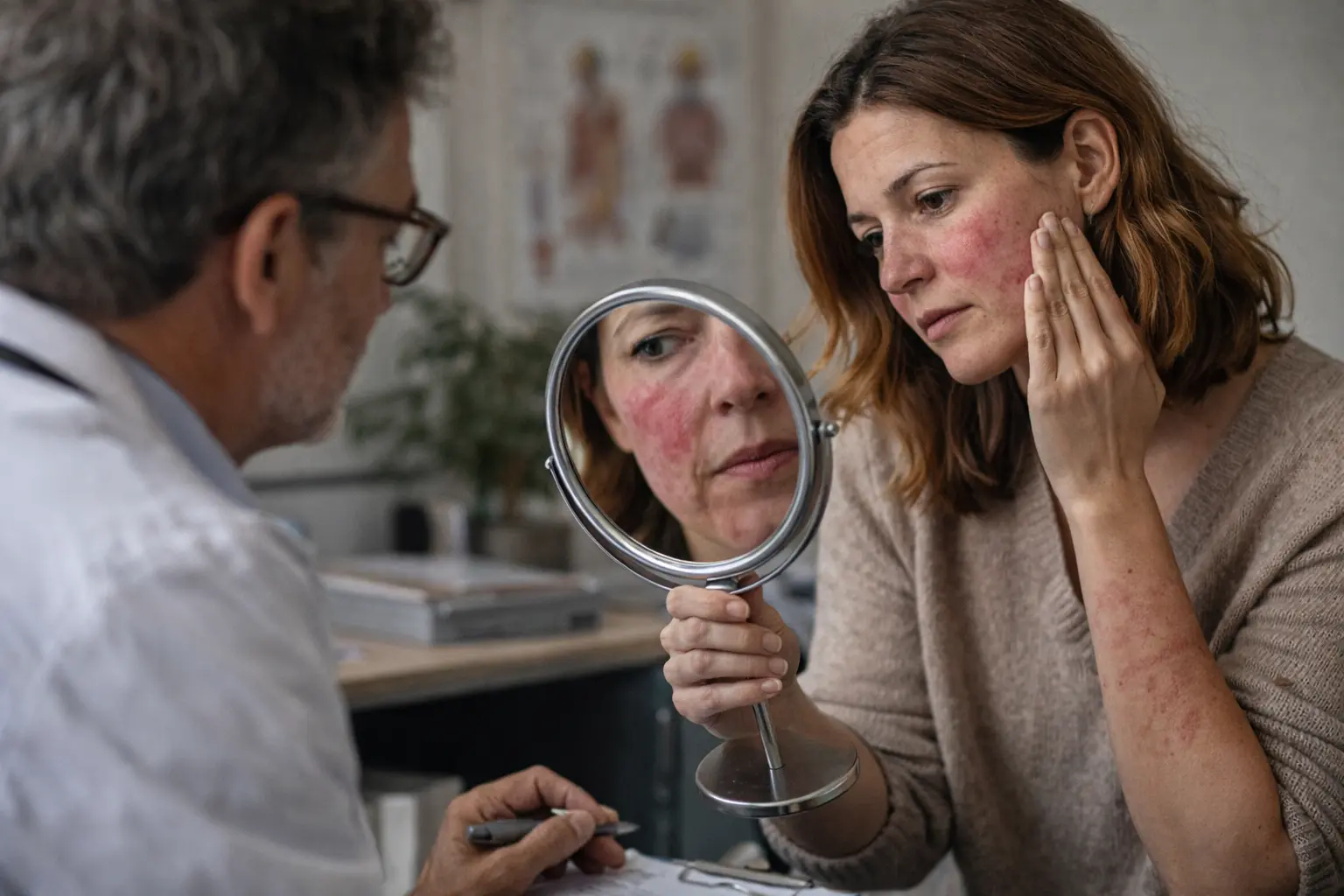
Your face feels like it’s on fire, your cheeks are blotchy and red, and you have no idea why rosacea symptoms explained suddenly became your daily reality, but here’s the thing: you’re not alone, and it’s totally manageable.
Recognizing rosacea symptoms
Rosacea shows up differently for everyone, but the core signs are unmistakable once you know what to look for. Most young adults first notice persistent facial redness that seems to come and go without warning, often concentrated on the cheeks, nose, chin, or forehead. Then come the small, red pus-filled bumps that might remind you of acne but don’t respond to typical acne treatments. You might also spot visible blood vessels threading across your skin, especially when you’re stressed or after a workout. The tricky part is that rosacea flare-ups are triggered by specific things: sun exposure, stress, hot beverages, spicy foods, alcohol, and even intense exercise. One person’s trigger might be completely harmless for another, which is why keeping a flare-up diary helps you identify your personal patterns. Pay attention to what happens in the hours or days after exposure to potential triggers.
- Persistent facial redness, often on the cheeks, nose, chin, or forehead.
- Small, red pus-filled bumps which may come and go
- Visible blood vessels on the face
Lifestyle modifications for rosacea relief
Managing rosacea starts with understanding and avoiding your personal triggers, which requires some detective work on your part. If hot beverages are a problem, switch to room-temperature or cold drinks and let coffee cool before sipping. Spicy foods and alcohol are common culprits, so try eliminating them for two weeks and observe whether your skin improves. Your skincare routine matters enormously: use only gentle, fragrance-free cleansers and avoid products with alcohol, menthol, or strong acids. Pat your skin dry instead of rubbing, and apply moisturizer while your skin is still slightly damp to lock in hydration. Daily sunscreen with at least SPF 30 is non-negotiable, as UV exposure is one of the most consistent triggers. Consider mineral sunscreens with zinc oxide or titanium dioxide, which tend to be gentler on sensitive skin. Beyond products, manage environmental factors by keeping your home at a comfortable temperature, avoiding extreme heat or cold, and using a humidifier during dry months.
📘 Fix your day in under 2 minuteschoose where to begin:
Consulting a dermatologist
If your rosacea isn’t responding to lifestyle changes after four to six weeks, it’s time to see a dermatologist who can provide personalized treatment. Over-the-counter products help some people but often aren’t enough for moderate to severe rosacea. A dermatologist can prescribe topical medications like metronidazole or azelaic acid, which reduce inflammation and redness directly. For more stubborn cases, oral antibiotics like doxycycline work not just as antibiotics but also as anti-inflammatory agents. In recent years, newer treatments like ivermectin cream have shown excellent results for many young adults. Some dermatologists also recommend laser or light-based therapies, which can reduce visible blood vessels and persistent redness. When you visit, bring a photo diary of your flare-ups and a list of your triggers so your dermatologist can tailor recommendations specifically to your situation.
Stress management techniques
Stress is a major rosacea trigger because it causes blood vessels to dilate and inflammation to spike, creating a perfect storm for flare-ups. Young adults often juggle work, relationships, and personal goals, making stress almost unavoidable. The solution isn’t eliminating stress entirely but learning to manage your nervous system response. Yoga and meditation are proven tools, even just ten minutes daily can make a difference. Deep breathing exercises, particularly the 4-7-8 technique where you breathe in for four counts, hold for seven, and exhale for eight, activate your parasympathetic nervous system and calm inflammation. Progressive muscle relaxation, where you tense and release muscle groups from your toes to your head, helps release physical tension that often accompanies stress. Regular exercise like walking, swimming, or cycling reduces stress hormones, though avoid intense workouts that cause excessive heat and flushing. Consider journaling, spending time in nature, or talking with friends as additional stress-relief strategies tailored to what actually works for you.
Healthy diet choices
What you eat directly impacts your skin’s inflammatory response, making diet a powerful tool for rosacea management. A well-balanced diet rich in fruits, vegetables, whole grains, and lean proteins provides antioxidants and nutrients that support skin health and reduce inflammation. Focus on foods high in omega-3 fatty acids like salmon, sardines, and flaxseeds, which have natural anti-inflammatory properties. Incorporate plenty of colorful vegetables like leafy greens, broccoli, and bell peppers for their vitamin C and antioxidant content. Stay hydrated by drinking plenty of water throughout the day, which helps flush toxins and keeps your skin barrier strong. Limit or eliminate caffeine and alcohol, as both can trigger flare-ups in many young adults. Keep a food diary for a few weeks to identify your personal dietary triggers, as some people react to histamine-rich foods like aged cheeses, cured meats, or fermented foods. Working with a nutritionist can help you create a sustainable eating plan that supports clear skin without feeling restrictive.
Managing rosacea as a young adult is achievable through a combination of recognizing your symptoms, identifying and avoiding personal triggers, maintaining a gentle skincare routine with daily sunscreen, consulting a dermatologist when needed, managing stress through relaxation techniques, and eating an anti-inflammatory diet rich in whole foods.
Can rosacea be cured?
While there is no cure for rosacea, symptoms can be effectively managed with lifestyle changes, skincare routines, and medical treatments prescribed by a dermatologist.
Are there certain foods to avoid with rosacea?
Spicy foods, hot beverages, alcohol, and caffeine are common triggers for rosacea flare-ups. It’s best to avoid these foods and beverages to help prevent worsening of symptoms.
Others also read:
Disclaimer: This article is for informational purposes only and is not a substitute for professional medical advice. Always consult a healthcare professional for personal guidance.
This guide has been prepared and reviewed by the GlobalHealthBeacon editorial team and reflects current medical research as of 2026. It provides structured, evidence-based information to support informed health decisions.
