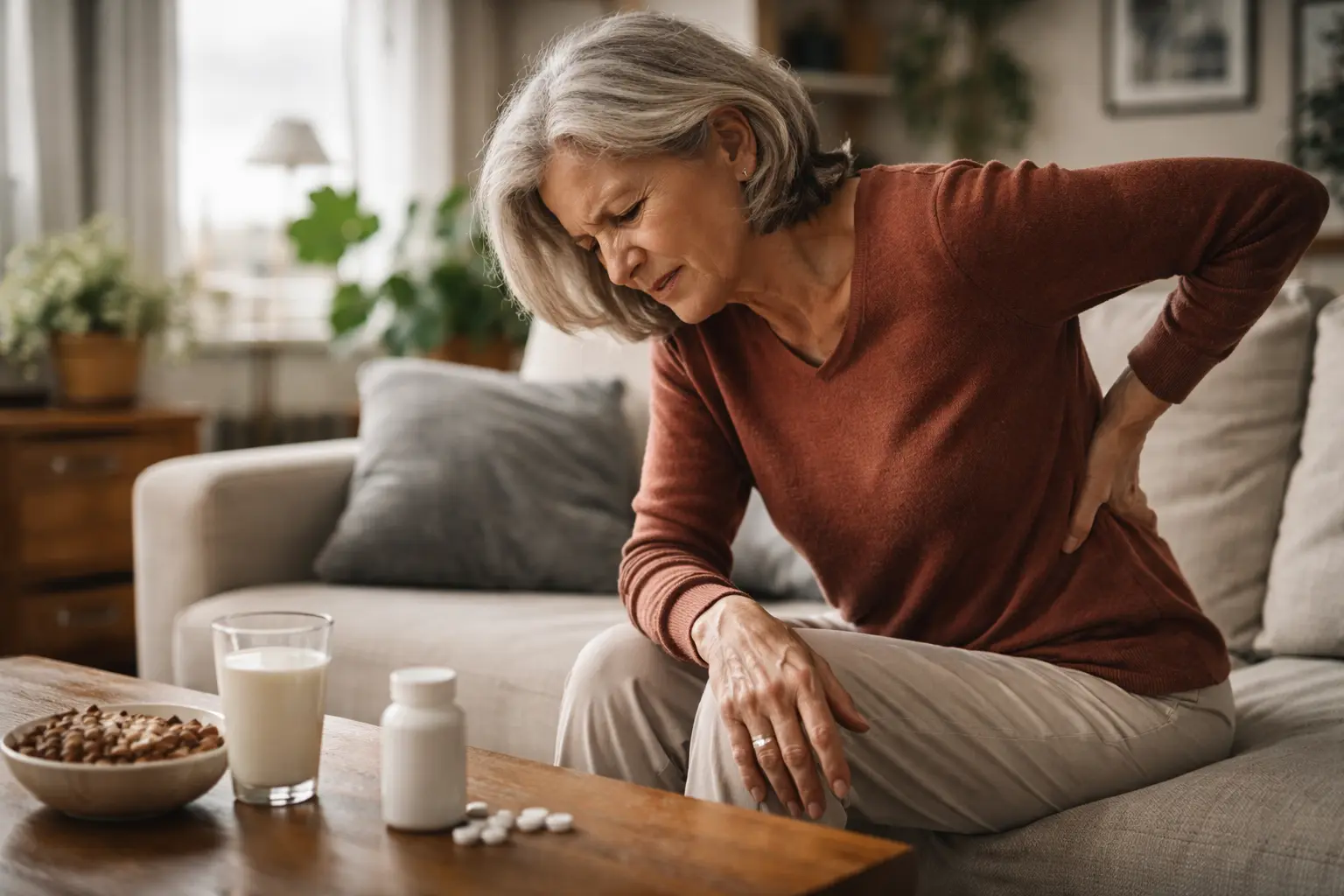
You’re noticing your bones feel more fragile, your posture is shifting, and the thought of a simple fall terrifies you because you know osteoporosis risk factors are stacking against you, so let’s cut through the noise and actually fix this.
Dietary guidelines for bone health
Your bones are living tissue that constantly breaks down and rebuilds, and without the right nutritional foundation, this process falls apart. Calcium is the structural backbone of bone density, but vitamin D is what allows your body to actually absorb and use that calcium. Think of it this way: calcium is the building material, vitamin D is the forklift that delivers it. Many women make the mistake of loading up on calcium supplements while ignoring vitamin D, which means the calcium never reaches where it needs to go. Start by auditing what you eat right now. Are you getting three servings of dairy daily? A single cup of milk provides about 300 milligrams of calcium. If dairy isn’t your thing, leafy greens like kale and collard greens offer solid amounts, though spinach binds calcium so it’s less absorbable. Fortified foods are your secret weapon: one glass of fortified orange juice at breakfast adds 300 milligrams without effort. The goal isn’t perfection but consistency. Women over 50 need 1,200 milligrams daily, and spreading this across meals rather than taking one giant supplement helps your body absorb it better.
- Incorporate dairy products such as milk, cheese, and yogurt into your diet.
- Consume green, leafy vegetables like kale, spinach, and collard greens.
- Opt for foods fortified with vitamin D like cereals, orange juice, and dairy alternatives.
Exercise regimen for strong bones
Bones respond to stress by becoming stronger, which is why sedentary women face significantly higher osteoporosis risk. Weight-bearing exercise forces your bones to work against gravity, triggering them to build density. Walking is accessible but walking alone won’t cut it if you’re already at risk. You need impact and resistance. Jogging, dancing, or step aerobics creates the kind of stress that signals your bones to strengthen. Resistance training is equally critical: lifting weights or using resistance bands directly stimulates bone-forming cells. A practical routine might look like this: three days weekly of weight-bearing cardio like brisk walking or dancing for 30 minutes, plus two days of resistance work targeting major muscle groups. Many women skip the resistance component thinking cardio is enough, but bone responds most powerfully to resistance. Start where you are. If you’ve been sedentary, begin with bodyweight exercises or light dumbbells and progress gradually. Consistency matters more than intensity. Even 20 minutes most days beats sporadic intense sessions.
📘 Fix your day in under 2 minuteschoose where to begin:
Monitoring hormonal balance
Estrogen is your bones’ best friend, and menopause is when that friendship ends abruptly. During the menopausal transition, estrogen levels plummet, and bone loss accelerates dramatically. Some women lose 10 percent of bone density in the first five years after menopause. This isn’t just aging; it’s a hormonal shift that demands attention. Tracking your symptoms matters: hot flashes, night sweats, irregular periods, and mood changes signal that your estrogen is dropping. This is the moment to talk with your healthcare provider about bone health specifically, not just general menopause management. Hormone replacement therapy (HRT) is one option that can slow bone loss, but it’s not right for everyone and requires careful consideration of personal risk factors. Other women benefit from bone-specific medications like bisphosphonates. The key is not waiting until you have a fracture to address this. If you’re approaching menopause or in the thick of it, schedule a conversation with your doctor about bone health screening and what support makes sense for your individual situation.
Lifestyle modifications for bone health
Smoking and alcohol are bone killers, plain and simple. Smoking reduces estrogen levels and directly impairs bone formation, while heavy alcohol consumption interferes with calcium absorption and damages bone-forming cells. If you smoke, quitting is the single most impactful change you can make for your bones. Alcohol doesn’t mean you can never have wine, but more than one drink daily for women starts damaging bone health. Beyond avoiding these habits, sleep quality matters more than most women realize. Bone remodeling happens partly during sleep, so chronic poor sleep accelerates bone loss. Aim for seven to nine hours nightly. Stress management also plays a role: chronic stress elevates cortisol, which breaks down bone. Consider what stress-reduction practices work for you, whether that’s walking, meditation, yoga, or time with friends. Caffeine in moderate amounts is fine, but excessive caffeine can increase calcium excretion, so watch your intake if you’re drinking multiple cups of coffee daily. These modifications sound simple because they are, but consistency is where most women stumble.
Regular bone density tests
You can’t manage what you don’t measure, and bone loss happens silently without symptoms until a fracture occurs. A bone density test, called a DEXA scan, takes about 10 minutes and uses minimal radiation to measure how dense your bones are. It produces a score called a T-score that tells you whether your bone density is normal, low (osteopenia), or critically low (osteoporosis). This number is your baseline. Without it, you’re flying blind. Women over 65 should have regular screening, but if you have risk factors like early menopause, family history, or low body weight, you might need testing earlier. The test is painless and non-invasive. Once you have your baseline, you know whether your current diet and exercise routine is working or whether you need to adjust. Some women discover they’re already in the osteoporosis range and can start treatment immediately, preventing fractures. Others learn they’re fine but need to maintain their habits. Either way, knowledge changes behavior. Schedule your first test and then follow your doctor’s recommendation for follow-up frequency, typically every two years if you have risk factors.
Proactively managing osteoporosis risk factors through dietary adjustments, exercise routines, hormonal balance, lifestyle modifications, and regular bone density tests is key to maintaining optimal bone health.
How often should I get a bone density test?
It’s recommended to have a bone density test every 2 years, especially if you have risk factors for osteoporosis or are postmenopausal.
Can osteoporosis be prevented?
While osteoporosis cannot be completely prevented, lifestyle changes and early detection can help manage the condition effectively and reduce the risk of fractures.
Others also read:
Disclaimer: This article is for informational purposes only and is not a substitute for professional medical advice. Always consult a healthcare professional for personal guidance.
This guide has been prepared and reviewed by the GlobalHealthBeacon editorial team and reflects current medical research as of 2026. It provides structured, evidence-based information to support informed health decisions.
